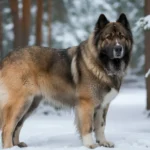
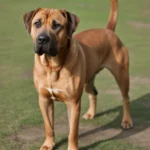
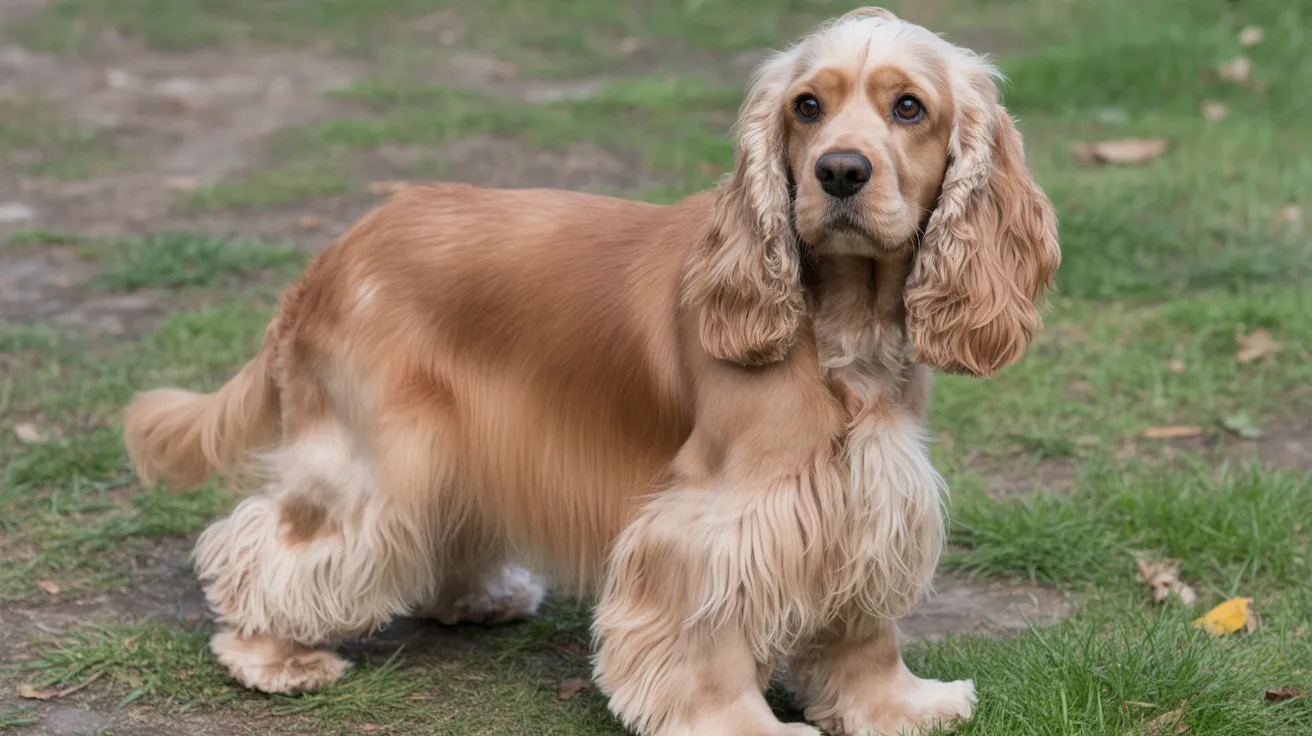
If you’ve ever come across a massive, fluffy guardian dog and wondered what is a Russian Bear Dog, you’re not alone. This powerful breed—often linked with the Caucasian Shepherd—has gained attention for its bear-like appearance, fearless nature, and deep loyalty to its family. As a pet expert who has worked with large guardian breeds for years, I’ve seen firsthand that the Russian Bear Dog is not just about size or intimidation—it’s about responsibility, understanding, and the right environment.
Content
What Is a Russian Bear Dog?
The term Russian Bear Dog is commonly used to describe the Caucasian Shepherd Dog, a livestock guardian breed developed in the Caucasus region of Russia, Georgia, Armenia, and surrounding areas. Historically, these dogs protected livestock from predators like wolves and bears—hence the name.
Unlike many modern companion breeds, the Russian Bear Dog was bred with a clear purpose: protection and independence. This background explains many of its behavioral traits today, including strong territorial instincts and natural suspicion of strangers.
Russian Bear Dog Size and Physical Appearance
One of the first questions people ask is: how big does a Russian Bear Dog get?
Size and Weight
Male height: 27–30 inches
Female height: 25–28 inches
Weight range: 100–170+ pounds
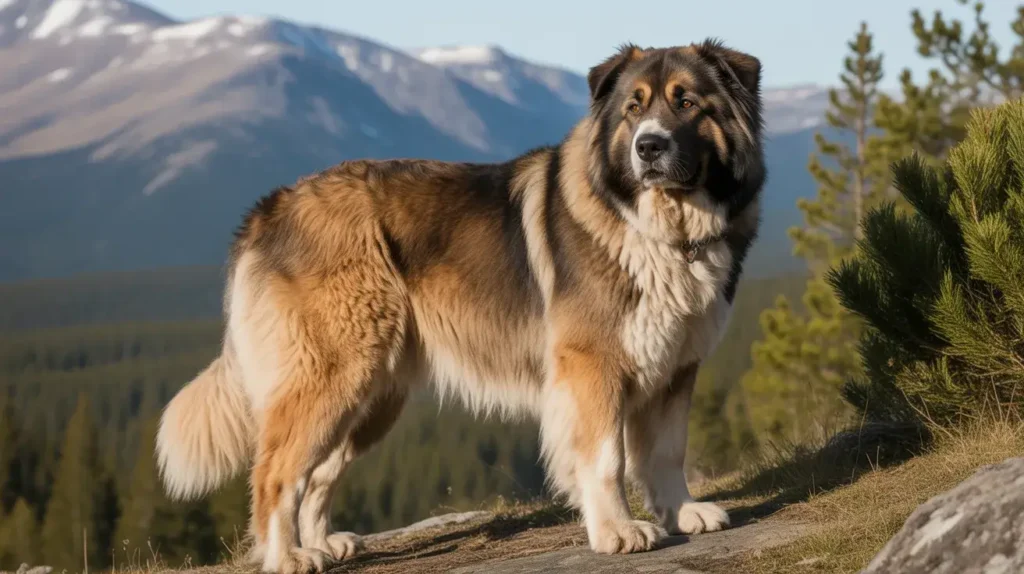
This is a truly giant breed, with a thick bone structure and muscular build. Their large head, powerful jaws, and deep chest give them a commanding presence.
Coat and Colors
Russian Bear Dogs have a dense double coat designed to withstand harsh winters. Coat types range from medium to long, with common colors including:
Gray
Fawn
Brindle
White
Cream with markings
Their heavy coat contributes to their “bear-like” look—but also means grooming is not optional.
Russian Bear Dog Temperament and Personality
Understanding Russian Bear Dog temperament is crucial before considering ownership.
Natural Traits
Extremely loyal to their family
Highly protective and territorial
Independent thinkers
Calm and confident rather than hyperactive
These dogs are not aggressive without reason, but they are naturally defensive. This often leads to the common question: is Russian Bear Dog dangerous?
Are They Dangerous?
A Russian Bear Dog is not inherently dangerous, but it can become a serious risk in the wrong hands. Poor training, lack of socialization, or inexperienced ownership can lead to behavioral issues. With the right guidance, structure, and respect, they are stable and reliable guardians.
From my own experience, owners who treat this breed like a casual family pet often struggle. Those who understand working dogs—and provide leadership—tend to succeed.
Real-Life Case Study: Life With a Russian Bear Dog
One of my former clients, Mark, owned a small rural property in Montana. He adopted a Russian Bear Dog named Koda to help protect his land and livestock.
At first, Koda was distant and stubborn. Mark made the mistake of being too lenient, assuming affection alone would build trust. After consulting a professional trainer, Mark implemented structured routines, boundary training, and controlled socialization.
Within six months:
Koda became calm and responsive
He bonded deeply with Mark’s family
Wildlife intrusion on the property dropped dramatically
The key lesson? Russian Bear Dogs thrive with clear leadership and purpose. They don’t just want affection—they want direction.
Training and Socialization Needs
Training a Russian Bear Dog is less about obedience tricks and more about respect and consistency.
Training Tips
Start training early (puppy stage is critical)
Use calm, firm commands—never harsh punishment
Focus on leash control and recall
Prioritize socialization with people and environments
Because of their independence, first-time dog owners may find this breed overwhelming. This is not a dog that blindly follows commands—it evaluates them.
Health and Lifespan
The Russian Bear Dog lifespan typically ranges from 10 to 12 years, which is standard for giant breeds.
Common Health Concerns
Hip and elbow dysplasia
Obesity (if overfed)
Heart issues
Joint stress due to size
Regular vet checkups, controlled feeding, and proper exercise go a long way in maintaining health.
Feeding and Nutrition
Feeding a dog of this size is a long-term commitment.
Diet Guidelines
High-quality, large-breed dog food
Controlled portions to prevent rapid weight gain
Protein-rich diet with joint supplements
Avoid free-feeding
An adult Russian Bear Dog can consume a significant amount of food daily, so budgeting for nutrition is essential.
Grooming and Shedding
Russian Bear Dogs are heavy shedders, especially during seasonal coat changes.
Grooming Requirements
Brush 2–3 times per week
Daily brushing during shedding seasons
Regular nail trimming
Occasional baths (not too frequent)
While grooming can be time-consuming, it also helps strengthen the bond between dog and owner.
Living Environment and Family Compatibility
Ideal Living Conditions
Large, fenced property
Rural or semi-rural environment
Experienced dog owner
Clear boundaries and routines
With Children and Other Pets
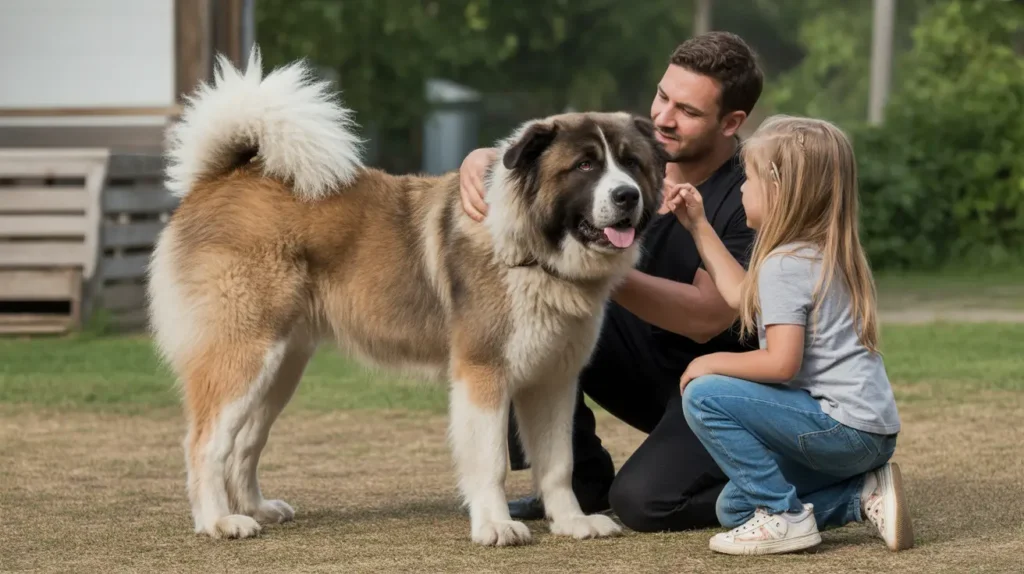
When raised properly, Russian Bear Dogs can coexist with children, but supervision is essential due to their size and strength. They may not tolerate unfamiliar animals without proper introduction.
Is the Russian Bear Dog Right for You?
Before bringing one home, ask yourself:
Do I have experience with large or guardian breeds?
Can I commit time to training and socialization?
Do I have enough space?
Am I prepared for a strong-willed dog?
If the answer is yes, the Russian Bear Dog can be an incredibly loyal and dependable companion.
Final Thoughts
The Russian Bear Dog is not a trendy pet—it’s a working guardian with deep instincts. When understood and respected, this breed offers unmatched loyalty, protection, and presence. But ownership requires patience, structure, and experience.
If you’re looking for a gentle, easygoing dog for apartment living, this isn’t the right choice. But if you value strength, intelligence, and a dog that takes its role seriously, the Russian Bear Dog may be exactly what you’re looking for.
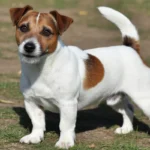
If you’re interested in smaller, energetic breeds, check out our complete guide on the Jack Russell Dog.
FAQs
How big does a Russian bear dog get?
It can reach 27–30 inches tall and weigh 100–170+ pounds, making it a true giant guardian breed.
What is the Russian bear dog breed for?
They was developed to guard livestock and property against predators like wolves and bears.
Are Russian bear dogs good family pets?
They can be good family pets for experienced owners who provide training, structure, and early socialization.
What is another name for a Russian bear dog?
Another name for a Russian Bear Dog is the Caucasian Shepherd Dog, also known as Caucasian Ovcharka.