If you’ve ever met an Oriental Shorthair, you already know they’re not your typical quiet house cat. They’re chatty, expressive, athletic, and loyal to the point where they might remind you more of a little shadow than a feline. As someone who has worked with many cat breeds over the years, I can confidently say that the Oriental Shorthair cat breed is one of the most interactive, people-oriented cats you’ll ever encounter.
This guide covers everything you need to know—from their personality and lifespan to grooming, diet, training, and real-life experiences from owners who adore them.
Content
History: The Roots of the Oriental Shorthair
The Oriental Shorthair traces its ancestry back to Thailand and is closely related to the Siamese. Breeders wanted the Siamese body type but with a wider variety of coat colors and patterns. This led to the development of a breed with the same elegant features but an incredible range of almost 300 coat varieties. Their popularity soon spread to Europe and North America, where they became known for their sleek appearance and bold personalities.
Breed Standard: Appearance, Size & Lifespan
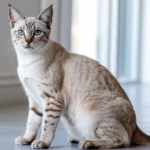
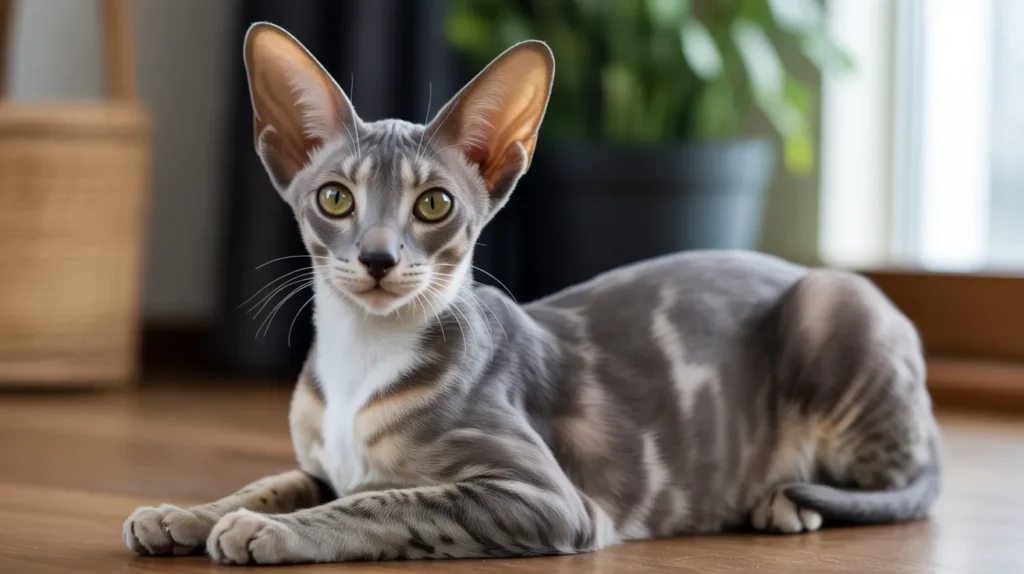
The Oriental Shorthair’s build is graceful and athletic—slender legs, long body, wedge-shaped head, and those iconic oversized ears. Their eyes are almond-shaped, expressive, and often bright green.
Typical Breed Characteristics:
- Weight: 6–12 pounds
- Body Type: Long, sleek, and muscular
- Coat: Short, smooth, and low-maintenance
- Colors/Patterns: Hundreds, including solid, tabby, smoke, bicolor, and more
- Average Lifespan: 12–15+ years with proper care
Their long lifespan is one reason potential owners love them, but like all pets, they require proper attention to thrive. This is where understanding Oriental Shorthair cat lifespan and health tips becomes important.
Personality Traits of Oriental Shorthair Cats
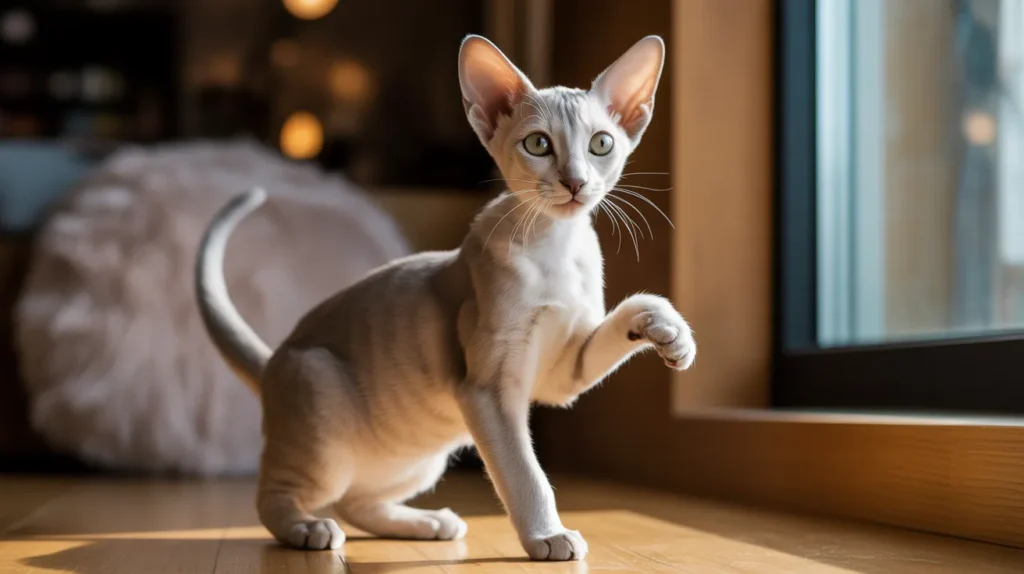
If you want a quiet, independent cat who keeps to themselves, this isn’t the breed for you. The Oriental Shorthair temperament is closer to that of a social butterfly.
Key Personality Traits:
- Highly affectionate: They bond closely with their humans.
- Talkative: Expect lots of chirps, trills, and conversations.
- Energetic: These cats love running, climbing, and exploring.
- People-oriented: They dislike being left alone too long.
- Intelligent: They can learn tricks, solve puzzles, and recognize routines.
Many owners describe them as “forever kittens” because of their playful nature. Their emotional sensitivity also makes them excellent companions for families, couples, and even single owners who spend ample time at home.
Read Also: Maine Coon Cat
Real-Life Case Study: Luna, the Velcro Cat
A friend of mine adopted a young Oriental Shorthair named Luna. Within a week, Luna had learned her owner’s daily patterns—waking up, lunchtime, working hours, and even Zoom calls.
Whenever Luna sensed her owner feeling stressed, she would curl up beside her laptop and let out soft trills. Her playful nature also meant she would bring toys to initiate games multiple times a day. The best part? Luna learned to walk on a harness within three days, showing how smart the breed truly is.
This real-life example perfectly illustrates the personality traits of Oriental Shorthair cats—affectionate, intelligent, and deeply connected to their humans.
Ideal Living Environment
Oriental Shorthairs thrive in environments where they can interact, explore, and stay mentally stimulated.
They do best with:
- Homes where someone is around most of the day
- Cat trees and high perches
- Interactive toys and puzzle feeders
- Other pets—they often love companionship
- Safe outdoor time (harness walks or enclosed patios)
If left alone for long periods, they may develop anxiety or destructive behavior, so companionship—human or animal—is important.
How to Care for an Oriental Shorthair Cat
Even though their coat is short, they still require full-body care. Knowing how to care for an Oriental Shorthair cat ensures they stay healthy, clean, and comfortable.
Grooming & Maintenance
Thanks to their sleek coat, Oriental Shorthair grooming is relatively easy:
- Weekly brushing to remove loose hair
- Regular nail trimming
- Ear cleaning, especially since their large ears collect debris
- Routine dental care to prevent gum disease
Their minimal shedding makes them suitable for people who prefer cleaner homes, though they’re not hypoallergenic.
Diet and Nutrition
Like all active cat breeds, Orientals require high-quality, protein-rich diets.
Feeding Tips:
- Choose foods where the first ingredient is animal protein
- Avoid heavy fillers like corn and wheat
- Offer a mix of wet and dry food for hydration and dental health
- Use puzzle feeders to keep them mentally stimulated
Owners often ask about the best food for Oriental Shorthair cats, and while there’s no single perfect brand, look for formulas designed for active, lean breeds.
Training and Behavioral Tips
This breed is incredibly smart—meaning they learn fast but can also get bored easily.
Training Ideas:
- Litter box training (usually effortless)
- Harness training for outdoor walks
- Teaching commands like sit, fetch, or come
- Redirecting scratching behavior to posts
Many owners wonder how to train an Oriental Shorthair kitten, and the answer is simple: positive reinforcement and consistency. Their eagerness to bond makes training enjoyable for both cat and owner.
Common Health Issues & Lifespan Tips
While generally healthy, the breed may be prone to:
- Respiratory issues
- Dental disease
- Heart conditions (in some lines)
- Gastrointestinal sensitivity
To support a long, happy life, make sure you:
- Schedule yearly vet checkups
- Keep vaccinations and dental cleanings up to date
- Provide a balanced diet
- Maintain a stress-free environment
Following these Oriental Shorthair cat lifespan and health tips can help your cat live beyond 15 years.
Is the Oriental Shorthair Right for You?
This breed is ideal for:
- Owners wanting an affectionate, vocal cat
- Families who appreciate energetic pets
- People who can spend time interacting daily
- Multi-pet homes
- Owners who enjoy training and enrichment activities
It may not be ideal if you want a low-energy or independent cat.
Final Thoughts
The Oriental Shorthair is not just a cat—it’s a dynamic, loving companion with a big personality. Their intelligence, loyalty, and emotional sensitivity make them stand out in the feline world. If you want a cat who feels like a best friend, shadow, and entertainer all in one, this breed might be the perfect match.
Looking for a fluffy, family-friendly breed? Check out our complete guide on the Siberian Cat.
FAQs
How much does an Oriental Shorthair cat cost?
It costs $800–$3,000, depending on breeder, pedigree, age, and color rarity.
What are the cons of Oriental Shorthair cats?
The cons of Oriental-Shorthair cats include high energy, strong attachment, and needing daily interaction, which may overwhelm busy owners.
Are Oriental cats high maintenance?
Oriental cats aren’t high maintenance with grooming, but they need attention, mental stimulation, and companionship to stay happy.
Do Oriental Shorthair cats meow a lot?
Yes, Oriental cats meow a lot because they are vocal, expressive, and enjoy communicating with their owners.