Orange tabby cats are among the most beloved feline companions worldwide. Their striking fur, playful personalities, and affectionate nature make them a favorite in households and shelters alike. Whether you’re a first-time cat owner or an experienced pet parent, understanding the unique traits of orange tabby cats is essential for providing the best care and building a strong bond with your furry friend.
In this guide, we’ll dive deep into everything from personality traits and nutrition tips to grooming, behavior, and even real-life experiences that highlight the joys and challenges of raising an orange tabby cat.
Content
Understanding the Unique Traits of Orange Tabby Cats
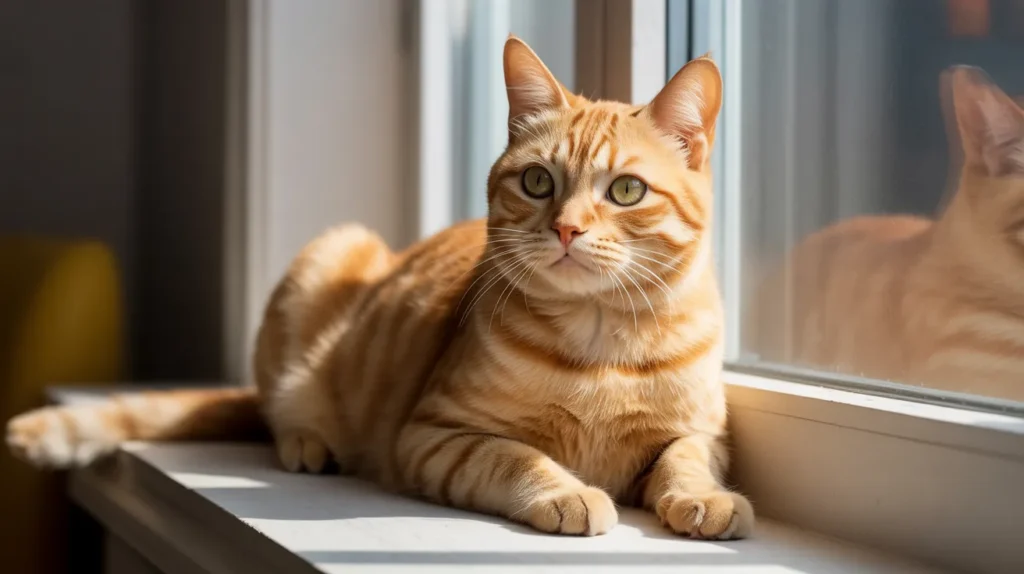
One of the first things you’ll notice about an orange tabby cat is their distinctive coat pattern. Orange tabbies typically have a warm, ginger hue with stripes or spots that vary in intensity and shape. Male orange tabbies are more common than females due to genetics, which often surprises new cat owners.
Personality Traits Orange Tabby Cats are known for their friendly and social disposition. Many owners report that these cats are affectionate, curious, and enjoy spending time with humans. They are also playful and intelligent, often finding creative ways to entertain themselves, whether through toys or interacting with their environment.
Real-Life Example: Take Milo, a male orange tabby adopted from a local shelter. Milo quickly became the center of attention in his family. He loved following his owner around the house, greeting guests, and even learned to fetch his favorite toy mouse. Milo’s behavior perfectly illustrates the affectionate and intelligent nature typical of orange tabby cats.
Nutrition and Health Care Tips
Proper nutrition is the cornerstone of a healthy orange tabby cat. A balanced diet ensures they maintain an ideal weight, have a glossy coat, and avoid common health issues.
Feeding Tips for Orange Tabby Cats
Provide high-quality protein sources such as chicken, fish, or turkey.
Incorporate wet and dry food to maintain hydration and dental health.
Monitor portion sizes to prevent obesity, which is common in sedentary indoor cats.
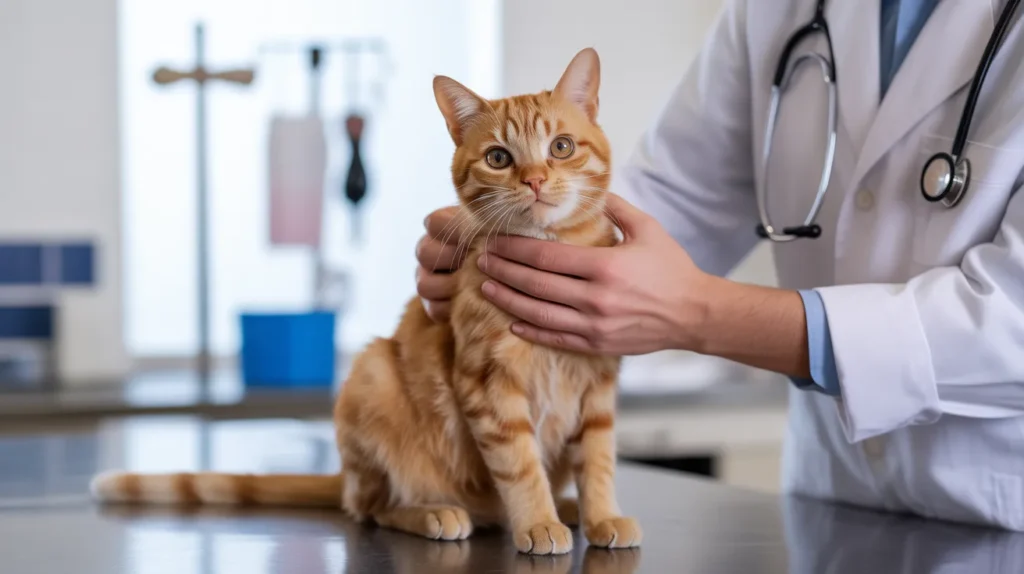
Health Check Essentials Routine veterinary visits are crucial. Vaccinations, flea prevention, and regular dental care help prevent illnesses. Orange tabby cats can also be prone to certain genetic conditions, so discussing a care plan with your vet is advisable.
Long-Term Care: Consider supplements or specialized diets if your cat shows signs of joint pain or digestive issues. Regular exercise and mental stimulation also contribute significantly to their overall well-being.
Orange tabby cats are naturally social creatures. While they enjoy cuddling with their owners, they also need interactive play and opportunities to explore.
Activity Ideas
Puzzle feeders that challenge their minds.
Cat trees or climbing shelves for indoor adventures.
Regular play sessions with toys like feathers, balls, or laser pointers.
Socialization Tips
Introduce them gradually to new people and pets.
Provide safe spaces for them to retreat when feeling overwhelmed.
Reward positive interactions with treats or gentle praise.
Case Study: Milo, the orange tabby we mentioned earlier, thrived when his family installed a small indoor climbing tower and engaged him in daily play sessions. His energy levels decreased, destructive behaviors vanished, and his bond with his family grew stronger.
Grooming and Environmental Enrichment
Maintaining a clean and stimulating environment is crucial for orange tabby cats. Regular grooming keeps their coat shiny and reduces shedding, while environmental enrichment prevents boredom.
Grooming Tips
Brush their fur 2–3 times a week to remove loose hairs and prevent mats.
Check ears, eyes, and teeth regularly for any signs of infection or discomfort.
Bathe only when necessary, as most cats groom themselves efficiently.
Enrichment Ideas
Provide scratching posts and cozy beds.
Rotate toys weekly to keep them engaging.
Create safe outdoor experiences using enclosed patios or cat harnesses.
Common Behavioral Patterns of Orange Tabby Cats
Orange tabby cats are intelligent, curious, and often develop strong preferences for routines and favorite people. Understanding their behavior can prevent frustration and ensure a happy, healthy relationship.
Key Behavioral Observations
They may follow their owners from room to room, seeking companionship.
Many enjoy vocal communication, ranging from gentle chirps to expressive meows.
They can be playful well into adulthood, so maintaining engagement is critical.
Conclusion
Orange tabby cats are more than just beautiful pets—they are intelligent, affectionate, and full of personality. From nutrition and exercise to grooming and socialization, proper care ensures that these cats thrive in any environment. Real-life experiences, like Milo’s journey, remind us that understanding your orange tabby cat’s unique traits can lead to a deeper bond and countless joyful moments.
By following these tips and incorporating a balance of nutrition, activity, and affection, every owner can enjoy the full charm of an orange tabby cat while ensuring a long, healthy, and happy life for their beloved companion.
Learn more about the charming and striking Fluffy Tuxedo Cat in our guide, covering personality, care tips, and grooming essentials.
FAQs
What is so special about orange tabby cats?
They are friendly, playful, and affectionate, known for their striking ginger coats and charming personalities.
Are orange tabby cats rare?
They are common, especially males, thanks to unique genetics that give them their vibrant color.
Do orange cats have different personalities?
Yes, they are often outgoing, social, and curious, though personality varies by individual.
What is the lifespan of an orange cat?
They typically live 12–16 years with proper care, nutrition, and regular vet checkups.