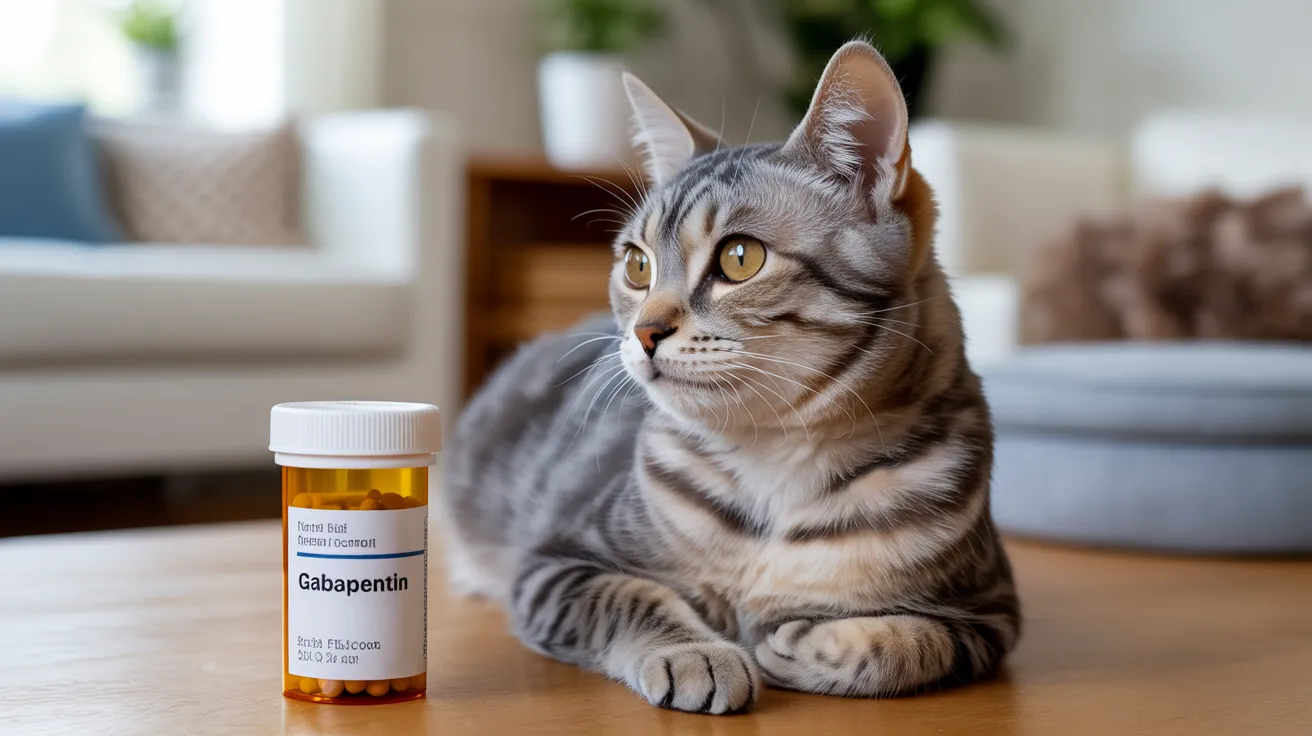
The Norwegian Forest Cat is one of the most majestic and resilient cat breeds in the world. Known for their luxurious long coats, expressive almond-shaped eyes, and playful yet independent personalities, these cats are adored by cat enthusiasts everywhere. But beyond their striking appearance, they have unique traits and care needs that every potential owner should know. In this guide, we’ll explore everything about the Norwegian Forest Cat—from personality and behavior to grooming, health, and real-life experiences.
Content
Breed Overview
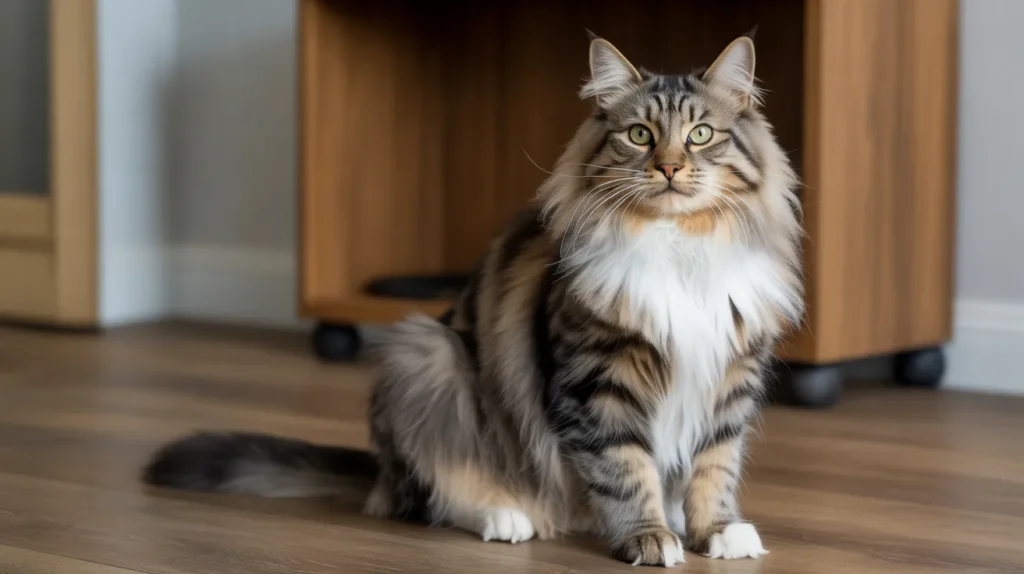
The Norwegian Forest Cat, often affectionately called “Wegies”, is a naturally occurring breed originating from the forests of Norway. These cats are adapted to harsh, cold climates, which is why they possess a thick, water-resistant double coat and bushy tail.
Ideal Home: Families, active singles, or households with other pets
Their natural agility and climbing skills make them excellent hunters and explorers, so it’s important to provide them with vertical space indoors, such as cat trees or shelves.
Appearance and Coat Care
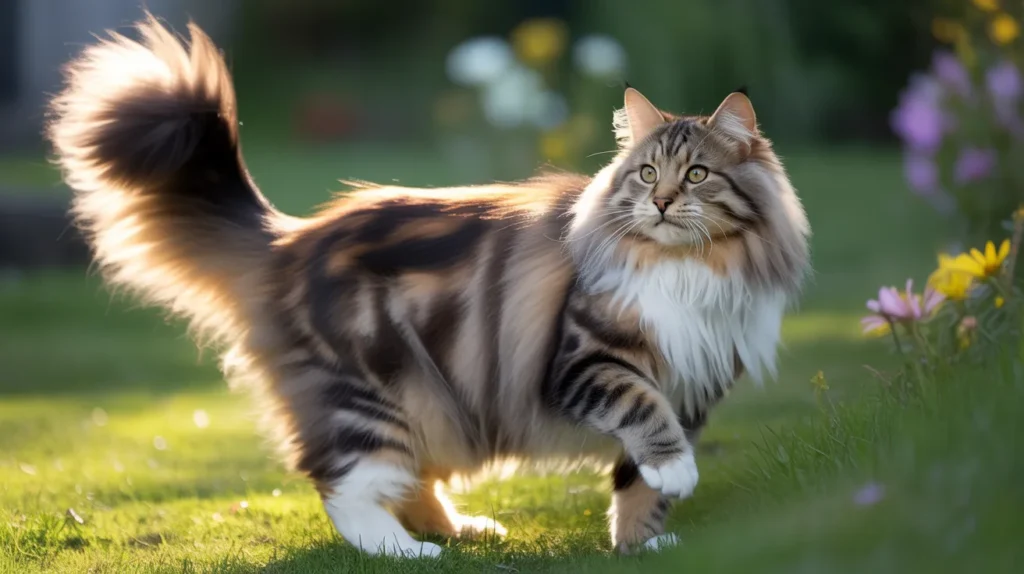
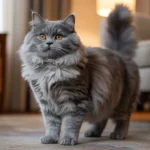
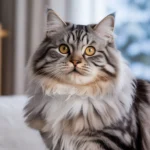
The Norwegian Forest’s long, luxurious coat is one of its defining features. This breed has a double coat with a woolly undercoat and a glossy outer coat that repels water. Their bushy tail and ruff around the neck are especially prominent in colder months.
Grooming Tips:
Brush at least 2–3 times per week to prevent mats and tangles.
During seasonal shedding, daily brushing may be necessary.
Regularly check the ears and trim nails to maintain overall health.
Occasional baths are fine, but their coat is mostly self-cleaning.
Fun Fact: The breed’s coat allows them to tolerate cold temperatures better than many other domestic cats, making them natural explorers for outdoor environments when safe.
Norwegian Forest Cat Personality and Behavior
One of the most fascinating aspects of this breed is its personality and temperament. Norwegian Forest Cats are friendly and social but maintain a streak of independence. They enjoy spending time with their human companions, yet they often prefer observing from nearby rather than demanding constant attention.
These cats are:
Intelligent: They can learn tricks, enjoy interactive toys, and solve puzzles.
Curious: Norwegian Forest Cats love exploring new spaces, both indoors and outdoors.
Gentle: While playful, they’re known for their calm nature around children and other pets.
Vocal: They may communicate with soft chirps or meows, but they are not excessively noisy.
Real-Life Example: Emma, a cat lover from Seattle, adopted a Norwegian Forest Cat named Loki two years ago. She noticed that while Loki loved to curl up near her on the couch, he rarely sat on her lap—true to the breed’s independent personality. Loki also loved climbing and jumping, which encouraged Emma to install multiple cat shelves in her apartment. Loki’s intelligence made puzzle feeders a daily favorite, keeping him both mentally and physically active.
Norwegian Forest Cats are generally healthy, but like all breeds, they are prone to some specific health issues. Regular vet check-ups and a proper diet are crucial.
Common Health Concerns:
Hypertrophic Cardiomyopathy (HCM): A heart condition found in some cats.
Hip Dysplasia: Can affect mobility in larger cats.
Glycogen Storage Disease Type IV (GSD IV): Rare, genetic disorder affecting kittens.
Most Norwegian Forest Cats live 14–16 years, with some reaching their late teens when properly cared for. Early socialization, regular grooming, and preventive health care can significantly improve their quality of life.
How to Care
Caring for a Norwegian Forest Cat involves a combination of nutrition, exercise, and mental stimulation.
Diet and Nutrition:
Provide a high-quality cat food rich in protein.
Include both wet and dry food for a balanced diet.
Avoid overfeeding, as these cats can gain weight if not active enough.
Exercise and Play:
Provide climbing structures and scratching posts.
Use puzzle feeders to engage their intelligence.
Encourage play sessions to prevent boredom and maintain fitness.
Environment:
Norwegian Forest Cats enjoy safe outdoor exploration, like catios or secure yards.
They thrive in households that offer interaction, vertical space, and enrichment.
Tip: If you live in an apartment, invest in tall cat trees or shelves—these cats love high vantage points and climbing.
Things to Know Before Getting a Norwegian Forest Cat
This breed is ideal for families, singles, or multi-pet households, but prospective owners should keep a few things in mind:
They require regular grooming due to their dense coat.
Norwegian Forest Cats are intelligent but independent, so they may not always seek constant attention.
They enjoy climbing and exploring, so your home should be cat-friendly.
Early socialization is key for a well-adjusted, friendly cat.
Cost & Adoption: Prices for kittens from reputable breeders range from $800 to $1,500. Adoption from shelters is a great alternative, and there are breed-specific rescue organizations.
Real-Life Case Study: Loki the Explorer
Emma’s Loki is a perfect example of how a Norwegian Forest Cat’s traits come alive in a home setting. Loki’s love for climbing and problem-solving made it necessary for Emma to adapt her apartment with vertical spaces and puzzle toys. Despite his playful energy, Loki is affectionate in his own way, often curling up nearby without being clingy.
Through consistent grooming, regular vet check-ups, and interactive play, Loki remains healthy, happy, and well-adjusted—showing how attentive care can enhance the life of a Norwegian Forest Cat.
Conclusion
The Norwegian Forest Cat is a beautiful, intelligent, and independent breed with a personality that balances playfulness and gentle affection. Their luxurious coat, climbing skills, and resilient nature make them stand out among other breeds. With proper care, nutrition, and attention to grooming, these cats thrive in loving households and bring years of companionship.
Whether you are considering adopting a kitten or bringing an adult Norwegian Forest Cat into your home, understanding their personality, health needs, and care requirements will ensure a happy, fulfilling relationship for both you and your furry friend.
To discover more about this vocal and affectionate breed, check out our complete guide on the Siamese Cat, including personality traits, care tips, and lifespan details.
FAQs
Which is larger, a Maine Coon or a Norwegian Forest cat?
Maine Coons are generally larger than Norwegian Forest cats in size and weight.
What are the disadvantages of a Norwegian forest cat?
They need regular grooming and lots of attention, and can be independent or shy.
Did the Vikings have Norwegian Forest cats?
Yes, they are believed to have been companions of Vikings for centuries.
Is a Norwegian forest cat a good pet?
Yes, they are affectionate, playful, and good for families with proper care.