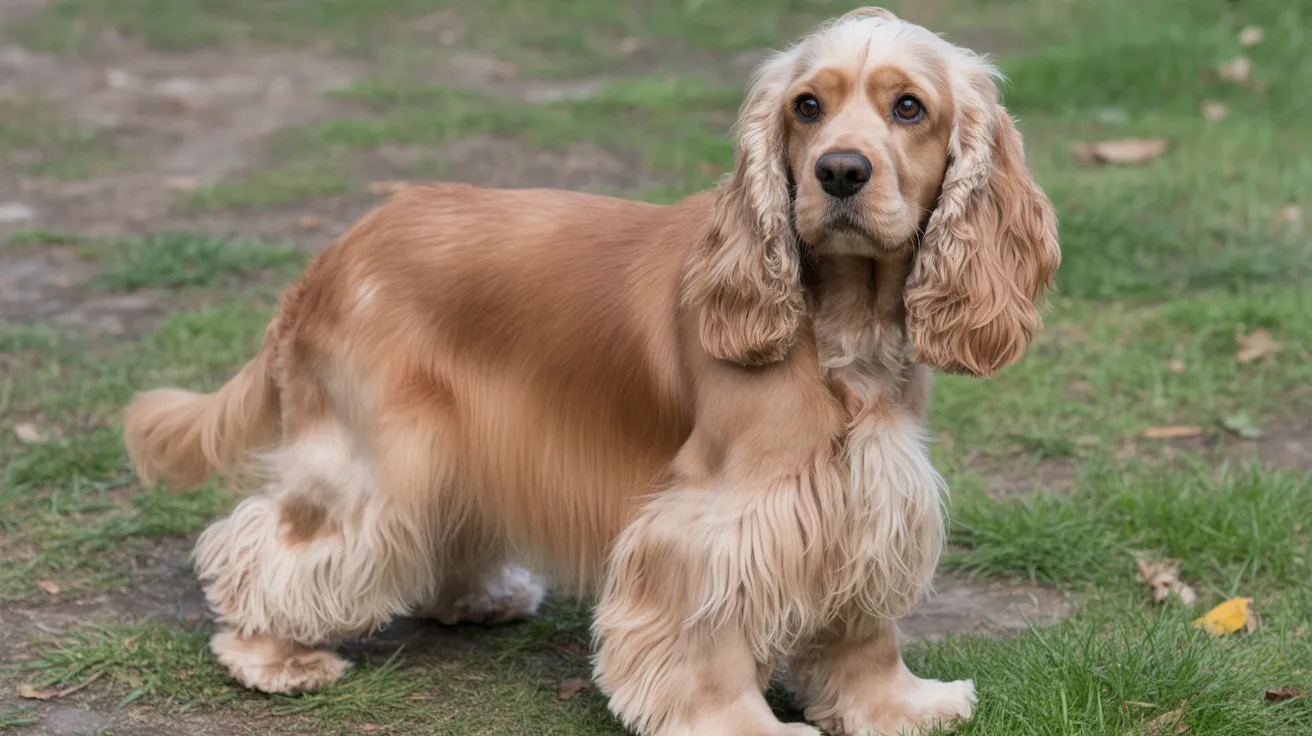
The Jack Russell Terrier is a lively, intelligent, and spirited breed that has captured the hearts of dog lovers worldwide. Known for its boundless energy, playful personality, and keen hunting instincts, this small dog packs a lot of personality into a compact body. But while these terriers are adorable, they require proper care, training, and attention to thrive in a home environment.
If you’re considering adding a Jack Russell Terrier to your family, or already have one, it’s essential to understand their personality, growth, and care needs. In this guide, we’ll explore everything from their temperament to diet, grooming, exercise, and training — including a real-life case study of a Jack Russell Terrier to help you see these tips in action.
Content
Jack Russell Terrier Overview
History and Origin
The Jack Russell Terrier was originally bred in England in the early 19th century for fox hunting. The breed’s creators wanted a dog that was intelligent, agile, and fearless, able to follow foxes into their dens. Over time, the breed became popular not just as a hunting companion, but also as a lively family pet, thanks to its friendly and engaging personality.
Physical Characteristics and Size
Jack Russells are small dogs, typically weighing 13–17 pounds and standing about 10–15 inches tall at the shoulder. They have a muscular, compact body built for speed and endurance. Their coat can be smooth, rough, or broken, with common color patterns including white with black, tan, or brown markings.
Lifespan and Health
These terriers are known for their longevity, often living 13–16 years with proper care. Like all breeds, they are prone to certain health issues, including patellar luxation, deafness, and eye problems. Regular vet checkups and preventive care can help your dog live a long, healthy life.
Jack Russell Terrier Personality and Temperament
One of the most defining features of a Jack Russell Terrier is its personality. They are highly intelligent, curious, and energetic, which makes them fun but sometimes challenging to manage.
Energy Level: Extremely high; requires daily physical and mental exercise.
Intelligence: Quick learners, often mastering tricks and commands in a few sessions.
Sociability: Generally friendly but can be assertive with other dogs.
Playfulness: Loves interactive play, toys, and activities that challenge their mind.
Real-Life Case Study: Meet Max, a 3-year-old Jack Russell Terrier from Texas. Max’s owners noticed he became destructive when left alone for long periods, chewing furniture and digging in the yard. After consulting a trainer, they implemented a daily routine of 45 minutes of outdoor play, 30 minutes of interactive puzzle games, and obedience training sessions. Max’s behavior improved drastically, and he is now a happy, well-adjusted family dog. This shows how mental stimulation and structured routines are essential for Jack Russells.
Training a Jack Russell Terrier puppy requires consistency, patience, and positive reinforcement. These dogs are intelligent but can be stubborn, so a firm but gentle approach works best.
Start Early: Begin training as soon as you bring your puppy home.
Short Sessions: Keep sessions under 15 minutes to maintain focus.
Positive Reinforcement: Use treats, praise, and playtime as rewards.
Basic Commands: Sit, stay, come, and leave it are essential for safety.
Advanced Training Tips
Once your Jack Russell masters basic obedience, introduce mental challenges like puzzle feeders, scent games, and agility training. These activities help prevent boredom and behavioral problems.
Diet and Nutrition
Best Food for Jack Russell Terrier Dogs
A balanced diet is crucial for maintaining energy, health, and coat quality. Look for high-quality dog foods rich in protein, moderate in fat, and low in fillers.
Puppies: Require nutrient-dense puppy food for growth and development.
Adults: Maintain weight and muscle tone with portion-controlled meals.
Avoid Overfeeding: Jack Russells are small but energetic; overfeeding can lead to obesity.
Tip: Rotate protein sources (chicken, lamb, fish) and add occasional vegetables like carrots or pumpkin for fiber.
Exercise and Mental Stimulation
How Much Exercise Does a Jack Russell Terrier Need?
Jack Russells are high-energy dogs that need at least 60–90 minutes of exercise daily. This can include:
Walks or jogs
Fetch or frisbee
Agility courses
Interactive puzzle toys
Mental stimulation is as important as physical activity. Without it, Jack Russells can develop destructive habits or anxiety.
Grooming and Coat Care
Jack Russell Terrier Grooming and Coat Care Guide
Grooming needs vary depending on coat type:
Smooth Coat: Weekly brushing, occasional baths.
Rough/Broken Coat: Regular brushing, hand-stripping to maintain texture.
Ears and Teeth: Clean ears weekly, brush teeth 2–3 times per week.
Nail Care: Trim nails regularly to prevent overgrowth.
Grooming sessions can also be an opportunity for bonding with your pet.
Health and Veterinary Care
Common Health Issues
Jack Russell Terriers are generally healthy but prone to:
Patellar luxation
Deafness in older age
Eye conditions (cataracts, lens luxation)
Dental issues
Regular checkups, vaccinations, and preventive care are essential for longevity.
Keeping Your Dog Healthy
Feed a balanced diet
Ensure daily exercise
Schedule regular vet visits
Monitor behavior and energy levels
Living With a Jack Russell Terrier
Are Jack Russells Good With Kids?
Jack Russells can be excellent family pets if properly socialized. They are playful and energetic, making them great companions for active children. However, their energy level means supervision is important, especially with toddlers.
Apartment Living
These terriers can adapt to apartment living, but high daily activity levels must be met. Access to dog parks or regular outdoor walks is crucial.
Conclusion
The Jack Russell Terrier is a spirited, intelligent, and loving breed that thrives in active households. Understanding their personality, care needs, and training requirements is key to a happy and healthy life together.
Whether it’s teaching a puppy basic commands, providing mental stimulation for an energetic adult, or ensuring proper diet and grooming, this breed rewards owners who put in the time and effort.
If you love small dogs with big personalities, explore our detailed guide on the Pembroke Welsh Corgi to learn about its temperament, care needs, and lifestyle fit.
FAQs
What is the downside of a Jack Russell Terrier?
High energy and stubbornness can be challenging without proper training and exercise.
Is a Jack Russell a good house dog?
Yes, but they need daily exercise and mental stimulation to stay happy indoors.
Do Jack Russells bark a lot?
Yes, they are vocal and alert, often barking to communicate or protect.
Do Jack Russell terriers like to cuddle?
Yes, they enjoy affection but also need activity and space to burn energy.