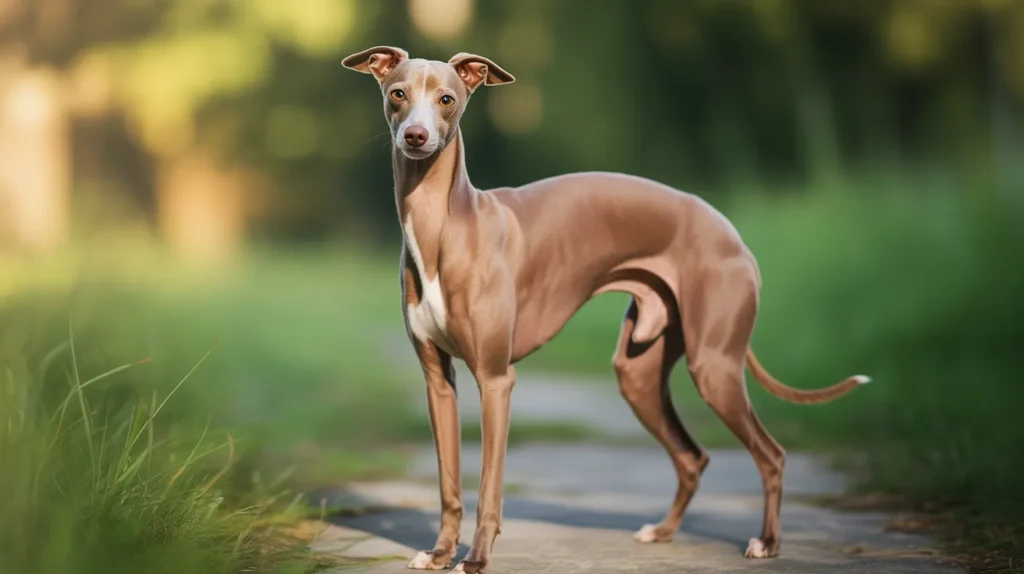
If you’re considering a small, affectionate, and elegant companion, the Italian Greyhound could be the perfect dog for your home. Recognized for their slender legs, long necks, and graceful movement, these charming little dogs are much more than just attractive pets. The Italian Greyhound is known for its loving personality, playful energy, and strong bond with its owners. In this guide, we’ll cover everything you need to know about the Italian Greyhound, including temperament, care requirements, health considerations, and what it’s really like to live with this unique breed.
Content
Quick Facts About Italian Greyhounds
Before diving deeper, here’s a snapshot of this charming breed:
This quick overview gives you a sense of their unique combination of elegance and liveliness.
Health & Lifespan
Italian Greyhounds are generally healthy, but like all breeds, they are prone to certain health issues:
Dental problems due to small mouths
Leg fractures due to delicate bones
Hip dysplasia and patellar luxation in some cases
Case study addition: Emily’s Luna experienced a minor leg fracture during play. Early vet intervention and careful rehabilitation ensured she returned to her energetic self within weeks.
Personality & Temperament
They are known for their gentle and affectionate nature, making them ideal lap dogs and loyal companions. While they enjoy cuddling and human interaction, they also have a playful, energetic side that comes alive during short bursts of running or chasing toys.
One of the most important aspects of the Italian-Greyhound temperament is their sensitivity. Loud noises, harsh training methods, or sudden changes in routine can stress them out. Using positive reinforcement and calm guidance helps build trust and strengthens your bond.
Real-life case study: Emily, a freelance designer in Chicago, shares her experience: “When I first adopted Luna, my 2-year-old Italian Greyhound, I didn’t realize how sensitive she was to loud sounds. It took a few weeks of patient training and consistent routines before she felt completely comfortable. Now, she’s affectionate, playful, and follows me everywhere—she’s the perfect little companion.”
Caring for an Italian Greyhound
Diet and Nutrition
Italian-Greyhounds may be small, but their nutritional needs are significant. A balanced diet rich in protein and essential vitamins supports their high energy levels and keeps their coat healthy. Some owners prefer small, frequent meals to prevent digestive issues.
Opt for high-quality dog food specifically for small breeds
Include occasional treats like lean meats or dog-safe fruits
Avoid overfeeding to prevent obesity
Exercise and Activity Needs
Though small in size, Italian-Greyhounds are fast and energetic. Daily exercise is crucial to prevent boredom and destructive behavior. Short walks, indoor games, and safe off-leash running in fenced areas are perfect ways to channel their energy.
Grooming Tips
With a smooth, short coat, Italian-Greyhounds are relatively low-maintenance. Weekly brushing and occasional baths are sufficient. However, due to their thin skin, they may be prone to cuts and scrapes—so keep their environment safe and check regularly for injuries.
Training Italian-Greyhounds requires patience and consistency. They respond best to positive reinforcement techniques and gentle commands. Socialization with other pets and humans from a young age helps prevent shyness or anxiety.
Italian-Greyhound Puppies
Raising an Italian Greyhound puppy is a rewarding experience, but it requires preparation. Puppies need early socialization, gentle house training, and mental stimulation. Because of their sensitive nature, harsh discipline can have long-term behavioral consequences.
Introduce them gradually to new environments and sounds
Establish a consistent feeding and play schedule
Provide chew toys to support teething
Living Conditions
Italian Greyhounds thrive in homes where they feel safe and loved. They can adapt well to apartments if given adequate exercise and mental stimulation. They are not ideal for families that leave dogs alone for long periods, as separation anxiety can develop.
Conclusion
Italian Greyhounds are more than just delicate, elegant dogs—they’re loyal, affectionate companions who bring joy, energy, and grace to any home. By understanding their personality, care needs, and health considerations, prospective owners can provide a loving environment where these tiny greyhounds thrive.
If you’re looking for a small, energetic, and loving dog that fits well into both apartment and family life, the Italian Greyhound is a breed worth considering. With patience, proper training, and consistent care, they make lifelong companions who leave an indelible mark on your heart.
If you’re exploring other high-energy working breeds, check out our detailed guide on the Belgian Malinois to learn about its temperament, training needs, and care requirements.
FAQs
Is an Italian Greyhound a good pet?
Yes, they are affectionate, loyal, and great companions for families or singles.
What does an Italian Greyhound cost?
They typically cost between $800–$3,000 depending on breeder and lineage.
Do Italian Greyhounds bark a lot?
They are generally quiet dogs and do not bark excessively.
Do Italian Greyhounds shed?
They have short coats and shed very little, making grooming easy.