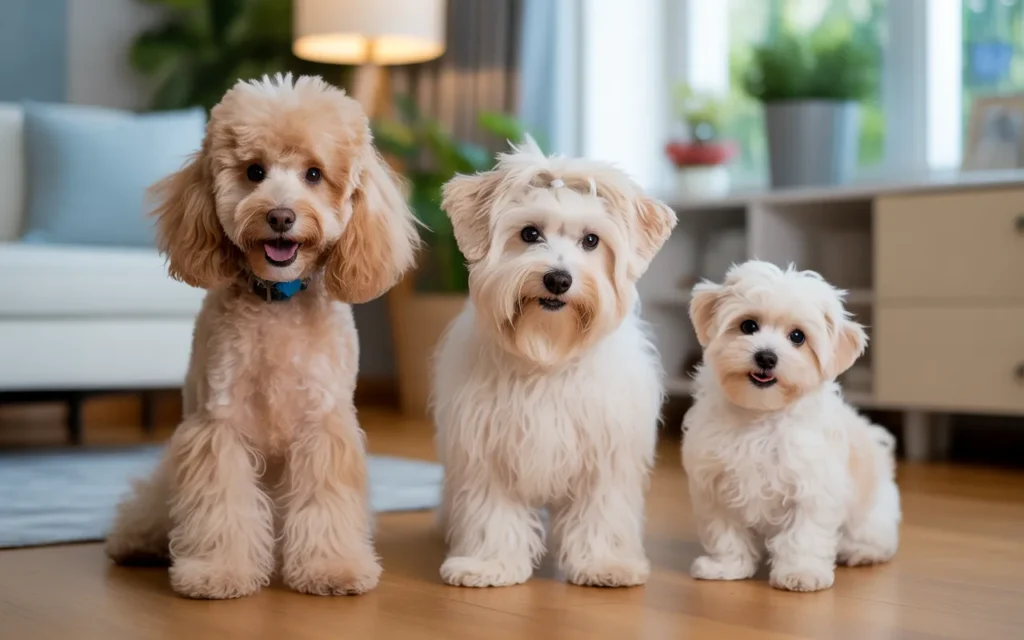
If you or someone in your family suffers from pet allergies, the thought of adding a furry friend to your home might seem intimidating. But don’t worry—there’s hope! Hypoallergenic dogs are a fantastic option for allergy sufferers, offering companionship without the overwhelming allergic reactions caused by some breeds. As an experienced pet expert, I’ve guided many families in choosing the right allergy-friendly dog breeds, and today, I’ll share insights, real-life experiences, and practical tips to make your search easier.
Content
What Are Hypoallergenic Dogs?
Before diving into the breeds, it’s essential to understand what “hypoallergenic” actually means. A hypoallergenic dog doesn’t cause zero allergies. Instead, these dogs produce fewer allergens than typical dogs, making them more manageable for people with sensitivities.
Allergens primarily come from dog dander, saliva, and urine, not just their fur. This is why even low-shedding dogs can sometimes trigger mild allergic reactions. That said, hypoallergenic breeds are generally safer for those prone to allergies, as they shed less and release fewer allergens into your home environment.
Are Hypoallergenic Dogs Completely Allergy-Free?
It’s a common misconception that these dogs are entirely allergy-free. In reality, no dog is completely allergen-free. People may react differently depending on the dog, their own sensitivity, and environmental factors like cleaning habits and home ventilation.
However, hypoallergenic breeds significantly reduce the chances of an allergic reaction. For families with children, first-time dog owners, or anyone sensitive to pets, these breeds are often the safest choice.
Best Hypoallergenic Dog Breeds for Allergy Sufferers
Here’s a guide to some of the best hypoallergenic dogs for families and individuals, categorized by size for convenience.
Small and Compact Breeds
Bichon Frise With a soft, curly coat, the Bichon Frise hardly sheds, making it an excellent choice for apartments or homes with allergy sufferers. Their playful personality makes them ideal for families with kids.
Maltese Gentle and affectionate, Maltese dogs are low-shedding and adapt well to small spaces. Their long coat requires regular grooming but is relatively easy on allergies if maintained properly.
Miniature Schnauzer Energetic and intelligent, the Miniature Schnauzer has a wiry coat that traps loose hairs, minimizing allergens. They are social dogs who thrive on attention and training.
Medium-Sized Breeds
Portuguese Water Dog Famous for their curly, non-shedding coats, Portuguese Water Dogs are perfect for active families who love outdoor adventures. They are intelligent, trainable, and hypoallergenic.
Soft-Coated Wheaten Terrier With a silky, low-shedding coat, Wheaten Terriers are affectionate and loyal. They enjoy social interactions and are generally gentle with children.
Lagotto Romagnolo Known as excellent truffle hunters, Lagottos have curly coats that produce minimal dander. They are friendly, smart, and adaptable, making them great family pets.
Large Breeds
Poodle (Standard) Standard Poodles are not only hypoallergenic but also extremely intelligent. Their curly coat traps dander, reducing allergen spread. They require regular grooming but reward owners with loyalty and affection.
Irish Water Spaniel Athletic and alert, Irish Water Spaniels have dense curly coats that minimize shedding. They are friendly with families and make excellent companions for outdoor activities.
Choosing a hypoallergenic breed has several advantages:
Reduced Allergens: Fewer allergy triggers mean more comfort for sensitive family members.
Family-Friendly: Many hypoallergenic breeds are gentle, playful, and patient with children.
Less Cleaning Hassle: With minimal shedding, you spend less time cleaning fur off furniture and clothing.
Suitable for Apartments: Many small hypoallergenic breeds thrive in limited spaces.
Real-Life Case Study: The Smith Family
The Smiths, a family of four in Boston, struggled with pet allergies. Their 8-year-old daughter, Lily, was especially sensitive, sneezing and developing rashes around most dogs. After consulting a veterinarian and pet expert, they decided on a Bichon Frise.
Within weeks, the Smiths noticed a dramatic difference. Lily was able to play and cuddle with their new dog without frequent allergic reactions. They also adopted regular grooming routines, washing the dog’s coat and using HEPA filters at home. Today, their Bichon is a beloved family member, and Lily enjoys daily walks and playtime without discomfort.
This real-life example highlights that, with the right breed and care, allergy sufferers can successfully have dogs in their homes.
Tips for Choosing and Caring for Hypoallergenic Dogs
Even hypoallergenic dogs need proper care to remain low-allergen:
Regular Grooming: Brushing 2-3 times per week and regular baths reduce dander.
Vacuum and Clean Frequently: Use HEPA-filter vacuums to minimize allergens in your home.
Create Dog-Free Zones: Keep bedrooms and areas with sensitive family members free of pets.
Wash Bedding and Toys: Regularly clean anything your dog frequently touches.
Consider Diet and Health: Healthy dogs produce fewer skin flakes, reducing allergens.
Common Myths About Hypoallergenic Dogs
Myth 1: They Don’t Shed at All – Reality: Hypoallergenic dogs shed less, but some shedding still occurs.
Myth 2: They Don’t Cause Allergies – Reality: Allergic reactions can still happen but are usually milder.
Myth 3: Any Coat Type Means Hypoallergenic – Reality: Curly or wiry coats trap allergens better, but coat type alone doesn’t guarantee allergy safety.
Final Thoughts
Choosing a hypoallergenic dog doesn’t mean sacrificing companionship or fun. With careful selection, proper care, and awareness of allergens, you can enjoy a loving, allergy-friendly dog in your home. Whether it’s a small hypoallergenic dog for apartments, a medium breed for an active family, or a larger curly-coated companion, there’s a dog to suit your lifestyle.
Remember the Smiths’ story: with the right preparation, hypoallergenic dogs can truly become cherished family members—without the allergy hassles.
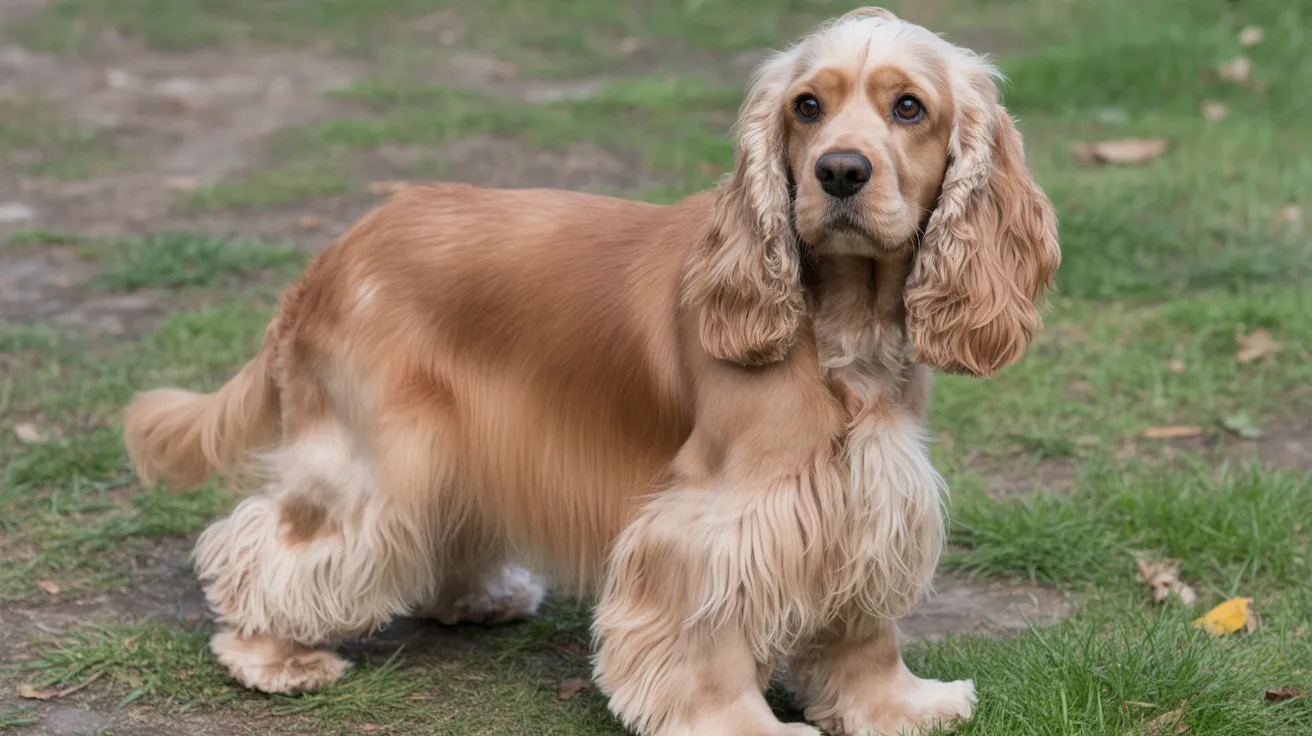
If you’re looking for a charming and affectionate companion, explore our guide on the King Charles Spaniel to learn about its personality, care, and grooming needs.
FAQs
Which is the most hypoallergenic dog?
Poodles are often considered the most hypoallergenic dogs thanks to their low-shedding curly coats that trap dander.
Is a Goldendoodle hypoallergenic?
Goldendoodles are low-shedding and can be hypoallergenic, but allergen levels vary depending on coat type and genetics.
Do hypoallergenic dogs need special grooming?
Yes. Regular brushing and baths help reduce dander and keep hypoallergenic dogs low-allergen.
Can hypoallergenic dogs still trigger allergies?
Yes. They produce fewer allergens, but sensitive individuals may still experience mild reactions.