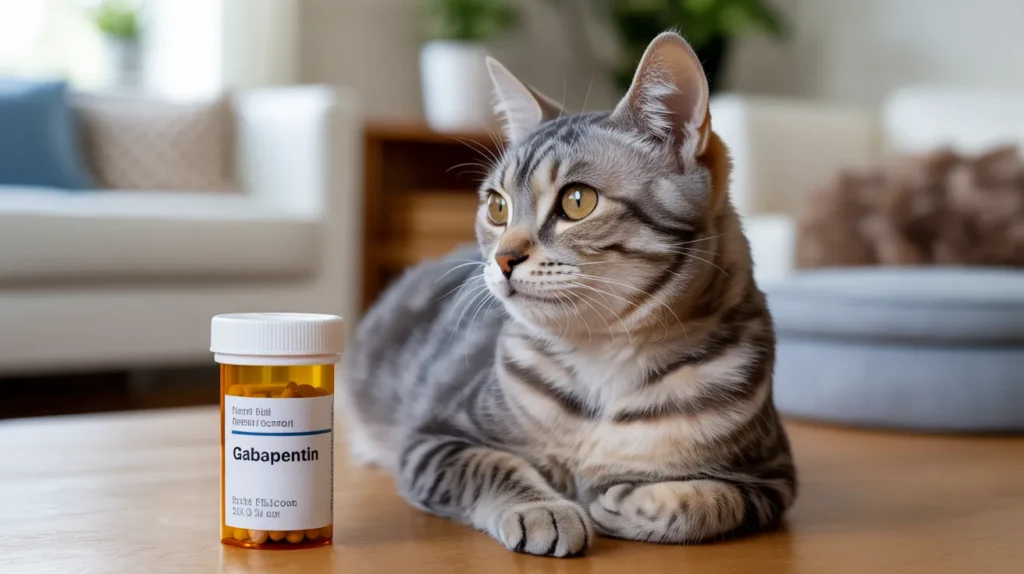
When it comes to managing pain, anxiety, or nerve-related issues in cats, Gabapentin for cats is one of the most recommended medications by veterinarians. For many cat owners, administering medication can seem intimidating, but understanding how Gabapentin for cats works, its proper dosage, and safety precautions can make a huge difference in your feline’s comfort and well-being.
In this guide, we’ll cover everything you need to know about Gabapentin for cats, including its uses, side effects, real-life case studies, and practical tips for safe administration.
Content
What is Gabapentin for Cats and How Does It Work?
Gabapentin for cats is a prescription medication originally developed to treat seizures and nerve pain in humans. Over time, veterinarians discovered that it is highly effective in felines for several reasons:
Pain management: It helps reduce chronic pain caused by arthritis, injuries, or nerve damage.
Anxiety relief: It can calm cats during stressful events like vet visits, grooming, or travel.
Seizure support: In some cases, it helps manage seizures alongside other medications.
Unlike some pain medications, Gabapentin for cats has relatively mild side effects, making it a preferred option for older or sensitive cats. Its calming properties also make it a favorite among cat owners dealing with nervous or anxious pets.
Use Case Example: My neighbor’s 10-year-old Siamese, Milo, would always panic at the vet. With a low dose of Gabapentin for cats the night before the appointment, Milo remained calm and cooperative, making the visit stress-free for everyone.
What is Gabapentin Used For in Cats?
It is versatile and can address several conditions:
Chronic pain: Ideal for cats suffering from arthritis, joint problems, or post-surgical pain.
Anxiety management: Calms cats before stressful situations like car rides or vet visits.
Seizures: Sometimes prescribed as part of a multi-medication seizure management plan.
Practical Insight: My neighbor Jenna used Gabapentin for cats to help her Maine Coon, Whiskers, who had severe arthritis. Within a week of starting the medication, Whiskers began climbing back onto his favorite perch without struggle.
Gabapentin for Cats: Dosage Guidelines
The right Gabapentin dosage depends on weight, age, and the condition being treated. Always follow your veterinarian’s guidance and never adjust the dose on your own.
Typical dosages:
Anxiety: 1–5 mg per pound of body weight
Chronic pain: 5–10 mg per pound, usually divided into two doses per day
Some cats may be more sensitive, requiring lower initial doses. Monitoring your cat’s response is key to safe and effective treatment.
How to Give Gabapentin to a Cat Safely
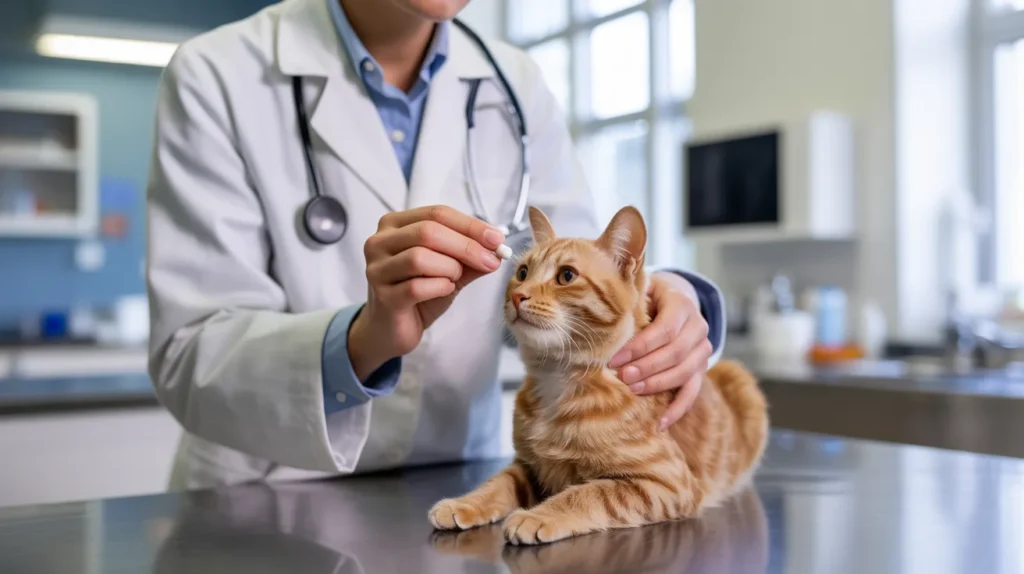
Giving medication to cats can be tricky, but here are safe and effective methods for Gabapentin for cats:
Pill pockets or treats: Hide the capsule inside soft cat treats.
Mix with wet food: Crush the tablet (if safe) and mix it with a small portion of wet food.
Liquid Gabapentin: Use a syringe to administer gently. Tilt the cat’s head back and slowly squirt the dose.
Tip: Consistency is important. Give Gabapentin at the same time each day to maintain steady blood levels.
While generally well-tolerated, Gabapentin for cats may cause some mild side effects, especially during the first few days:
Sleepiness or mild sedation
Slight loss of coordination
Occasional vomiting
Monitoring: Watch your cat closely for any unusual reactions. If severe symptoms appear, contact your veterinarian immediately.
Real-Life Case Study: Whiskers’ Journey With Gabapentin
Whiskers, a 12-year-old Maine Coon, had been struggling with arthritis for years. His owners noticed he avoided climbing and struggled to jump onto his favorite perch. The veterinarian prescribed Gabapentin for cats at a starting dose of 5 mg per pound.
Week 1: Whiskers appeared a little sleepy but started showing increased mobility.
Week 2: He jumped onto furniture comfortably and even started playing again.
Outcome: With Gabapentin for cats, Whiskers regained mobility and a better quality of life without the harsh side effects of stronger pain medications.
This case demonstrates how it can be life-changing when used properly and monitored closely.
Can My Cat Overdose on Gabapentin?
Overdose of Gabapentin for cats is rare but possible, especially if multiple doses are given by mistake. Signs may include:
Severe drowsiness
Incoordination or unsteady movements
Vomiting or diarrhea
Action: If you suspect an overdose, contact your veterinarian or emergency clinic immediately.
How to Store and Handle Gabapentin for Cats
Proper storage ensures the medication remains safe and effective:
Keep in the original container
Store at room temperature, away from light and moisture
Keep out of reach of children and other pets
Additional Tips for Using Gabapentin for Cats
Always follow your veterinarian’s instructions.
Combine medication with other pain management strategies, like joint supplements or gentle physical therapy.
Keep a medication log to track dosing, side effects, and improvements.
Regularly check in with your vet to adjust dosage if needed.
Conclusion
Gabapentin for cats is a versatile and effective option for managing pain, anxiety, and nerve-related conditions. By understanding its uses, proper dosage, safe administration, and potential side effects, cat owners can provide safe, compassionate care that significantly improves their feline’s quality of life.
Real-life examples like Whiskers show the positive impact Gabapentin for cats can have, allowing older or anxious cats to move comfortably, play, and enjoy life again. Always consult your veterinarian before starting any new medication and monitor your cat closely during treatment.
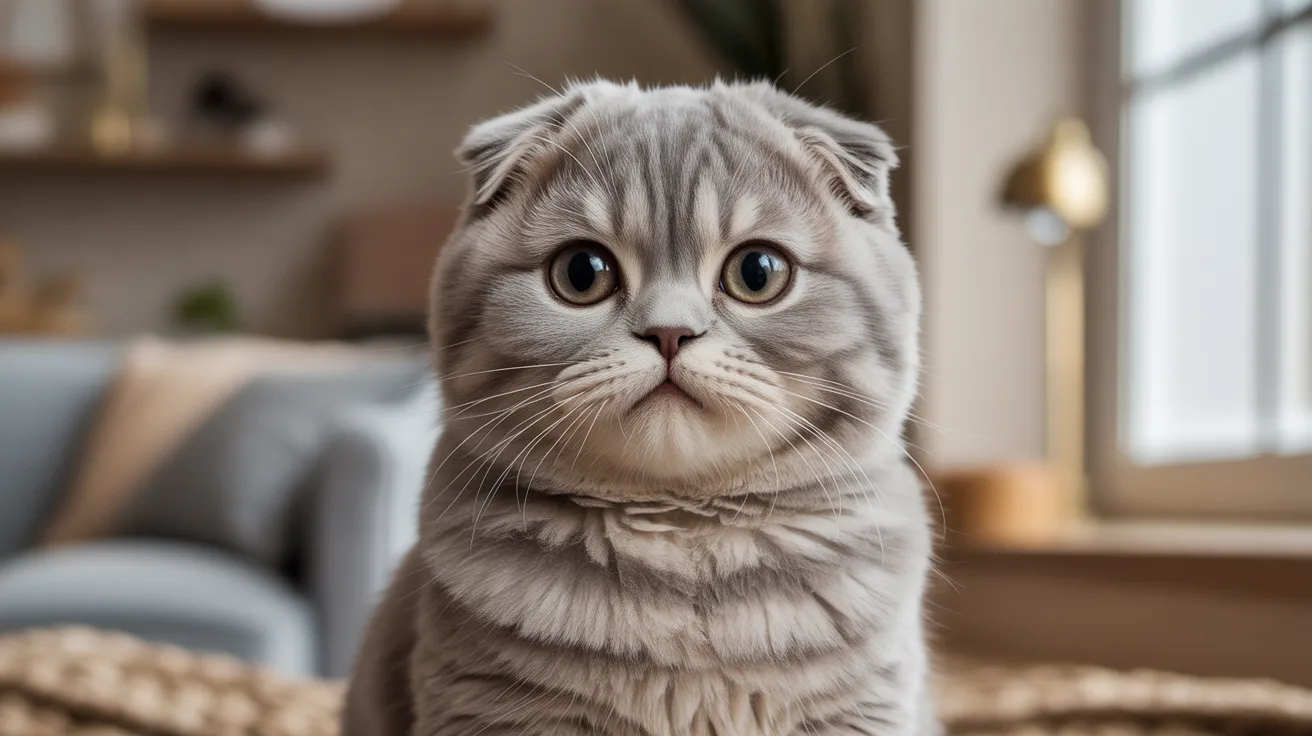
If you’re curious about different types of cats, check out our guide on Fluffy Cat Breeds to find the softest and most adorable companions.
FAQs
What does gabapentin do to cats?
It helps reduce nerve pain, manage anxiety, and support mobility in older or injured cats.
How quickly does gabapentin make cats sleepy?
Cats may feel mild drowsiness within hours of Gabapentin for cats, usually temporary and dose-dependent.
Is it bad to give my cat gabapentin every day?
Daily, it is safe under veterinary guidance, especially for chronic pain or ongoing anxiety.
When not to give gabapentin to cats?
Avoid, if your pet has kidney issues or other medications may interact; always check with a vet.