If you’re an aquarium enthusiast searching for a small, peaceful, and adorable fish, the Panda Cory Catfish might just be your perfect choice. With its distinctive black-and-white coloring and calm temperament, this freshwater catfish has become a favorite among both beginner and experienced aquarists. In this guide, I’ll walk you through everything you need to know about Panda Cory Catfish care, habitat, diet, breeding, and some real-life tips from my own aquarium experience.
Content
What is a Panda Cory Catfish?
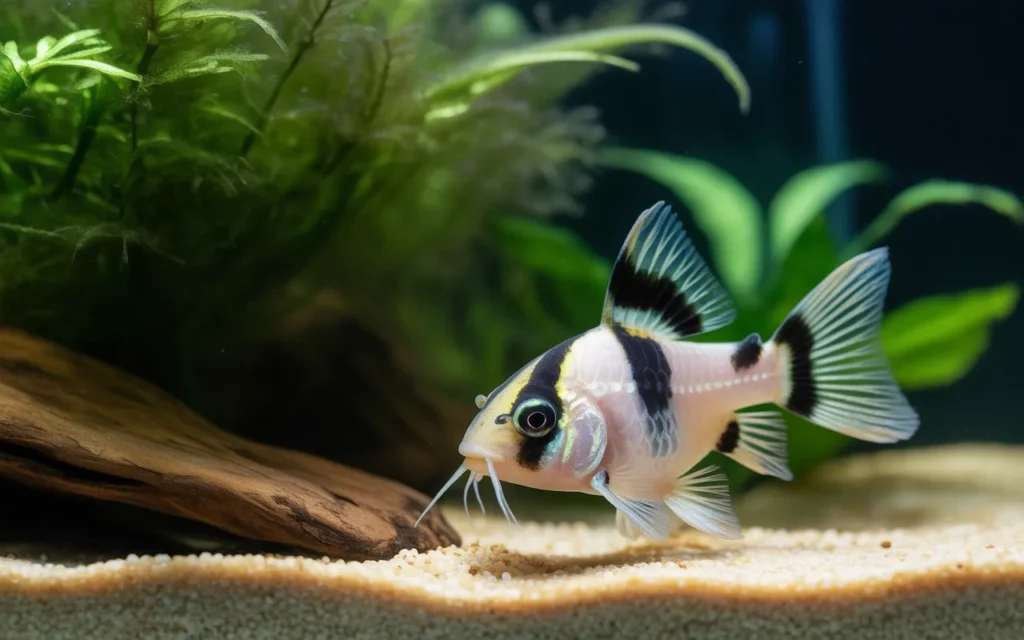
The Panda Cory Catfish, scientifically known as Corydoras panda, is a small, bottom-dwelling freshwater fish native to South America. True to its name, it has a striking black-and-white pattern that resembles a tiny panda. These fish are peaceful, social, and thrive best in community tanks with other non-aggressive species.
Appearance and Behavior
Panda Cory Catfish typically grow to about 2 inches in length, making them ideal for small to medium aquariums. They have a rounded body, a flat underside, and characteristic black patches around the eyes and dorsal fin.
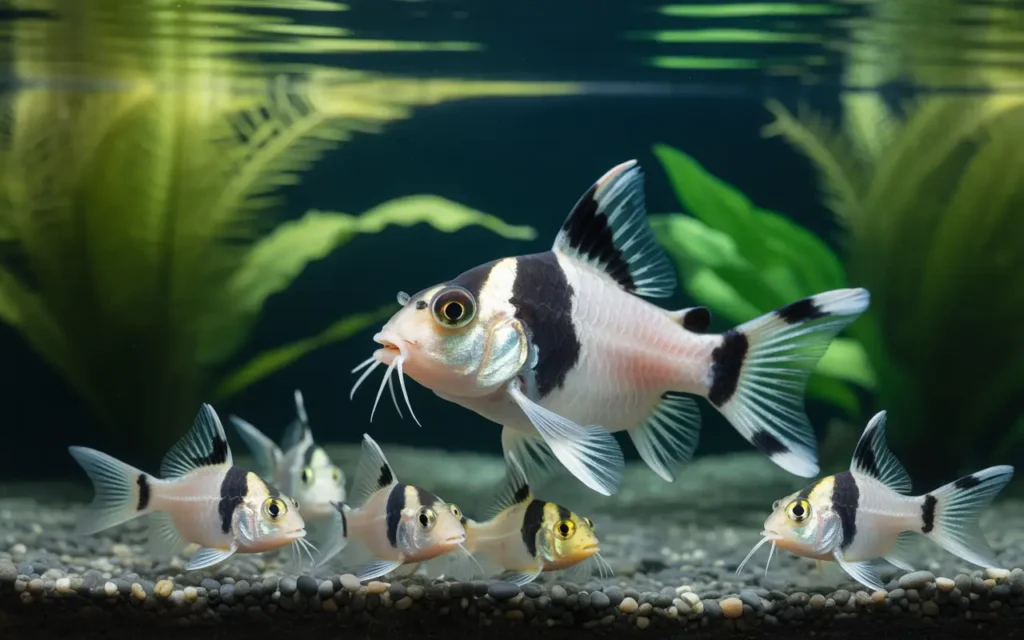
Behavior-wise, Panda Corys are social and active, often seen scavenging at the bottom of the tank for leftover food. They do best in groups of 4–6 or more, as they exhibit more natural behaviors when in a small school.
Ideal Tank Setup for Panda Cory Catfish
Creating the right environment is key for keeping Panda Cory Catfish healthy and happy. Here’s what I recommend based on both research and personal experience:
Tank Size: Minimum of 10 gallons for a small group.
Substrate: Soft sand or smooth gravel to protect their delicate barbels.
Water Conditions:
Temperature: 72–78°F (22–26°C)
pH: 6.0–7.5
Hardness: Soft to moderately hard
Decor: Include live plants, hiding spots, and driftwood to mimic their natural habitat.
Lighting: Moderate lighting works best.
Pro Tip: I once set up a 15-gallon tank with live plants and soft sand for six Panda Corys. Within a week, they were actively exploring every corner of the tank, and their playful interaction with other small community fish was fascinating to watch.
Panda Cory Catfish Lifespan
With proper care, Panda Cory Catfish lifespan ranges from 3 to 5 years, though some aquarists have successfully kept them for up to 6 years in well-maintained tanks. Regular water changes, a balanced diet, and a stress-free environment are key to longevity.
Diet and Feeding Tips
Panda Cory Catfish are omnivorous scavengers. They thrive on a varied diet including:
High-quality sinking pellets
Frozen or live foods (bloodworms, daphnia)
Occasional vegetables like blanched zucchini or cucumber
Feeding Tips: Feed small amounts 1–2 times a day, making sure the food reaches the bottom of the tank where they feed. Overfeeding can lead to poor water quality, which Panda Corys are sensitive to.
Breeding Panda Cory Catfish
Breeding Panda Corys is relatively easy for an experienced aquarist. Here’s a brief overview:
Tank Conditions: Slightly cooler water (70–74°F) and clean, well-oxygenated water.
Spawning: Females lay eggs on plant leaves, tank walls, or decorations.
Egg Care: Remove adults after spawning to prevent them from eating the eggs.
Real-Life Case Study: One of my readers shared that they successfully bred Panda Corys by adding a sponge filter and creating a gentle water current. Within a week, they had over 20 healthy fry, which grew quickly in a nutrient-rich tank.
Common Health Issues
While Panda Cory Catfish are hardy, they can be prone to:
Fin rot due to poor water quality
Barbel erosion from rough substrates
Stress-related diseases from overcrowding
Regular monitoring, proper filtration, and routine water changes prevent most of these issues.
Conclusion
The Panda Cory Catfish is a delightful addition to any freshwater aquarium. Their unique appearance, friendly nature, and manageable care requirements make them a favorite among hobbyists. By providing the right environment, diet, and companionship, you can enjoy watching these charming little fish thrive in your tank.
If you’re ready to add a Panda Cory Catfish to your aquarium, start small, observe their behavior, and enjoy the rewarding experience of keeping one of the most peaceful and engaging bottom-dwellers in the freshwater fish world.
For more expert advice on pet care, visit VIP Pet Care Tips to explore guides, tips, and resources for keeping your furry friends happy and healthy.
FAQs
How big do Panda Cory Catfish get?
They grow up to 2 inches, making them ideal for small to medium freshwater aquariums.
Do Panda Corys clean the tank?
They are bottom-dwellers and eat leftover food but are not a substitute for regular tank cleaning.
How many Panda Corys should I keep together?
Keep at least 4–6 Panda Cory to see their natural social behavior.
What do Panda Corys like to eat?
They eat sinking pellets, live or frozen foods, and occasionally blanched vegetables.