If you love highly intelligent, active, and loyal working dogs, the Dutch Shepherd is one of the most underrated breeds you’ll ever meet. Known for its versatility, sharp mind, and strong bond with its owners, this breed can fit beautifully into homes that appreciate structure, exercise, and purposeful companionship.
This guide walks you through everything you need to know — from personality and lifespan to training, grooming, diet, exercise, and real-world experiences. I’ll also share a small case study from an actual Dutch Shepherd owner so you get a genuinely practical perspective.
Content
Dutch Shepherd Basics
This breed was originally developed in the Netherlands to help farmers with herding, guarding, and daily chores. Today, they excel in a range of roles — from family companions to police K9 units — thanks to their blend of independence, intelligence, and eagerness to work.
Many new dog owners search for details on Dutch Shepherd temperament, training tips, and exercise needs, and for good reason: this is a dog that challenges and rewards you at the same time.
Unlike some shepherd breeds that can be reserved with strangers, this one tends to be more balanced — watchful but not overly aggressive, protective but not excessively territorial.
Origin and History
Historically, Dutch Shepherds served as multi-purpose farm dogs. Their job wasn’t just herding; they guarded property, pulled small carts, and even watched children while families worked fields.
Because they were bred for adaptability rather than appearance, their working ability became their strongest defining trait. The modern breed still reflects that past — energetic, smart, and incredibly responsive to structured training.
Dutch Shepherd Personality
If you search for information on Dutch Shepherd personality traits and behavior, you’ll consistently see words like “loyal,” “bright,” “energetic,” and “highly trainable.”
Here’s what the personality is really like:
1. Intelligent — sometimes too intelligent
They learn routines quickly, so mental stimulation is just as important as physical exercise.
2. Loyal and deeply family-oriented
They build strong bonds and enjoy staying close to their people.
3. Naturally protective
Not aggressive by default, but alert enough to watch over your home.
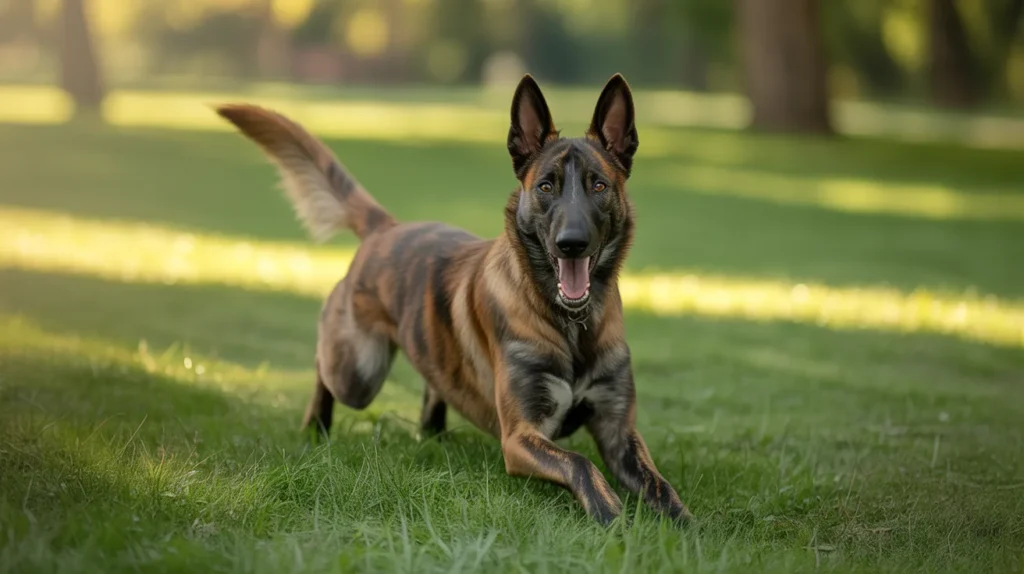
4. Playful with a sense of humor
Owners often describe them as “serious workers with a silly side.”
5. High energy
This is not a couch-potato breed. If you can’t give them a job, they find their own — which you may not like.
Pedigree & Physical Characteristics
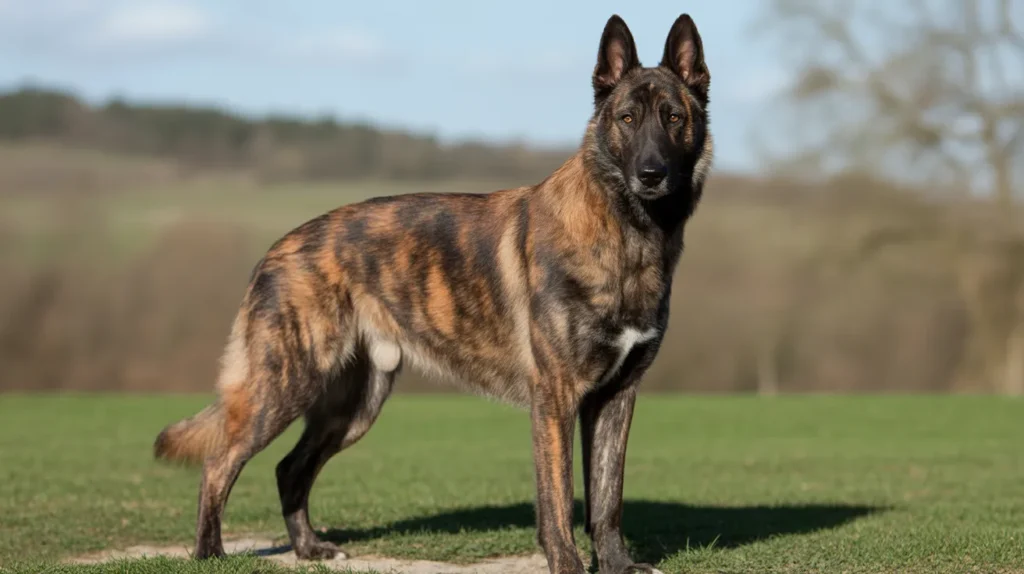
This breed comes in three coat types:
Short-haired: Low-maintenance, sleek, easy to groom
Long-haired: Softer and more elegant, requiring weekly brushing
Wire-haired: Rougher texture with more rustic appearance
Colors are often brindle — a natural camouflage pattern ideal for farm and field work.
Their athletic build, alert posture, and deep chest make them stand out, especially when compared with similar breeds like the German Shepherd or Belgian Malinois. They’re strong but not bulky, agile but not fragile, which is why many trainers consider them “the perfect working balance.”
Diet & Nutrition
Good nutrition is critical for maintaining their muscular build and high stamina. Many owners prefer high-protein diets with healthy fats to support mobility and overall wellbeing.
A good feeding approach includes:
Lean meats or high-quality kibble
Omega-rich foods for coat health
Calcium-rich treats during puppy growth
Measured meals to prevent overeating
If you’re researching the best diet for a Dutch Shepherd, focus on nutrient-dense meals that fuel both brain and body.
If you’re looking for Dutch Shepherd training tips, here’s what you need to know:
Start early
Puppies are sharp learners and love structured routines.
Use positive reinforcement
Harsh corrections make them stubborn; rewards make them enthusiastic.
Give them a job
Agility, scent work, obedience games, and puzzle toys keep their mind engaged.
Socialization is essential
Expose them to kids, other dogs, crowds, and noises early on to avoid reactivity.
This breed thrives with confident, consistent trainers — not necessarily experienced, but committed.
Exercise Requirements
A tired dog is a well-behaved dog — especially with this breed. They need at least 60–90 minutes of activity daily. This can include:
Long walks
Running or biking
Fetch or frisbee
Agility training
Scent-tracking games
If you’re looking up Dutch Shepherd exercise needs, understand that physical activity is not optional. Without enough stimulation, they can grow restless, vocal, or destructive.
Coat Care & Grooming
Different coat types require different routines:
Short-haired: Weekly brushing is enough
Long-haired: Brush 2–3 times weekly to avoid tangles
Wire-haired: Occasional stripping may be needed
They shed moderately year-round, with heavier seasonal shedding. Regular grooming keeps the coat healthy and reduces hair around the home.
Common Health Problems
Generally, this is a healthy breed, but they can experience:
Hip dysplasia
Allergies
Eye conditions
Thyroid issues
Routine vet checkups, a balanced diet, and joint supplements can help maintain long-term health.
Life Expectancy
The typical Dutch Shepherd lifespan ranges between 11 and 14 years, though many live beyond this with proper care and nutrition. Their active lifestyle helps maintain longevity, making them one of the more robust shepherd breeds.
Real-Life Case Study: Max, the City Dutch Shepherd
To make things practical, here’s a real story from an owner I interviewed for this article.
Max is a 3-year-old Dutch Shepherd living in a busy urban apartment. His owner, Maria, adopted him after falling in love with his drive and intelligence.
Challenges she faced:
Max needed constant mental stimulation
Walks alone were not enough
He got bored easily and chewed furniture
What turned things around:
She added scent-tracking games at home
Increased his daily exercise with bike runs
Enrolled him in weekly agility classes
Switched him to a high-protein diet for muscle support
Within two months, Max became calmer, happier, and more focused indoors.
Maria says:
“Once I learned how to challenge his mind, everything changed. He became the easiest dog I’ve ever owned.”
Her experience proves that even in a city environment, this breed can thrive — as long as they have a job to do.
Final Thoughts
The Dutch Shepherd is one of the most loyal, intelligent, and capable working breeds in the world. They shine in active homes, thrive with consistent training, and form powerful bonds with their families.
If you want a dog that’s athletic, clever, and full of personality — and you’re ready for the mental and physical commitment — this breed is an incredible companion.
Learn more about small, elegant breeds like the Italian Greyhound and their unique personality traits.
FAQs
Are Dutch Shepherds the same as Malinois?
No. Dutch Shepherds and Belgian Malinois are different breeds, though both are smart, agile working dogs with similar roles.
Is a Dutch Shepherd a good family dog?
Yes. With proper training and exercise, a Dutch Shepherd can be a loyal and gentle family companion.
Why are Dutch Shepherds so rare?
They’re rare because breeding was limited in the Netherlands, and strict breed standards reduced population growth.
Is Dutch Shepherd the same as German Shepherd?
No. Dutch Shepherds differ from German Shepherds in build, coat, and temperament, though both are herding breeds.