The Domestic Shorthair Cat is one of the most beloved feline companions worldwide. Often called the “moggy” by cat enthusiasts, this breed is admired for its versatility, playful personality, and low-maintenance care needs. Whether you’re a first-time cat owner or an experienced pet parent, understanding the unique traits, personality, and care requirements of a Domestic Shorthair is essential for a happy and healthy relationship.
Content
What is a Domestic Shorthair Cat?
A Domestic Shorthair Cat is not a breed in the traditional sense but rather a classification for cats with short fur and mixed ancestry. These cats can come in nearly any color or pattern, making each one unique. They are often compared to pedigree cats because of their robust health, adaptability, and lovable personality.
Despite the name, Domestic Shorthair Cats are not limited to homes—they can thrive in apartments, suburban houses, or even semi-rural environments. Their versatility makes them ideal for families, singles, and seniors alike.
History of the Domestic Shorthair Cat
The Domestic Shorthair Cat has a long and fascinating history. Descendants of European cats brought to America by settlers, they were prized for their hunting skills and resilience. Unlike purebred cats, Domestic Shorthairs evolved naturally, resulting in strong immune systems and a wide variety of appearances.
A real-life example comes from my experience fostering stray cats in my neighborhood. Many of the kittens I rescued turned out to be Domestic Shorthairs, showcasing incredible adaptability and friendliness even after a rough start in life.
Appearance and Characteristics
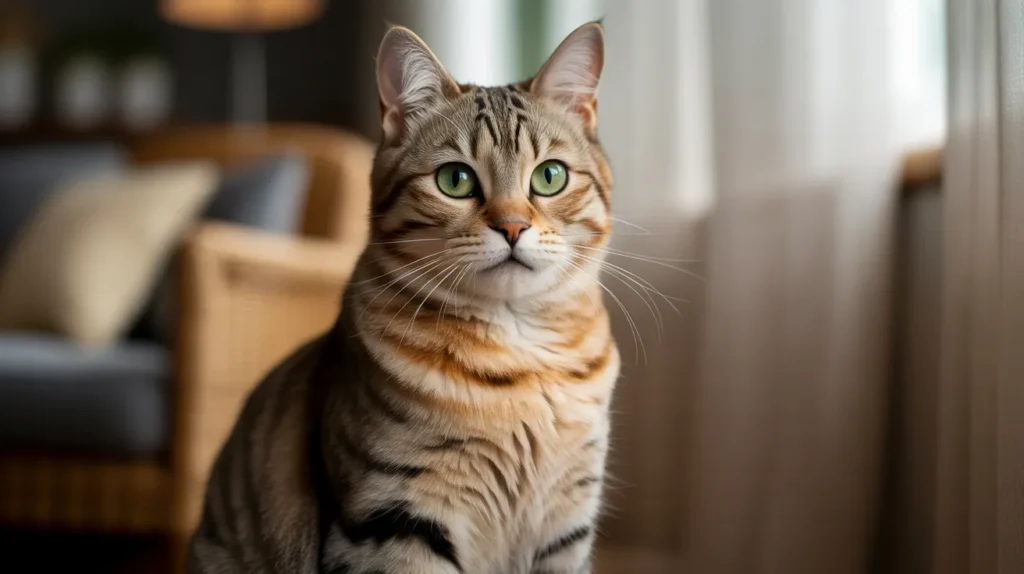
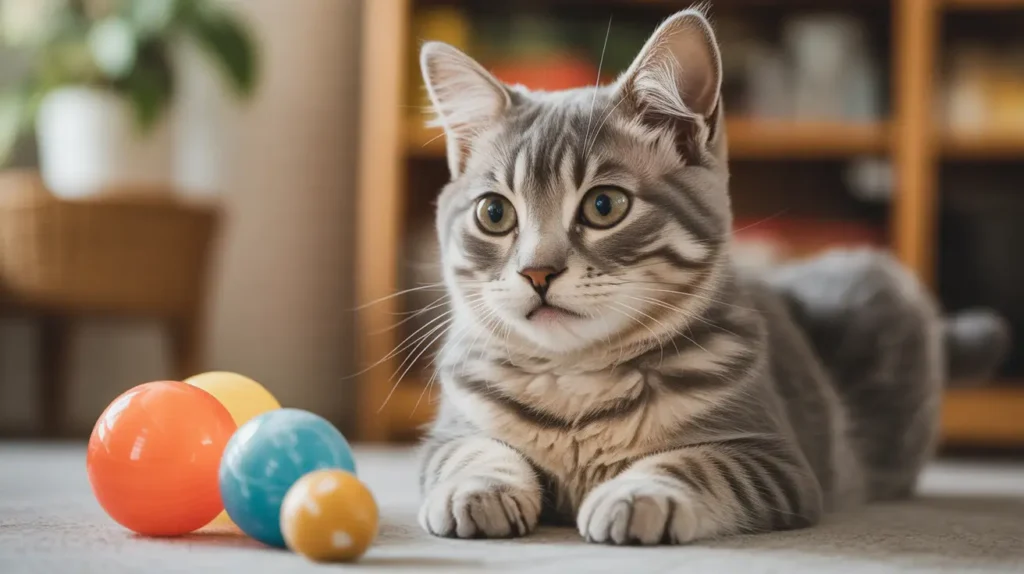
One of the most remarkable features of the Domestic Shorthair Cat is its appearance. While short-haired, their coats can display a multitude of patterns, including:
Tabby
Calico
Solid black or white
Bi-color combinations
These cats have a medium-to-large body size, muscular build, and strong bone structure. Adult Domestic Shorthairs typically weigh between 6–15 pounds, although some larger cats can exceed this range.
Their eyes are often expressive, and ear shapes may vary slightly, giving each cat a distinct personality. This diversity in appearance is one of the reasons so many people fall in love with Domestic Shorthairs—they are visually unique and charming.
Personality and Temperament
When it comes to personality, Domestic Shorthair Cats are known for their friendly, adaptable, and playful nature. They thrive in environments where they receive attention but are also content entertaining themselves.
Some common traits include:
Curiosity: Domestic Shorthairs love exploring new spaces and observing daily activities.
Affectionate: They enjoy cuddles, head bumps, and gentle petting.
Intelligent: Their problem-solving skills make them excellent at learning tricks or finding cozy spots around the house.
Independent: While social, they also appreciate alone time, making them low-maintenance for busy owners.
Case Study: One of my clients, Sarah, adopted a Domestic Shorthair named Milo. Despite Sarah’s busy work schedule, Milo adjusted easily, playing independently during the day and showing affectionate behavior in the evenings. His adaptability made him a perfect match for an apartment lifestyle.
Caring for a Domestic Shorthair Cat
Domestic Shorthair Cats are considered low-maintenance, but proper care is essential to ensure a long and healthy life. Here are some tips for caring for your cat:
Diet
Feed high-quality cat food with the right balance of protein and fat.
Freshwater should always be available.
Avoid giving cats human food that can cause digestive issues.
Grooming
Regular brushing helps maintain coat health and reduces shedding.
Dental care is important—consider brushing their teeth or providing dental treats.
Exercise & Play
Provide toys, climbing trees, or interactive play sessions.
Mental stimulation is crucial for their intelligence and curiosity.
Routine Checkups
Annual veterinary visits help monitor health and catch early signs of disease.
Vaccinations and parasite prevention are essential.
One of the standout benefits of Domestic Shorthair Cats is their robust health. Thanks to natural evolution, they tend to have fewer hereditary conditions compared to purebred cats.
Lifespan: Typically 12–16 years, though some live into their early 20s with proper care.
Common health concerns: Obesity, dental issues, and minor respiratory infections.
A well-balanced diet, regular exercise, and preventive healthcare can significantly extend your Domestic Shorthair’s lifespan.
Common Questions About Domestic Shorthair Cats
How to care for a Domestic Shorthair?
Provide a balanced diet, regular grooming, playtime, and annual veterinary care.
What is the lifespan of a Domestic Shorthair Cat?
Typically 12–16 years, with proper care extending into the early 20s.
Are Domestic Shorthair good with children and other pets?
Yes, they are generally friendly, social, and adaptable, making them excellent family pets.
Real-Life Use Case: Adopting a Domestic Shorthair
I once worked with a shelter that received a Domestic Shorthair named Luna. She was timid and shy due to being a stray. Through consistent care, proper diet, play, and socialization, Luna became a confident and affectionate cat. Her story demonstrates how Domestic Shorthairs can thrive in loving environments, regardless of their past.
Final Thoughts
The Domestic Shorthair Cat is a fantastic pet for virtually any household. With their friendly personalities, adaptability, and relatively low-maintenance care needs, they offer companionship and joy for years. By understanding their traits, providing proper nutrition, and keeping up with health care, owners can enjoy a long, rewarding relationship with these wonderful cats.
If you’re considering adopting, remember that every Domestic Shorthair has a unique personality and appearance—making your feline companion truly one of a kind.
Curious about these vibrant felines? Check out our guide on the Orange Tabby Cat to learn about their personality, care tips, and fun facts.
FAQs
Is a Domestic Shorthair a good cat?
Yes, They are friendly, adaptable, and great for families and individuals alike.
What breed is my Domestic Shorthair cat?
They are a mixed breed with diverse ancestry, not a specific pedigree.
Is a tabby a Domestic Shorthair?
Many Domestic Shorthair can be tabby, but tabby refers to a coat pattern, not the breed itself.
Is a Domestic Shorthair cat rare?
No, Domestic Shorthair are common and one of the most widespread cat types worldwide.