Calico cats are among the most eye-catching and beloved felines in the world of cat lovers. With their signature tri-color coats and vibrant personalities, these cats are more than just a pretty face—they come with fascinating genetics, unique temperaments, and intriguing myths. Whether you’re a long-time cat enthusiast or considering adopting a calico, this guide will help you understand everything you need to know about these charming cats.
Table of Contents
What Is a Calico Cat?
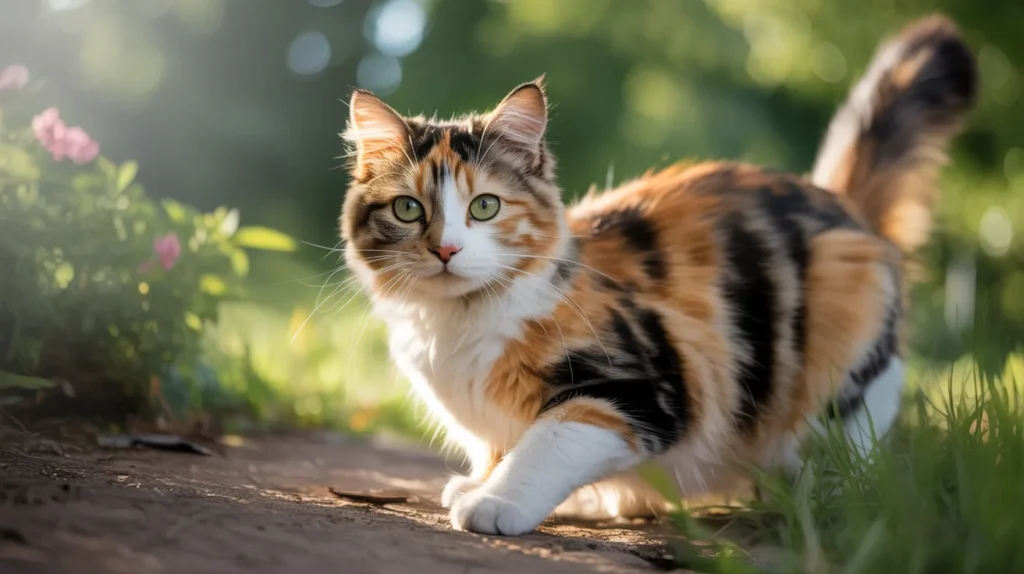
A calico isn’t a specific breed but rather a color pattern that appears across many breeds. Calico cats are most recognized for their distinctive tri-colored coats, usually a combination of white, black, and orange (sometimes cream or grey). The patches of color are typically well-defined, making each calico truly unique.
It’s important to note that no two calicos have the same pattern, making each one’s coat as individual as a human fingerprint. Some calicos may have more white than color, while others might display bold, contrasting patches.
Is Calico a Breed?
Many people mistakenly assume that calico cats are a breed, but they’re actually defined by their coat color pattern, not their lineage. You can find calicos in breeds like:
Domestic Shorthair
Domestic Longhair
Maine Coon
Persian
American Shorthair
This means you might encounter calicos with different body types, fur lengths, and personalities depending on their breed background.
The Genetics Behind Calico
One of the most fascinating aspects of calicos is their genetics. Almost all calico cats are female because the calico coat pattern is linked to the X chromosome. Female cats have two X chromosomes (XX), which allows them to carry both black and orange color genes. Male cats, having only one X chromosome (XY), are rarely calico unless they have a rare genetic anomaly called Klinefelter’s Syndrome.
The white patches are caused by a separate gene that prevents pigment cells from forming, creating the characteristic white areas on the coat. This combination of genetics ensures that calicos are visually stunning and genetically unique.
Calico Cat Personality: What to Expect
Calicos are known for their strong-willed, independent personalities. Many owners describe them as feisty, playful, and affectionate—but always on their own terms. Some key traits include:
Curious and adventurous
Social, but selective with attention
Intelligent and problem-solving
Loyal and protective of family members
Real-life case study: My neighbor adopted a female calico named Luna. Luna quickly became the queen of the household, always exploring new nooks, engaging in playful antics, and forming a deep bond with anyone patient enough to earn her trust. Her personality perfectly reflected the spirited and independent nature typical of calico cats.
The average calico cat lifespan ranges from 12 to 16 years, though with excellent care, some can live into their late teens. Factors influencing their longevity include diet, exercise, breed background, and regular veterinary care. Because most calicos are domestic cats, they tend to have lifespans similar to other domestic felines.
Calico Care Tips
Caring for a calico isn’t much different from caring for any domestic cat, but keeping their unique personality and energy in mind helps. Here are some practical tips:
Nutrition: Provide high-quality cat food tailored to their age and health needs.
Grooming: Brush their coat weekly, especially if they have long hair.
Play and Exercise: Engage them with interactive toys and climbing opportunities.
Routine Vet Checkups: Regular vaccinations and checkups prevent common cat health issues.
Mental Stimulation: Puzzle feeders or training sessions help keep their intelligent minds active.
Fun Facts About Calicos
Calicos aren’t just pretty—they come with some fascinating quirks:
Mostly Female: About 99% of calicos are female due to genetics.
Lucky Cats: In Japan, calicos are considered symbols of good luck and fortune.
Unique Patterns: Each calico is one-of-a-kind. No two calicos will have identical markings.
Rare Males: Male calicos are extremely rare and usually sterile.
Calicos Health Considerations
While generally healthy, calico cats may be prone to certain breed-related issues depending on their genetic background. Common concerns include:
Dental disease
Obesity (if diet and exercise are not managed)
Rare male calico genetic anomalies
Regular vet care and a healthy lifestyle help ensure your calico lives a long, happy life.
Calico Cat Adoption Tips
If you’re considering adopting a calico cat, here’s what to keep in mind:
Look for reputable shelters or breeders.
Observe personality traits to match your lifestyle.
Consider the age—kittens are playful but require more attention, while adult cats often have established personalities.
Ensure you’re prepared for grooming and care needs specific to the cat’s coat length.
Conclusion
Calico cats are much more than their striking tri-color coats. They offer a combination of beauty, personality, intelligence, and charm that makes them a beloved companion. From their genetics to their quirky behavior, understanding calico cat personality, care, and lifespan ensures that you can provide a loving and enriching home. Whether you’re fascinated by their genetic uniqueness or drawn to their playful spirit, calicos make an unforgettable addition to any family.
To learn more about this sleek and talkative breed, check out our detailed guide on the Oriental Shorthair Cat, covering personality, care, and lifestyle needs.
FAQs
What is so special about calico cats?
Calicos are special because each has a completely unique tri-color pattern, making no two calicos identical.
Why is calico cat only female?
A calico is usually female because the coat’s orange and black colors require two X chromosomes to appear.
What two cats make a calico cat?
Two cats carrying black, orange, and white color genes can produce a calico, regardless of the breed.
Why are calico cats so rare?
Calicos are rare because the exact mix of coat-color genes and white spotting occurs only under specific genetic conditions.