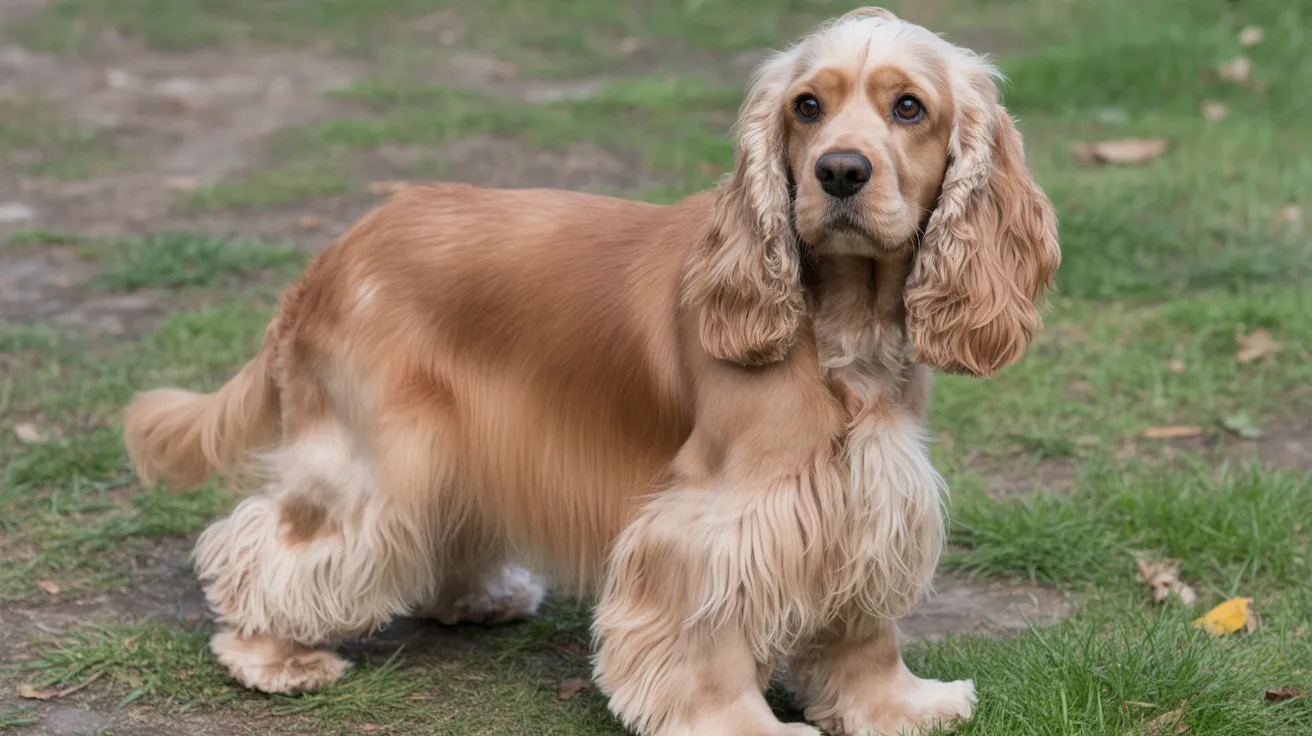
The Bracco Italiano is a unique and elegant breed that has captured the hearts of dog lovers for centuries. Known for its intelligence, loyalty, and striking appearance, this Italian pointer has a rich history and versatile personality. Whether you’re considering adopting one or simply want to learn more, understanding its traits, care requirements, and health considerations is essential.
Content
A Brief History of the Bracco Italiano
Originating in Italy, the Bracco-Italiano dog has been used for hunting since the Renaissance. Valued for its pointing and retrieving abilities, it was often seen accompanying hunters through Italian countrysides. Its name, “Bracco,” comes from the Italian word for a hunting dog, highlighting its traditional role as a skilled pointer.
Over the years, the breed has retained its hunting instincts while also adapting well to family life. Today, Bracco-Italiano dogs are as comfortable in a home as they are in the field, making them versatile companions.
Physical Traits
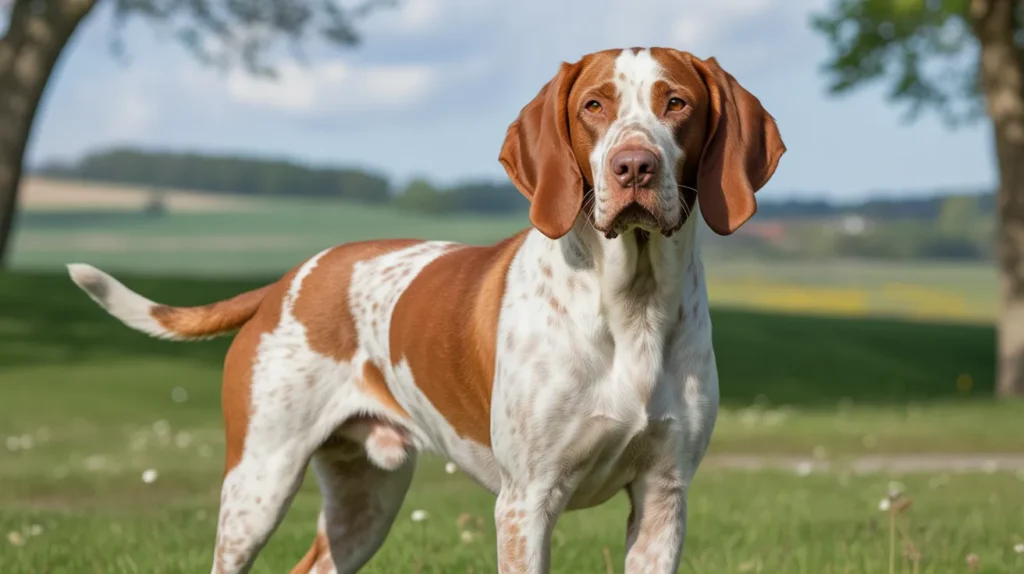
It is a medium to large dog with a muscular yet elegant frame. Key characteristics include:
- Coat: Short and dense, typically in white, orange, or brown shades.
- Ears: Long and drooping, contributing to its expressive face.
- Eyes: Almond-shaped and warm, showing intelligence and alertness.
- Size: Males usually weigh between 55–70 pounds, while females are slightly smaller.
Their appearance is not only beautiful but also functional, helping them move efficiently in outdoor environments.
Personality and Behavior
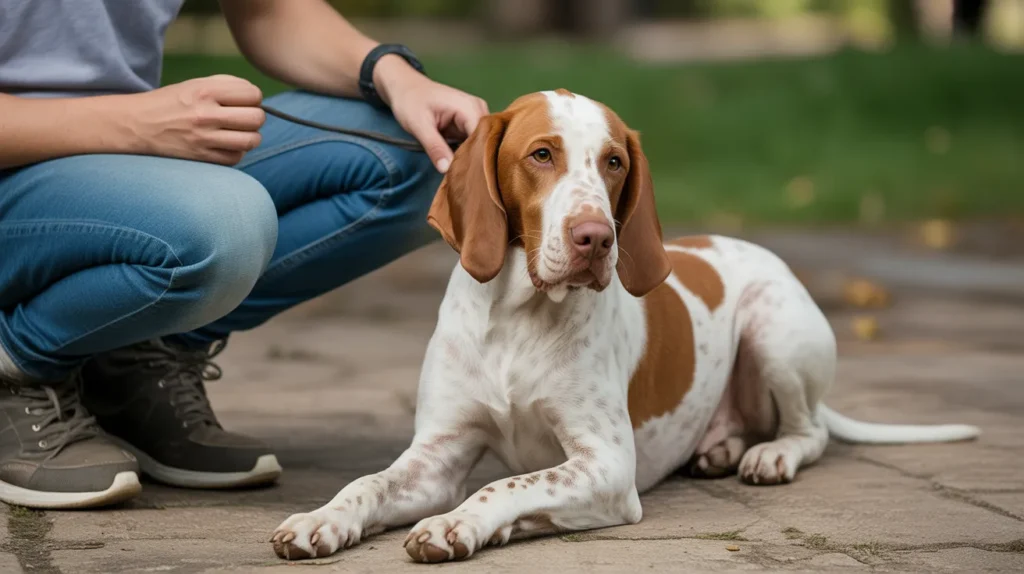
The Bracco Italiano temperament is one of its most attractive qualities. They are:
- Affectionate and loyal: These dogs form strong bonds with their families and enjoy being involved in daily activities.
- Intelligent and trainable: Their sharp minds make them quick learners in obedience, agility, and scent-based games.
- Energetic yet gentle: They thrive in active households but are also calm and loving indoors.
Take the example of Luca, a 3-year-old Bracco Italiano living in Florence. His owner, Marco, says:
“Luca has a playful yet gentle personality. Every morning, we go on a long walk or run, and he loves tracking scents in the park. He learns quickly but also keeps us entertained with his little quirks.”
This example highlights how the breed combines intelligence with affectionate behavior, thriving in an environment that balances exercise and attention.
Caring for a Bracco Italiano
Owning a Bracco-Italiano comes with responsibilities. Here’s a breakdown of their care needs:
Exercise
These dogs are naturally active and need at least one to two hours of daily exercise. Walks, runs, and scent-tracking activities help them stay healthy and mentally stimulated. A home with a yard or nearby outdoor space is ideal for meeting their energy requirements.
Grooming
The Bracco Italiano’s short coat is low-maintenance but benefits from weekly brushing to remove loose hair and maintain healthy skin. Regular ear cleaning and nail trimming are essential due to their droopy ears and active lifestyle.
Training and Socialization
Bracco Italiano dogs are intelligent and respond well to positive reinforcement. Early socialization—introducing them to people, other pets, and new environments—helps prevent shyness or behavioral issues. Training sessions that include fun games keep them engaged and strengthen the bond with their owner.
Health and Lifespan
Generally healthy, the Bracco Italiano can be prone to a few conditions:
- Hip dysplasia
- Ear infections
- Certain eye disorders
Routine veterinary check-ups, a balanced diet, and consistent exercise help reduce these risks. On average, they live 11–14 years, offering many years of companionship.
Nutrition
A high-quality diet is essential. Puppies need nutrient-dense food to support growth, while adults thrive on well-balanced meals with adequate protein, vitamins, and minerals. Maintaining a healthy weight is critical to prevent joint issues.
Read Also: Dutch Shepherd
Adopting or Buying a Bracco Italiano
When looking for a Bracco Italiano:
- Choose reputable breeders who follow health and temperament testing.
- Consider breed-specific rescues for adoption.
- Ensure puppies’ parents have been screened for common health concerns, such as hip dysplasia.
This approach increases the likelihood of a healthy, well-adjusted dog.
Real-Life Case Study
Bruno’s Journey: Hunting and Family Life
Sofia, a dog trainer from Tuscany, adopted Bruno, a 2-year-old Bracco Italiano. Initially energetic and shy, Bruno underwent six months of structured training:
- Daily Exercise: Morning runs and scent-tracking games.
- Positive Reinforcement: Reward-based obedience training.
- Socialization: Weekly interactions with other dogs and new environments.
The result? Bruno became a skilled hunting companion while also being a gentle, affectionate family dog. This shows the breed’s adaptability and intelligence when provided with proper care.
Conclusion
The Bracco Italiano is a graceful, intelligent, and loyal breed. With proper care, training, and socialization, it can thrive as both a hunting companion and a family pet. By understanding their personality, health needs, and activity requirements, you can enjoy a rewarding and long-lasting relationship with this exceptional Italian breed.
If you enjoy learning about dog breeds, check out our complete guide to the energetic and friendly Springer Spaniel.
FAQs
Is a Bracco Italiano a good family dog?
Yes, They are affectionate, gentle, and playful, making them great companions for families.
Do Bracco Italianos bark a lot?
Generally, they are not excessive barkers but may alert you to strangers or unusual activity.
Is a Bracco Italiano a hound?
Yes, the it is a pointer-type hound with strong hunting instincts and scenting skills.
What are the cons of Bracco Italiano?
They need daily exercise, can be stubborn at times, and require grooming and health attention.