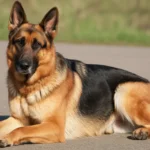
The Belgian Malinois is a striking and highly intelligent breed known for its agility, loyalty, and hardworking nature. Often seen in police and military roles, this breed has captured the hearts of dog lovers worldwide. But while their skills and beauty are admired, owning a Belgian Malinois requires dedication, proper training, and a thorough understanding of their needs. In this guide, we’ll explore everything you need to know about Belgian Malinois, from personality and care tips to training techniques, diet, health, and lifespan.
Content
Where Are Belgian Malinois From?
The Belgian Malinois originated in Belgium in the late 19th century. They are one of four Belgian shepherd breeds, alongside the Laekenois, Tervuren, and Groenendael. Bred primarily as herding dogs, Malinois have sharp instincts, boundless energy, and a strong work ethic. Their agility and intelligence made them ideal for protecting livestock, guiding flocks, and assisting farmers.
Today, Belgian Malinois dogs are not only companions but also work in police forces, military units, search-and-rescue teams, and even competitive dog sports like agility and obedience trials. Their background as working dogs contributes significantly to their Malinois temperament, which combines loyalty, protectiveness, and alertness.
Appearance & Physical Traits
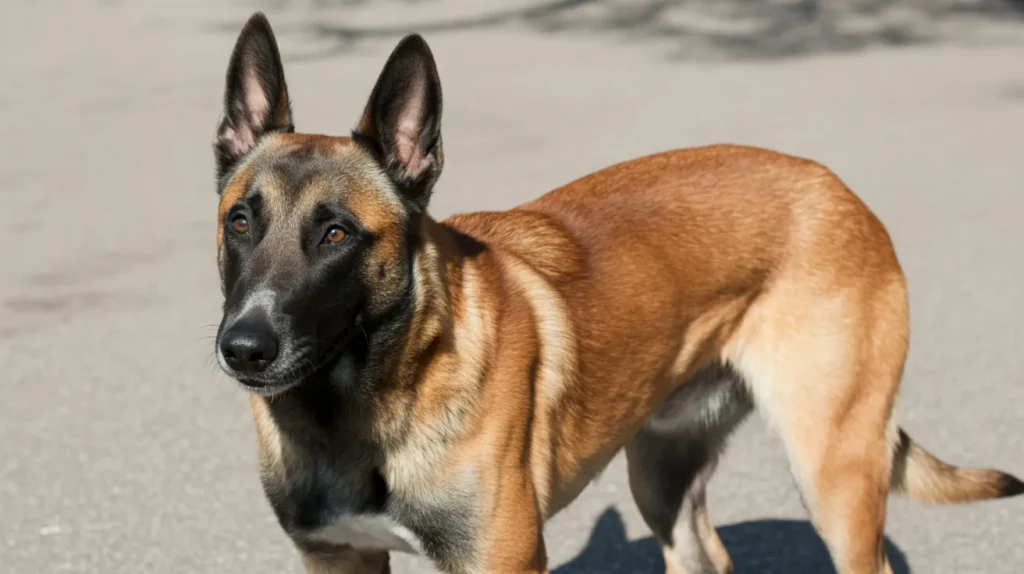
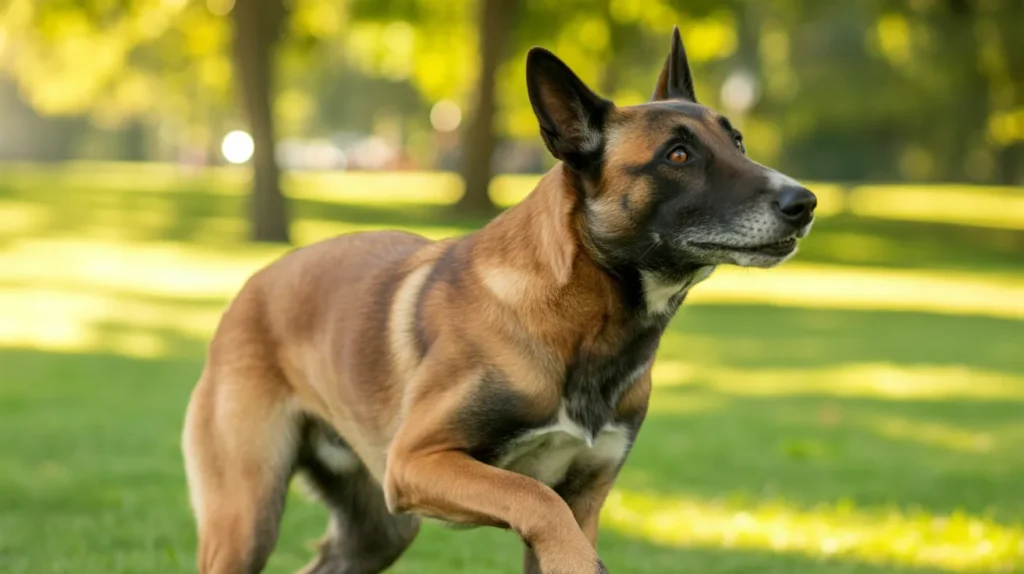
Belgian Malinois are medium-sized dogs, known for their sleek, muscular build and athletic stance. They typically weigh between 40–80 pounds and stand 22–26 inches tall at the shoulder. Their coat is short, straight, and dense, usually fawn-colored with a black mask.
Some distinctive physical traits include:
Ears: Upright and alert, giving them an attentive expression.
Eyes: Dark brown, almond-shaped, conveying intelligence and curiosity.
Tail: Long and slightly curved, balanced for their athletic movements.
While they are elegant, their appearance also hints at their incredible endurance and agility, which are crucial for their working capabilities.
Personality & Temperament
The Belgian Malinois personality is one of its most defining features. They are intelligent, energetic, and highly trainable, but they are not ideal for first-time dog owners. Some key traits include:
Loyal and protective: They form strong bonds with their families and are naturally alert.
High energy: Daily mental stimulation and physical exercise are essential.
Intelligent and responsive: They excel in obedience and tasks requiring focus.
Sensitive: Harsh training can harm their trust and motivation.
For families considering a Belgian Malinois, understanding their Malinois temperament is crucial. These dogs thrive in homes where they can be challenged both physically and mentally.
Training a Belgian Malinois is an ongoing process that requires consistency, patience, and positive reinforcement. Early socialization is critical to help them distinguish between work, play, and family time. Here’s what works best:
Daily Exercise: At least 1–2 hours of intense physical activity, including running, fetch, and agility training.
Mental Stimulation: Puzzle toys, obedience challenges, and scent work are excellent for their sharp minds.
Advanced Training: Many Malinois excel in tasks like search-and-rescue, police work, and competitive sports.
Real-Life Case Study: “Max, the Family Protector”
Max, a 4-year-old Belgian Malinois, lives with a family in Colorado. Initially, Max’s high energy made indoor life challenging. His owners incorporated structured training routines: 45 minutes of morning runs, afternoon agility drills, and scent games in the backyard. Within months, Max became a well-behaved companion, alert to strangers yet calm around children. Max’s story highlights the importance of how to train a Belgian Malinois puppy from an early age and the positive impact of structured routines.
Diet & Health Care
A proper diet is crucial for the Belgian Malinois’ health, energy, and longevity. Feeding should be balanced to support their active lifestyle:
High-quality protein: Essential for muscle maintenance. Chicken, beef, or fish-based foods are ideal.
Healthy fats: Support skin, coat, and joint health.
Vitamins and minerals: Ensure a strong immune system.
Common Health Issues
Belgian Malinois are generally healthy dogs, with a lifespan of 12–14 years, but they can be prone to:
Hip dysplasia
Elbow dysplasia
Gastric dilatation volvulus (bloat)
Epilepsy
Regular vet check-ups, preventative care, and best diet for Belgian Malinois dogs tailored to their activity level can prevent or manage many health problems.
Belgian Malinois Lifespan
On average, Belgian Malinois live 12–14 years, though some can live longer with proper care. Lifespan depends on genetics, diet, exercise, and overall lifestyle. Early detection of health issues through vet checkups and maintaining a high-quality diet and exercise routine can contribute to a longer, healthier life.
Pros & Cons of Owning a Belgian Malinois
Before bringing a Malinois home, it’s essential to understand the advantages and challenges of this breed.
Pros:
Highly intelligent and trainable
Extremely loyal and protective
Great for active families or working roles
Excellent in obedience and dog sports
Cons:
High energy levels require significant exercise
Can develop behavioral issues if understimulated
Not suitable for apartment living or first-time dog owners
Strong prey drive may be challenging with other pets
Understanding these factors ensures that both the dog and the family have a happy and harmonious relationship.
Grooming & Maintenance
The Belgian Malinois has a short coat that is relatively low maintenance:
Brush once or twice a week to remove loose hair.
Bathe as needed, usually every 2–3 months.
Check ears, teeth, and nails regularly to prevent infections or overgrowth.
Despite their short coat, Malinois can shed moderately, so consistent brushing will help maintain a healthy and shiny appearance.
Conclusion
The Belgian Malinois is a remarkable breed that excels in work, sport, and as a loyal companion for the right owner. Their high energy, intelligence, and protective instincts make them excellent working dogs and family guardians when trained and cared for properly. From structured exercise routines to a balanced diet and early socialization, every aspect of their care contributes to a happy, healthy, and long life.
Whether you’re considering adopting a Malinois puppy or are already a proud owner, understanding their Malinois temperament, training needs, and health requirements will ensure a fulfilling relationship for both you and your dog. Remember Max’s story — with the right care and attention, a Belgian Malinois can thrive and become a beloved member of your family.
Explore our detailed German Shepherd guide to compare traits, training, and care for these loyal and intelligent breeds.
FAQs
Is a Belgian Malinois a good house dog?
Belgian Malinois can live indoors with active families but need daily exercise and mental stimulation.
Why do navy SEALs use Belgian Malinois?
Navy SEALs use Belgian Malinois for their intelligence, agility, loyalty, and exceptional working instincts.
Do Belgian Malinois turn on their owners?
Belgian Malinois are loyal; with proper training and socialization, they rarely turn on owners.
Which is better, German Shepherd or Belgian Malinois?
Both breeds are intelligent and protective, but Malinois are higher energy, while German Shepherds adapt better to families.