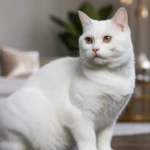
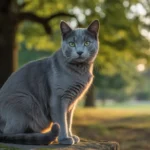
The Siberian Cat is one of the most captivating long-haired breeds in the world. With their thick triple coat, expressive eyes, and naturally affectionate nature, they offer the perfect blend of beauty and companionship. Many cat lovers adore them not only for their charm but also because they’re often considered a hypoallergenic cat—a big relief for families with mild allergies.
In this detailed guide, I’ll walk you through everything you need to know about the Siberian cat breed—from personality traits to grooming, lifespan, health, adoption tips, and real-life experiences. This guide follows a clean, organized, and SEO-optimized structure so readers—and Google—find it valuable.
Content
History & Origin of the Siberian Cat
If you’ve ever imagined majestic forest cats living in snowy landscapes, you’ve probably pictured a Siberian. Originating from Russia centuries ago, these cats developed naturally in harsh climates. Their dense coat and muscular build weren’t for style—they were essential for survival.
Historically, Siberian Cats lived on farms and in villages, valued for their hunting skills and ability to keep rodents away. Eventually, they gained recognition as a charming household breed. Today, they’re admired worldwide for their adaptability and friendly nature.
Size & Weight
Siberians grow slowly but reach impressive sizes:
Male: 12–17 lbs
Female: 8–13 lbs
Full maturity can take up to 5 years, especially for males.
Their slow growth rate is part of their charm—and it’s important to adjust diet and exercise appropriately during their developmental stages.
Siberian Cat Personality and Temperament
When it comes to Siberian cat personality traits, this breed truly stands out. They’re:
Affectionate without being overly clingy
Social and outgoing
Loyal and people-oriented
Intelligent, curious, and quick learners
Remarkably playful, even into adulthood
Many owners describe them as “dog-like” because they follow their humans around, greet visitors, and enjoy being part of daily activities. They thrive in households with kids, other cats, and even friendly dogs.
Real-Life Case Study: The Story of Milo
One of the most memorable Siberians I encountered was Milo, a 4-year-old rescue adopted by a family with two toddlers. Initially, the parents worried about whether a long-haired cat would shed too much or cause allergies. To their surprise, Milo quickly became the children’s best friend.
He loved playing hide-and-seek, slept near the kids’ room, and even learned to respond to his name. What amazed the family most was how well he tolerated noise and activity—something not every breed enjoys.
Their experience shows how adaptable and patient Siberians are with families, even in busy homes.
General Appearance: What Makes Siberians Unique
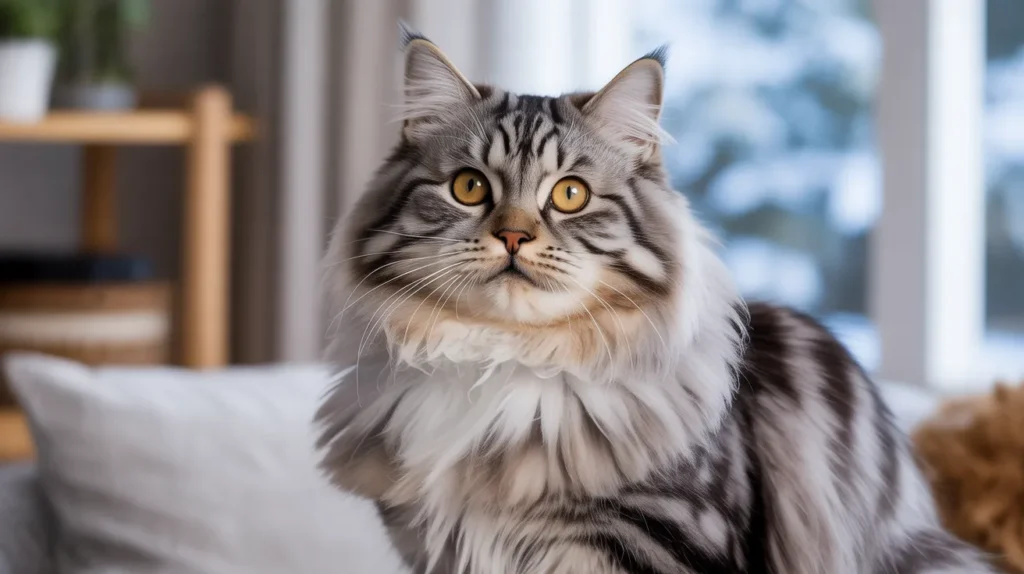
The Siberian Cat is a long-haired cat with a thick triple coat that changes with the seasons. Here’s what makes them visually stunning:
Coat: Dense, water-resistant fur; longer in winter
Eyes: Round, expressive eyes ranging from green to gold
Body: Strong, muscular build with powerful legs
Patterns: Available in almost every color and pattern—including tabby, solid, and bi-color
Tail: Long, fluffy, and plume-like
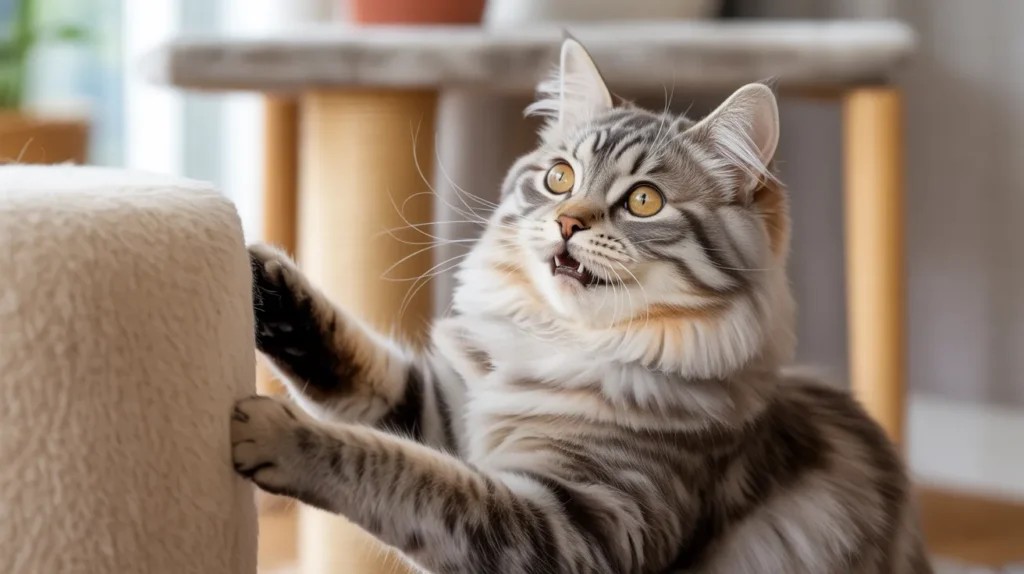
Despite their luxurious coat, Siberians have a surprisingly elegant and agile build. They’re active climbers and jumpers, so don’t be shocked if you find yours perched on a shelf, wardrobe, or cat tree.
One of the biggest questions people ask is: Are Siberian cats hypoallergenic?
Siberians are known to produce lower levels of Fel d 1, the main allergen released in cats. However:
They are not 100% hypoallergenic
Sensitivity varies from person to person
Many mild to moderate allergy sufferers report fewer reactions around Siberians
If allergies are a concern, it’s best to meet a Siberian kitten or adult cat before adoption.
Siberian Cat Lifespan and Health Issues
The typical Siberian cat lifespan ranges from 12 to 20 years, especially when cared for with good nutrition and regular vet checkups.
Common health concerns include:
Hypertrophic Cardiomyopathy (HCM)
Obesity
Dental disease
FLUTD (urinary issues)
As a hardy natural breed, Siberians are generally healthy, but early detection and prevention go a long way.
Diet & Nutrition: Best Diet for Siberian Cats
A balanced diet is crucial for this active breed. When planning the best diet for Siberian cats, consider these recommendations:
For Kittens
High-protein, energy-dense food
Multiple small meals daily
Wet food included for hydration
For Adults
Premium protein sources (chicken, turkey, fish)
Controlled portion sizes to prevent weight gain
Mix of wet and dry food
For Seniors
Low-fat but nutrient-rich formulas
Joint-support supplements (omega-3, glucosamine)
Hydration is essential for Siberians, especially in warmer climates. A fountain water bowl encourages them to drink more.
Grooming Tips for Siberian Cats
Despite their long coat, grooming Siberians is easier than many people expect.
Here are essential grooming tips for Siberian cats:
Brush 2–3 times per week
Use a wide-tooth comb to reach the undercoat
Increase brushing during spring and fall shedding seasons
Bathe only if necessary—once every 2–3 months
Clip nails every 2–3 weeks
Clean ears gently with vet-approved solution
Their coat doesn’t mat easily thanks to the natural oils and density, making maintenance surprisingly manageable.
How to Care for a Siberian Cat
Understanding how to care for a Siberian cat ensures they live a healthy and happy life.
Here’s what they need:
Environment & Enrichment
Tall cat trees (they love height)
Shelves and perches
Interactive toys for mental stimulation
Regular playtime (20–30 minutes daily)
Social Needs
Siberians are social cats. They enjoy companionship and shouldn’t be left alone for long periods. If you’re away often, consider adopting two cats together.
Litter & Hygiene
A clean litter box is essential. Siberians prefer spacious and low-dust litter options.
Siberian Kitten Adoption Guide
If you’re thinking about welcoming a Siberian into your home, here’s a simple Siberian kitten adoption guide to get started:
Provide scratching posts, toys, food bowls, litter box
During the First Week
Let them explore slowly
Introduce them to family members gradually
Maintain a predictable routine to help them adjust
Living with a Siberian Cat: What to Expect
Life with a Siberian is joyful and entertaining. They are:
Playful
Vocal (but not excessively)
Curious
Gentle with kids
Intelligent enough to learn simple commands
Loyal and affectionate
They also make excellent companions in multi-pet homes—especially when introduced properly.
Final Thoughts
The Siberian Cat is a beautiful combination of intelligence, affection, and natural charm. Whether you’re drawn to their hypoallergenic reputation, stunning coat, or friendly personality, they’re a fantastic breed for many households. With proper care, grooming, nutrition, and attention, your Siberian will reward you with years of companionship. Their resilience, loyalty, and playful spirit make them one of the most delightful breeds to welcome into your life. If you’re looking for a loving, energetic, and people-oriented feline friend, the Siberian might just be the perfect match.
Learn more about other breeds that may suit sensitive owners in our guide to Hypoallergenic Cats.
FAQs
How much does a Siberian cat cost?
A Siberian typically costs $1,200–$3,000, depending on breeder quality, pedigree, and region.
Is a Siberian cat a Maine Coon?
No. A Siberian is a distinct Russian breed, while the Maine Coon is an American breed with different traits and lineage.
What is special about Siberian cats?
Siberians are known for their low-allergen coats, strong build, playful nature, and affectionate family-friendly personality.
Are Siberian cats cuddly?
Yes, Siberians are often very cuddly, enjoying close bonding, lap time, and gentle affection with their owners.