The Maine Coon is often called the gentle giant of the cat world — and for good reason. Known for their large size, affectionate nature, and striking appearance, these cats have captured the hearts of cat enthusiasts worldwide. Whether you’re a first-time cat owner or an experienced feline lover, understanding the Maine Coon breed characteristics, behavior traits, and care requirements is essential to providing a happy, healthy life for your furry companion.
In this guide, I’ll walk you through everything you need to know about Maine Coons, from personality and grooming tips to lifespan and a real-life case study to give you a genuine glimpse into life with these majestic cats.
Content
Maine Coon Cat Breed Characteristics
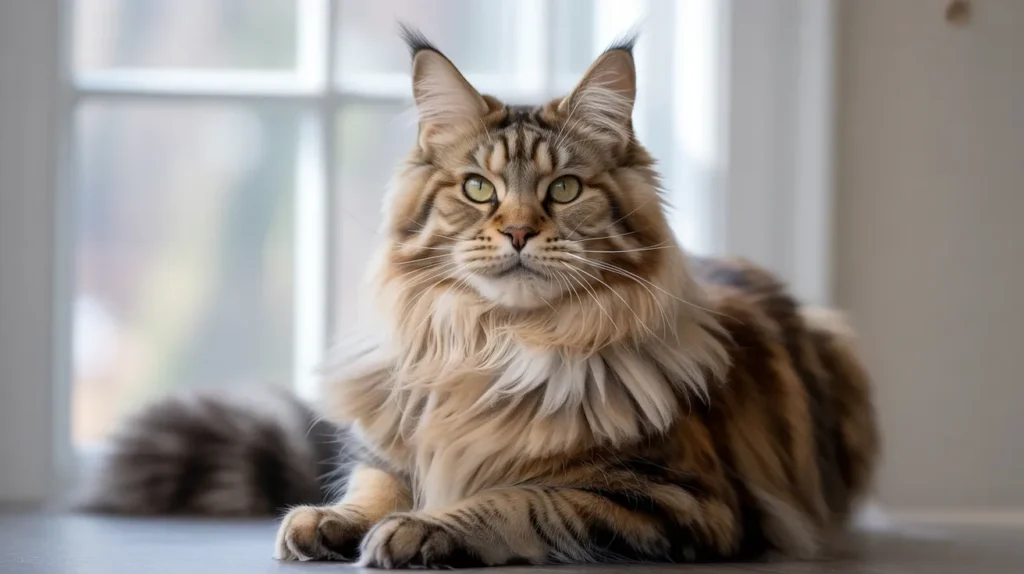
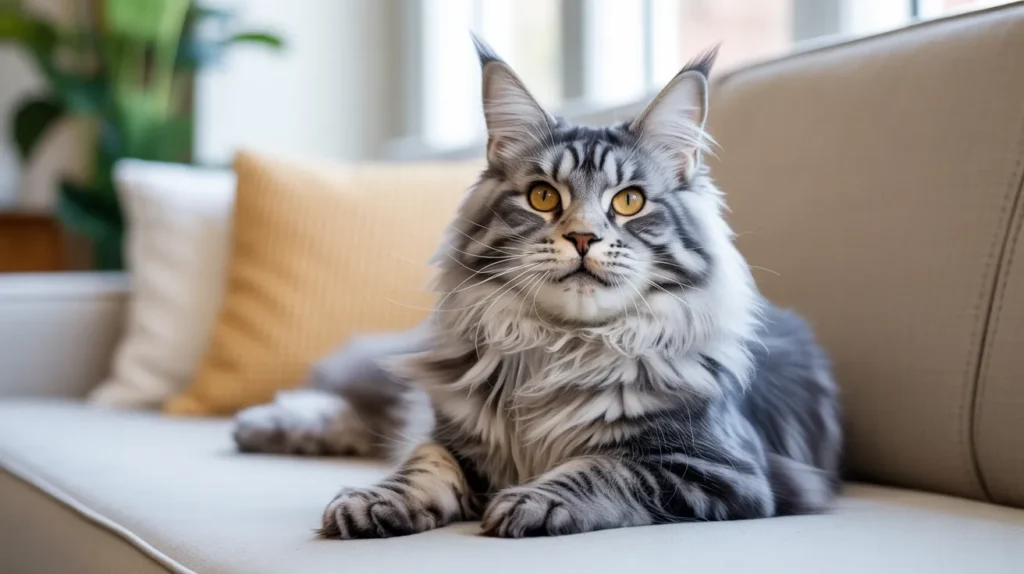
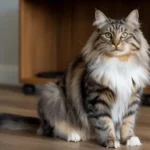
Maine Coons are among the largest domestic cat breeds. Their size is impressive, with males weighing between 13–18 pounds and females slightly smaller at 8–12 pounds. Their long, bushy tails and tufted ears give them a distinct appearance, while their thick, water-resistant fur makes them well-suited for colder climates.
One unique aspect of the breed is their slow growth rate. Unlike smaller cat breeds, Maine Coon Cat don’t reach full maturity until they are 3–5 years old. This gradual growth allows them to develop their sturdy bone structure and muscular build without health complications.
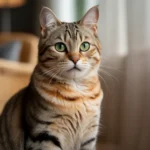
Their coat colors are diverse, ranging from classic brown tabbies to striking black and white, grey, or even orange patterns. For example, a Domestic Maine Coon orange tabby is highly sought after for its vibrant appearance.
Maine Coon Cat Personality and Temperament
If you’re considering a Maine Coon, you’re in for a treat. These cats are known for their friendly, sociable nature, making them perfect companions for families, singles, and seniors alike. Unlike some cat breeds that prefer solitude, Maine Coons thrive on interaction. They often follow their owners from room to room and enjoy being part of household activities.
Maine Coons are also highly intelligent, which makes training easier. They can learn tricks like fetching toys, opening doors, and even using puzzle feeders. Despite their size, they are gentle and patient, often described as having “dog-like” loyalty.
One of the most charming traits is their vocalization. Maine Coons communicate using chirps, trills, and soft meows, often letting you know when they want attention without being intrusive.
Caring for a Maine Coon goes beyond providing food and water. Due to their size and activity level, these cats require a slightly more involved routine than smaller breeds.
Nutrition and Diet
Maine Coons have larger appetites and higher energy needs. A balanced diet rich in protein is essential to maintain muscle mass and overall health. Many owners find that feeding high-quality dry and wet food in combination helps support their weight and coat health.
Exercise and Play
Despite their large size, Maine Coons are playful and energetic. Interactive toys, climbing trees, and regular play sessions will help prevent obesity and keep them mentally stimulated. Some owners even create indoor obstacle courses to mimic hunting behaviors and enrich their environment.
Grooming and Maintenance
Thanks to their thick fur, Maine Coons require regular grooming. Brushing 2–3 times per week reduces matting and helps control shedding. Some owners also bathe their cats occasionally to maintain the coat’s luster. Nail trimming, ear cleaning, and dental care are equally important for overall wellness.
Maine Coon Cat Lifespan of a Maine Coon Cat
The typical lifespan of a Maine Coon cat ranges from 12 to 15 years, though some have been known to live into their late teens with proper care. Regular veterinary check-ups, balanced nutrition, and preventive health care are essential for longevity.
Maine Coons are generally healthy but can be prone to certain conditions such as hip dysplasia and hypertrophic cardiomyopathy (HCM). Being aware of these potential Maine Coon health issues and screening early can make a huge difference in their quality of life.
Real-Life Case Study: Living with a Maine Coon
Let me share the story of Luna, a 4-year-old female Maine Coon living in New York. Luna was adopted as a kitten and immediately showed her playful and social personality. Her owner, Sarah, had to adjust her home to accommodate Luna’s size and energy.
Grooming Routine: Luna requires brushing every other day to prevent mats in her thick fur. Sarah also uses a gentle cat shampoo every two months.
Dietary Management: Sarah feeds Luna a combination of wet and dry premium cat food, ensuring she maintains a healthy weight of 14 pounds.
Personality & Interaction: Luna greets everyone at the door and loves to perch on the windowsill, chirping at birds outside. She even learned to fetch a small toy mouse, delighting Sarah’s children.
This real-life example demonstrates the gentle, intelligent, and affectionate nature of Maine Coons, showing how proper care and attention can make life with a Maine Coon both manageable and incredibly rewarding.
Cost and Considerations for Maine Coon Owners
Acquiring a Maine Coon can be a significant investment. Prices for kittens range from $800 to $2,000, depending on lineage and breeder reputation. Beyond initial costs, consider ongoing expenses for:
High-quality food and treats
Grooming tools or professional grooming services
Regular veterinary care and vaccinations
Enrichment items like cat trees and interactive toys
While Maine Coons require a bit more commitment than smaller breeds, the reward is a loyal, loving companion that becomes a true member of your family.
Conclusion
The Maine Coon is a remarkable cat breed, combining beauty, intelligence, and a friendly disposition. Understanding their breed characteristics, personality traits, grooming needs, and lifespan is key to providing a fulfilling life for your cat. From playful antics to affectionate companionship, Maine Coons are a joy for anyone willing to invest in their care. If you’re considering adding a Maine Coon to your home, remember that patience, routine care, and plenty of interaction will ensure a happy, healthy companion for over a decade.
Owning a Maine Coon isn’t just about having a pet — it’s about welcoming a gentle giant into your family who will bring love, loyalty, and laughter for years to come.
To learn more about this beautifully patterned feline, explore our complete guide on the Calico Cat, covering personality, lifespan, and care tips.
FAQs
How big does a Maine Coon get fully grown?
Adult Maine Coons can weigh 8–18 lbs and grow up to 40 inches including the tail.
Are Maine Coons good indoor pets?
Yes, they are friendly, social, and adapt well to indoor life with proper care.
Why are Maine Coon cats so large?
Their slow growth, sturdy bone structure, and genetics make them one of the largest domestic cats.
Do Maine Coons talk often?
They communicate with soft meows, chirps, and trills, often engaging without being loud.