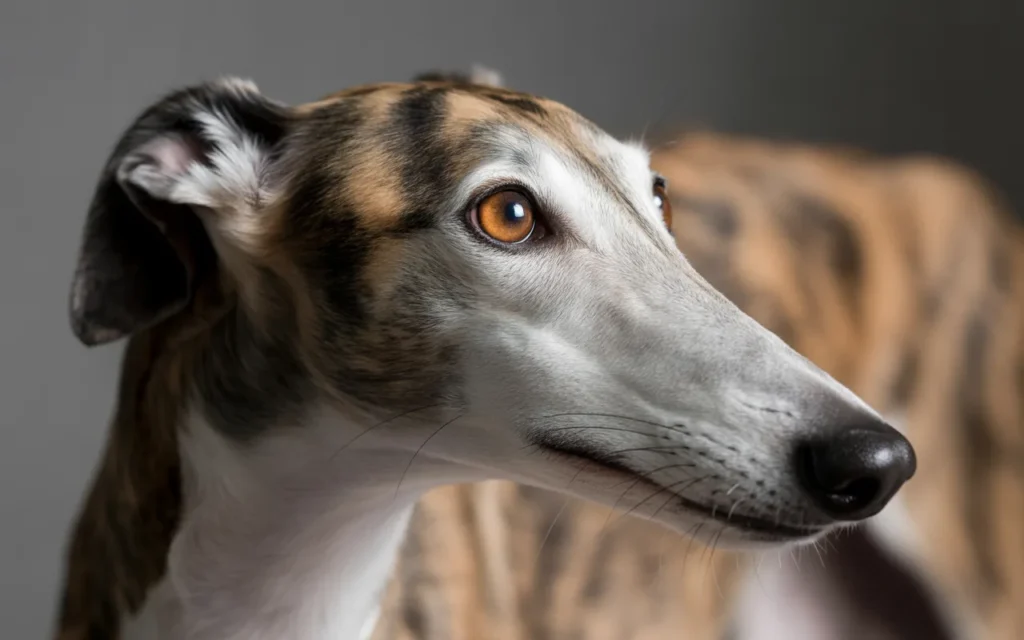
If you’ve ever been captivated by a dog with a long, elegant muzzle, you’ve likely encountered a long nose dog. These breeds aren’t just striking—they’re full of personality, agility, and unique traits that make them a joy to own. Whether you’re a first-time dog owner or a seasoned enthusiast, understanding the characteristics, health, and care requirements of long-nosed dogs is essential.
In this article, we’ll explore what makes a long nose dog special, highlight popular breeds, dive into their personality traits, and even share a real-life case study to give you an authentic perspective.
Content
What Is a Long Nose Dog?
A long nose dog is characterized by an elongated muzzle, giving them a distinctive profile compared to short-nosed breeds like pugs or bulldogs. This anatomy isn’t just aesthetic—it plays a role in their sense of smell, breathing efficiency, and even certain health advantages.
Most dogs with long snouts excel in scent work and hunting, thanks to the extended nasal cavity. For example, breeds like the Greyhound or Saluki are built for speed and endurance, while others like the Bloodhound are natural trackers.
Key Traits of Long Nose Dogs:
Narrow, elongated snout
Acute sense of smell
Often lean and athletic build
Playful but can be sensitive
Popular Long Nose Dog Breeds
Here’s a list of some long nose dog breeds that capture attention with their elegance and charm:
1. Greyhound
Temperament: Gentle, intelligent, and loving Fun Fact: Greyhounds are often called couch potatoes despite their racing background—they love lounging after a sprint.
2. Saluki
Known as one of the oldest dog breeds, the Saluki combines grace with endurance. They require ample exercise and are ideal for active families.
3. Borzoi
This Russian breed has a long, narrow muzzle and a silky coat. Borzois are elegant, intelligent, and usually very gentle with family members.
4. Afghan Hound
The Afghan Hound is known for its flowing coat and regal appearance. These dogs are independent yet affectionate and thrive with consistent grooming.
5. Bloodhound
A long nose dog in the truest sense, Bloodhounds have an unparalleled sense of smell. They are often used in search-and-rescue missions thanks to their tracking abilities.
6. Dachshund
While small, Dachshunds have a noticeable elongated face, which contributes to their hunting prowess. They’re spirited, loyal, and full of personality.
Other breeds include Whippet, Collie, Ibizan Hound, Pharaoh Hound, English Bull Terrier, Basset Hound, Irish Wolfhound, Azawakh, and Smooth Fox Terrier. Each brings its own set of long nose dog personality traits and care requirements.
Long Nose Dog Personality Traits
One of the most fascinating aspects of long snouted dogs is their temperament. While every dog is an individual, several common personality traits are seen across these breeds:
Intelligence: Long nose dogs are often quick learners and respond well to training.
Sensitivity: They can be emotionally aware of their owners’ moods.
Athleticism: Many breeds are built for endurance, speed, or agility.
Affectionate nature: Despite their independent streak, most love spending time with family.
For example, a real-life experience from my friend Sarah illustrates this perfectly. She adopted a Greyhound named Jasper, and while he was initially shy, his sensitivity and intelligence made him a perfect companion for her quiet household. Jasper loved running outdoors but would curl up beside her on the couch afterward—a classic long nose dog behavior.
While long noses can be advantageous, they come with their own set of health considerations:
Health Advantages:
Better airflow and reduced respiratory problems compared to short-nosed breeds
Stronger sense of smell, making them excellent for tracking and hunting
Health Considerations:
Sensitive teeth and gums due to elongated jaws
Prone to certain joint issues if not exercised properly
May require more grooming in breeds with long fur, like Afghan Hounds
A simple case study from my vet experience: A client’s Bloodhound had excellent tracking skills but developed early hip issues due to rapid growth and insufficient joint care. Regular vet check-ups, a balanced diet, and moderate exercise helped the dog remain active and happy.
Long Nose Dog vs Short Nose Dog
Many dog owners ask, “Are long nose dogs healthier than short nose dogs?”
In general, dogs with long snouts have fewer breathing problems than short-nosed (brachycephalic) dogs like Pugs or Bulldogs. This anatomical difference makes long nose dogs better suited for outdoor activities and agility work. However, their longer noses require careful dental hygiene and protection in extreme weather conditions.
How to Care for a Long Nose Dog
Caring for a long muzzle dog requires attention to both physical and mental needs:
Regular Exercise: Most long nose dog breeds are athletic. Running, hiking, and agility training are ideal.
Dental Care: Use long toothbrushes and dental chews to prevent gum issues.
Nutrition: Provide high-quality, balanced food suited to the breed’s size and activity level.
Grooming: Breeds like Afghan Hounds or Borzois require regular brushing.
Mental Stimulation: Puzzle toys, training sessions, and scent games help them stay engaged.
Real-Life Case Study: Jasper the Greyhound
Jasper, a retired racing Greyhound, was adopted by a small family in Texas. His long nose made him an excellent runner, and they discovered he loved scent games in the backyard. Initially shy, Jasper flourished with consistent routines and gentle socialization. He now participates in local agility classes and is the family’s affectionate companion.
This example shows how understanding the breed’s traits—from personality to health—ensures a long, happy, and fulfilling life for both dog and owner.
Conclusion
Long nose dogs are more than just striking looks—they bring intelligence, athleticism, and unique personalities to any home. From the sleek Greyhound to the lovable Bloodhound, each breed has its own charm and quirks. Understanding their traits, health considerations, and care needs ensures a happy, healthy life for your four-legged friend.
Whether you’re adopting your first long nose dog or adding to your canine family, remember that their intelligence, sensitivity, and affectionate nature make them one of the most rewarding pets to own.
“For a smaller, unique companion with playful personality, check out our guide on the Chinese Crested Dog.”
FAQs
What dog breed has a long nose?
Popular long nose dog breeds include Greyhound, Borzoi, Bloodhound, Saluki, and Afghan Hound.
Do Molossian dogs still exist?
Yes, Molossian dogs exist today as breeds like Mastiffs, Cane Corsos, and other Molossers.
Are Kangal dogs illegal in the US?
Kangal dogs are legal in most US states but may have restrictions or require permits in some areas.
Is a Cane Corso dog a good pet?
Cane Corsos can be loyal pets with proper training, socialization, and enough space to thrive.