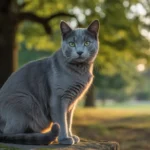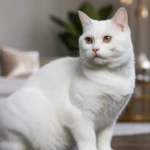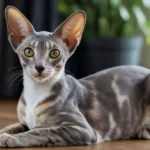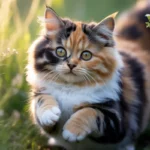
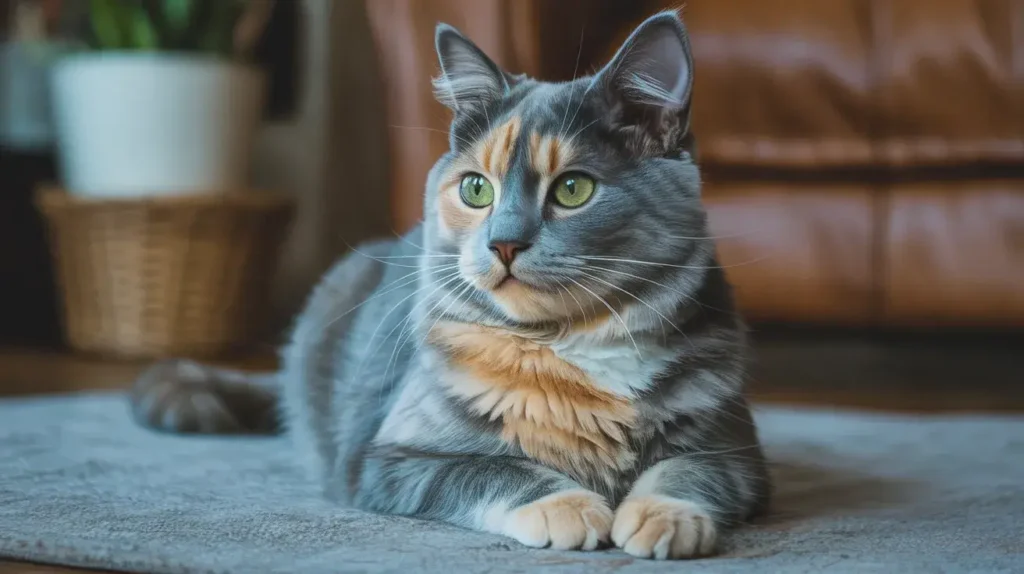
Few cats capture attention quite like the diluted tortie cat. With its soft blend of blue, gray, and cream tones, this cat looks as though its coat was painted with watercolors rather than bold brushstrokes. Beyond appearance, diluted torties are known for strong personalities, deep bonds with their owners, and a certain quiet confidence that sets them apart.
As someone who has worked closely with cats for years—through fostering, rescue work, and long-term ownership—I’ve found diluted torties to be among the most memorable companions. This guide explores what makes them unique, how they differ from standard tortoiseshell cats, what to expect in terms of temperament and care, and whether one might be the right fit for your home.
Content
What Is a Diluted Tortie Cat?
A diluted tortie cat is not a breed. It is a color variation of the traditional tortoiseshell coat pattern. While classic tortoiseshell cats display bold black and orange patches, diluted torties show softened versions of those same colors.
In a diluted tortie:
- Black appears as blue or gray
- Orange appears as cream or pale beige
This muted appearance is caused by a recessive dilution gene that affects pigment intensity but not the overall pattern. The result is a coat that appears smoky, pastel-like, and subtly blended rather than sharply contrasted.
Because coat color does not determine breed, diluted torties can appear in many types of cats, most commonly domestic shorthairs and domestic longhairs.
Diluted Tortie vs Tortoiseshell Cat
The difference between a diluted tortie cat and a standard tortoiseshell cat lies entirely in color intensity, not pattern or behavior.
Tortoiseshell cats have strong, high-contrast black and orange patches. Diluted torties share the same patchwork layout but with gentler shades. In natural light, the distinction becomes clear—diluted torties often look softer and more understated, while classic torties appear bold and dramatic.
From a behavioral standpoint, there is no proven difference. Any personality traits attributed to torties apply equally to diluted torties, as both are expressions of the same genetic pattern.
Diluted Tortie Colors Explained
One of the most appealing features of the diluted tortie cat is the complexity of its coloring. These cats rarely have uniform patches. Instead, their coats often show blended transitions between shades, giving each cat a one-of-a-kind appearance.
Common color combinations include:
- Blue-gray mixed with cream
- Pale silver with warm beige tones
- Smoky gray layered with soft apricot
Some diluted torties also have white areas on the chest, paws, or face. Others may show faint tabby striping within their colored patches, especially in kittens.
No two diluted tortie cats look exactly alike, which adds to their appeal among cat enthusiasts.
How Rare Is a Diluted Tortie Cat?
Many prospective owners wonder how rare a diluted tortie cat actually is. While not extraordinarily rare, diluted torties are less common than standard tortoiseshell cats.
The dilution gene must be inherited from both parents, making the color variation less frequent in random litters. This is especially noticeable in shelters, where genetics are unpredictable. However, diluted torties do appear regularly enough that patient adopters can find them, particularly in mixed-breed populations.
They are seen more often in:
- Domestic shorthair cats
- Rescue and shelter kittens
- Multi-cat litters where both parents carry the dilution gene
Diluted Tortie Cat Personality
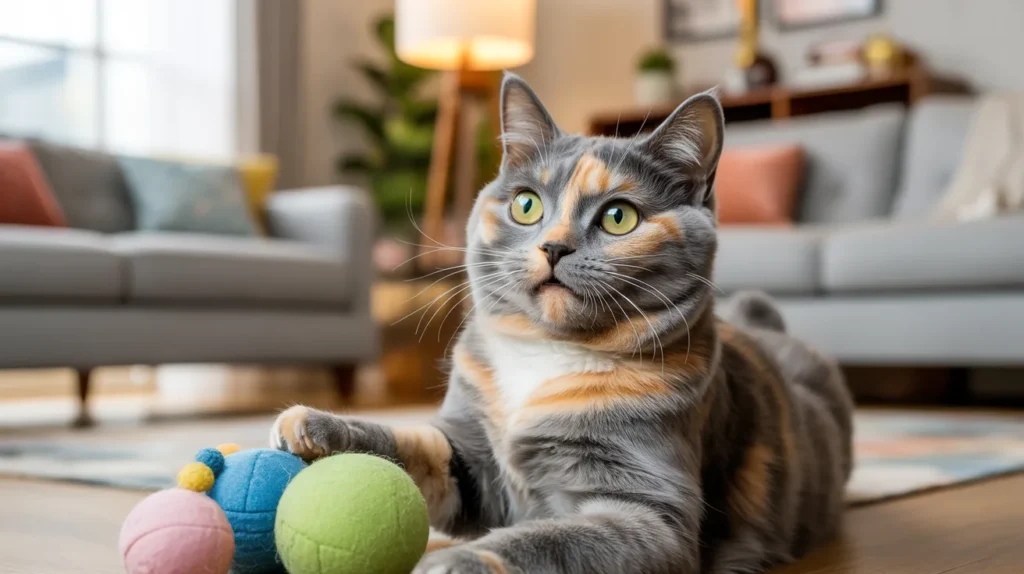
The personality of a diluted tortie cat is often described with one word: expressive. While science does not support a direct link between coat color and temperament, many long-time owners notice shared behavioral traits.
Commonly reported characteristics include:
- Strong-willed but affectionate behavior
- High intelligence and problem-solving ability
- Vocal communication, especially with familiar people
- Loyalty to one or two preferred humans
From personal experience, diluted torties tend to be deeply bonded to their chosen person. They may not greet strangers immediately, but once trust is established, they are affectionate and attentive companions.
Read Also: 100+ Unique Tabby Cat Names
Are Diluted Tortie Cats Always Female?
Almost all diluted tortie cats are female. This is due to the way coat color genes are carried on the X chromosome. Female cats have two X chromosomes, allowing for the combination of colors that produce the tortoiseshell pattern.
Male diluted torties are extremely rare and typically result from genetic anomalies such as an extra X chromosome. These males often have health or fertility challenges and should be monitored closely by a veterinarian.
Real-Life Case Study: Luna the Diluted Tortie
Luna was a diluted tortie kitten rescued from a small parking lot colony. At first glance, she appeared timid—soft gray and cream fur, cautious movements, and quiet observation. Within weeks, her true personality emerged.
She followed her owner from room to room, announced meal times loudly, and insisted on sleeping nearby—but only on her terms. Luna did not tolerate forced attention, yet she formed an intense bond with one person in the household.
By adulthood, she became the emotional anchor of the home: alert, protective, and deeply affectionate. Her behavior closely mirrors what many owners describe when discussing diluted tortie cat personality traits—independent yet profoundly loyal.
Diluted Tortie Cat Lifespan and Health
A diluted tortie cat’s lifespan depends more on lifestyle and genetics than coat color. On average, these cats live between 12 and 16 years, with many reaching their late teens when well cared for.
There are no known health conditions linked specifically to diluted coloration. General health considerations include:
- Regular veterinary checkups
- High-quality nutrition
- Dental care
- Weight management
Male diluted torties, due to their rare genetics, may require additional medical oversight.
Caring for a Diluted Tortie Cat
Caring for a diluted tortie cat is no different from caring for any other domestic cat, but understanding their temperament helps improve the relationship.
Based on experience, the most effective care strategies include:
- Providing mental stimulation through toys and climbing spaces
- Maintaining a predictable daily routine
- Allowing the cat to initiate affection
- Offering quiet spaces for rest and observation
Regular grooming helps maintain coat health and enhances the natural sheen of diluted colors, especially in long-haired varieties.
Common Myths About Diluted Tortie Cats
There are several misconceptions surrounding diluted torties that deserve clarification.
They are not aggressive by nature. Expressiveness should not be confused with hostility.
They are not a breed, but a color pattern.
They are not difficult pets—though they do thrive in homes that respect boundaries and individuality.
Understanding these points allows owners to appreciate diluted torties for what they truly are: complex, intelligent companions.
Final Thoughts
A diluted tortie cat offers something truly special. With its soft, elegant coloring and confident personality, this cat stands out without demanding attention. For owners who value individuality, emotional connection, and a cat with character, a diluted tortie can be a deeply rewarding companion.
Their beauty may draw you in, but it’s their personality that stays with you.
“Learn more about the unique traits and care tips of a Male Calico Cat here.”
FAQs
Is a dilute tortie cat rare?
Yes, they’re less common than standard torties due to the recessive dilution gene.
How much is a dilute tortie cat worth?
Prices vary, but adoption from shelters is usually $50–$200; breeders may charge $300+.
Are diluted torties cuddly cats?
Many are affectionate with their favorite humans, though they may be independent.
Do dilute tortoiseshell cats have health problems?
No health issues are linked to their color; normal vet care is sufficient.

John is the birdwatcher extraordinaire. From chirping canaries to majestic macaws, he’s here to help you feather your nest with pet bird knowledge.