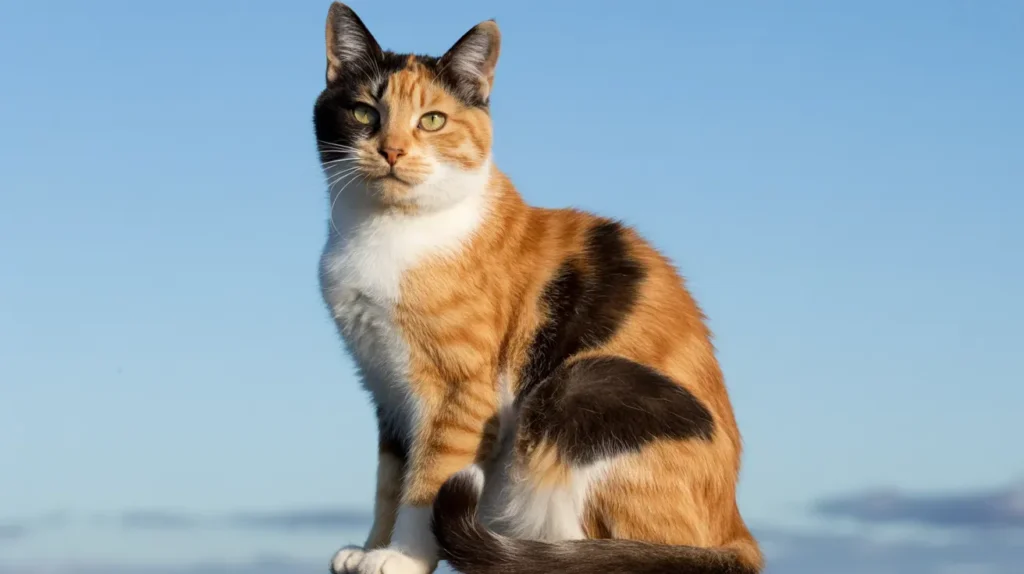
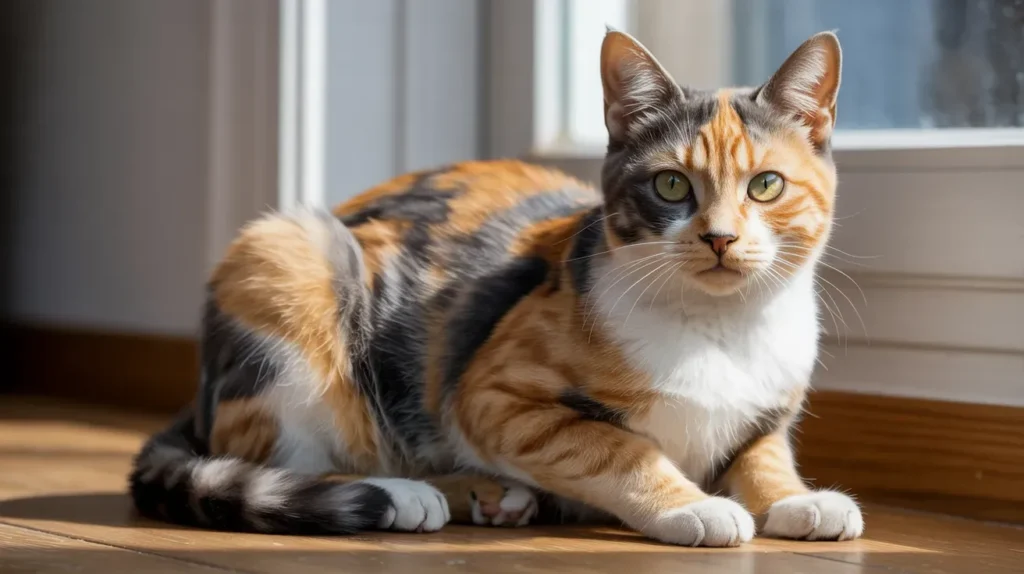
Male calico cats are a fascinating topic for cat lovers everywhere. With their distinctive tri-colored coats, these cats aren’t just beautiful—they’re extremely rare, making every encounter special. But what exactly makes a male calico cat so unique, and how can you care for one? In this article, we’ll explore their genetics, personality traits, care requirements, and rarity, all while sharing real-life experiences to make this topic come alive.
Content
What Is a Male Calico Cat?
When you imagine a calico cat, you probably picture a cat with orange, black, and white fur. While most calico cats are female, male calico cats are extremely uncommon. This rarity is due to their genetics.
A male calico cat has a combination of X and Y chromosomes that makes the tri-colored coat possible. In simple terms, a male needs an extra X chromosome (XXY pattern) to display the calico coloration. This makes them a genetic marvel, often drawing attention from cat enthusiasts and breeders alike.
Why Are Male Calicos So Rare?
Here’s where things get truly interesting. Male calico cats are so rare because the calico coat is linked to the X chromosome. Female cats have two X chromosomes (XX), which allows the orange and black fur genes to express simultaneously. Male cats have only one X chromosome (XY), so the combination needed for a calico pattern rarely occurs.
In fact, it’s estimated that only 1 in 3,000 calico cats are male. This rarity often sparks curiosity and admiration among cat lovers. Some male calico cats also experience sterility, another factor that makes them even more uncommon.
Genetics Behind Calico Coloration
Understanding the genetics of calico cats can seem complicated, but it’s actually quite fascinating. The orange and black coat colors are sex-linked traits on the X chromosome. In female cats, these traits can mix freely to produce the familiar tri-color pattern.
Male calicos, however, require an extra X chromosome (XXY), making them genetic anomalies. This genetic configuration sometimes leads to sterility, though not always. Most male calicos are healthy, affectionate cats, but some may experience mild health issues associated with their genetic makeup.
Personality and Behavior of Male Calicos
Male calico cats are not just visually striking—they often have unique personalities. Many owners report that their male calicos are:
Playful and energetic
Affectionate with family members
Curious and intelligent
Occasionally stubborn, reflecting a strong-willed nature
While personality can vary depending on upbringing and environment, many owners notice that male calicos have a sweet and loyal temperament, often forming strong bonds with their humans.
Caring for a Male Calico
Caring for a male calico cat is similar to caring for other cats, but with some attention to detail:
Nutrition: Feed a balanced diet suitable for the cat’s age and activity level.
Grooming: Their tri-colored coats require regular brushing to prevent matting.
Health Check-ups: Because of their genetic uniqueness, it’s wise to schedule regular vet visits.
Play and Enrichment: Male calicos are curious and energetic, so provide toys and interactive playtime.
Socialization: They often thrive in households where they receive attention and stimulation.
Most male calico cats are healthy, though some may have conditions linked to their XXY chromosome pattern, including potential fertility issues. With proper nutrition, regular vet visits, and a stimulating environment, male calicos can live 10–15 years, much like other domestic cats.
Real-Life Case Study: “Oscar, the Male Calico Cat”
Oscar is a three-year-old male calico adopted from a local rescue. His owner, Maria, noticed that he had an exceptionally calm and affectionate personality compared to other cats in her household. Being a male calico, Oscar drew attention immediately due to his rare tri-color coat.
Maria shared that Oscar requires extra attention during grooming, as his soft, thick fur tends to tangle easily. However, his playful nature and love for cuddles made him a cherished family member. His case perfectly illustrates how rare genetics meet unique personality traits, making male calicos a special addition to any household.
Fun Facts About Male Calico Cats
Male calicos are almost always sterile.
They’re sometimes referred to as “Klinefelter cats” due to their XXY chromosomes.
Their rarity makes them highly sought after among breeders, but adopting from rescues is always encouraged.
Despite their rarity, male calicos are just as loving and playful as female calicos.
Conclusion
Male calico cats are a true wonder of genetics—a combination of rarity, beauty, and personality that makes them extraordinary. From their unique coat patterns to their affectionate behavior, they captivate cat lovers worldwide. By understanding their genetics, behavior, and care requirements, you can provide a loving home for one of these remarkable felines.
Whether you’re a first-time cat owner or a seasoned enthusiast, learning about male calicos enriches your understanding of cats and celebrates the incredible diversity in the feline world.
“Learn more about another majestic breed in our guide to the Siberian Forest Cat and its unique traits.”
FAQs
How rare is a male calico cat?
Only 1 in 3,000 calico cats are male, making them extremely rare and highly unique.
Can a male calico cat reproduce?
They are sterile due to genetics, so they usually cannot reproduce.
How much is a male calico cat worth?
Male calicos are rare, and prices vary widely, often ranging from $500 to $2,000 depending on breeder and pedigree.
Do all male calico cats have Klinefelter syndrome?
Most male calicos have the XXY chromosome pattern (Klinefelter), but some exceptions exist.