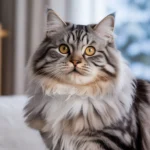
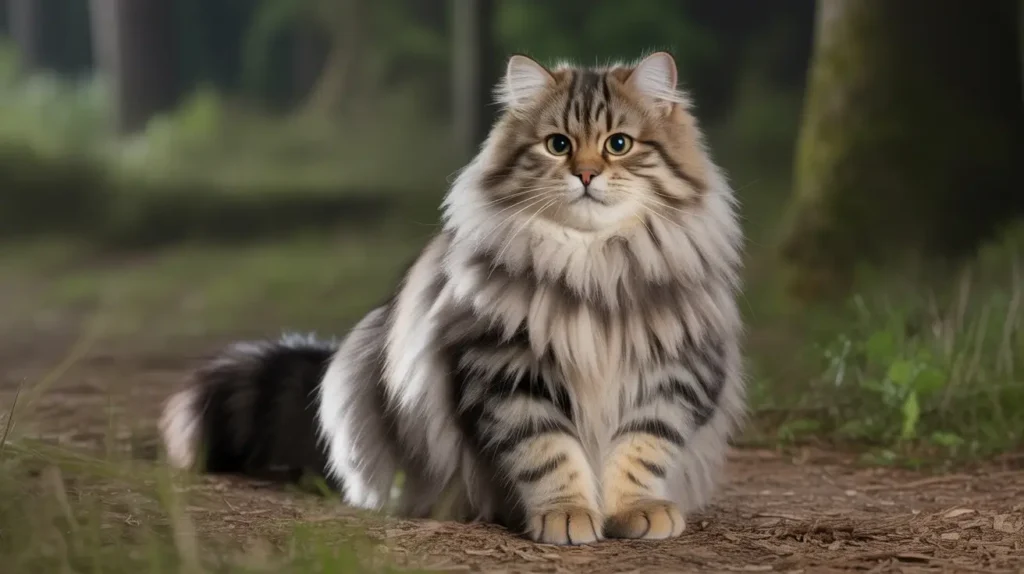
The Siberian Forest Cat is one of those breeds that quietly wins hearts. At first glance, its thick coat and powerful build make it look like a wild Russian forest cat. Spend a little time with one, though, and you’ll discover a gentle, intelligent, and deeply loyal companion that fits surprisingly well into family life.
As a pet blogger who has interacted with multiple long-haired breeds over the years, I’ve noticed that Siberians stand out—not just because of their beauty, but because of how emotionally tuned they are to their humans. This guide covers everything you need to know, from personality and appearance to care, health, and real-life ownership experiences.
Content
Overview of the Siberian Forest Cat Breed
The Siberian Forest Cat breed originates from the dense forests of Russia, where it naturally evolved to survive harsh winters. Unlike many modern breeds, Siberians weren’t heavily modified by humans, which is why they are often considered a robust and healthy natural breed.
They are medium to large cats with strong muscles, rounded paws, and a triple-layered coat designed to repel cold and moisture. Despite their rugged origins, Siberians adapt very well to indoor life when given proper stimulation and care.
Origin and History
Often referred to as the Russian forest cat, the Siberian has existed for centuries in Russia. Historical records mention them as early as the 11th century, living alongside humans as farm cats and family companions.
Because they developed naturally rather than through selective breeding, Siberians retained strong immune systems and stable temperaments. This natural evolution explains why many owners today report fewer health problems compared to more delicate breeds.
Siberian Forest Cat Personality and Temperament
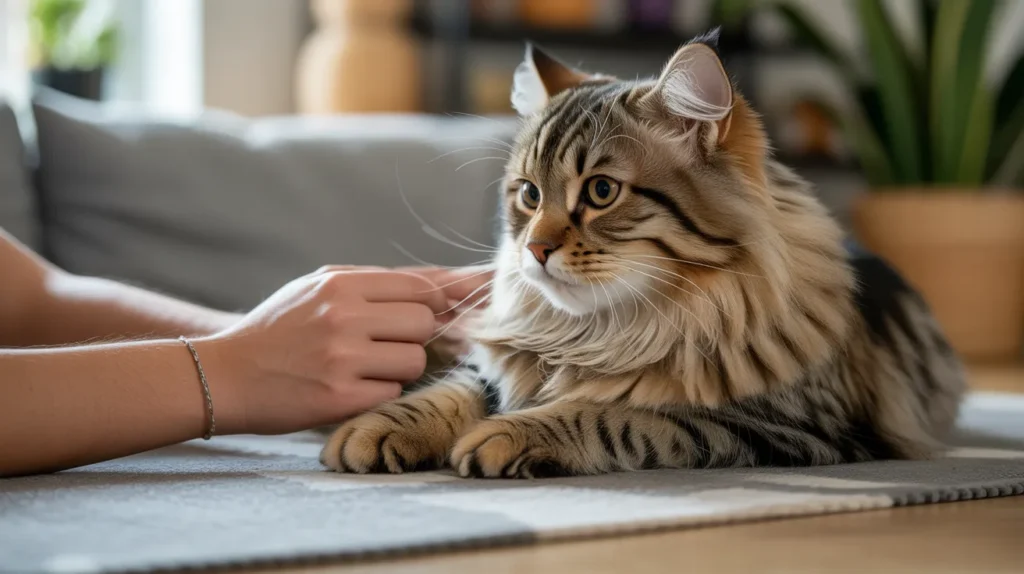
One of the biggest reasons people fall in love with this breed is the Siberian Forest Cat personality. These cats strike a rare balance between affection and independence.
From my experience, Siberians tend to:
- Form strong bonds with their owners
- Follow family members from room to room
- Enjoy being involved without being overly clingy
They are known for their emotional intelligence. If you’re having a stressful day, don’t be surprised if your Siberian quietly settles nearby, offering calm companionship.
Good with Children and Other Pets?
Yes—very much so. Siberians are patient and tolerant, making them a great choice for households with kids. They also coexist well with dogs and other cats, especially when introduced properly.
Appearance and the Siberian Forest Cat Coat
The Siberian Forest Cat coat is one of its most striking features. It’s thick, water-resistant, and made up of three layers: guard hair, awn hair, and a dense undercoat.
Coat Colors and Patterns
Siberians come in a wide range of colors and patterns, including tabby, solid, colorpoint, and bi-color. Their appearance often changes with the seasons—their winter coat is noticeably fuller than their summer one.
Cat Grooming Tips
Despite their long fur, grooming is more manageable than many people expect.
Siberian Forest Cat grooming tips include:
- Brushing 2–3 times per week
- Daily brushing during seasonal shedding
- Occasional baths if needed (many Siberians tolerate water well)
Their coat resists matting better than breeds like Persians, which is a huge plus for busy owners.
Read Also: Russian White Cat
How Big Do Siberian Forest Cats Get?
A common question new owners ask is: how big do Siberian Forest Cats get?
On average:
- Males weigh 15–20 pounds
- Females weigh 10–15 pounds
They grow slowly and may not reach full size until they are around five years old. Their size is balanced by strong muscles rather than excess fat, giving them an athletic build.
Lifespan and Health Issues
The typical Siberian Forest Cat lifespan and health issues profile is quite positive. Most live between 12 and 15 years, and many exceed that with good care.
Common Health Considerations
- Hypertrophic cardiomyopathy (HCM)
- Obesity if under-stimulated
- Dental issues (common in many cats)
Regular veterinary checkups and a balanced diet significantly reduce risks.
Best Diet for a Siberian Forest Cat
Choosing the best diet for a Siberian Forest Cat means focusing on high-quality protein. These cats are active and muscular, so they benefit from food rich in animal-based nutrients.
Diet tips:
- Prioritize meat as the first ingredient
- Avoid excessive fillers
- Include wet food for hydration
Some Siberians also do well on carefully balanced raw or fresh diets, though this should always be discussed with a vet.
Are Siberian Forest Cats Hypoallergenic?
Many people ask, are Siberian Forest Cats hypoallergenic? The honest answer: no cat is truly hypoallergenic.
However, Siberians tend to produce lower levels of the Fel d 1 protein, which triggers allergies. In real-world terms, this means some allergy sufferers tolerate them better than other breeds—but reactions vary by individual.
Real-Life Case Study: Living with a Siberian Forest Cat
One of my readers, Sarah, shared her experience adopting a Siberian named Milo. Sarah’s family includes two children and a mild cat allergy history, which made choosing a breed stressful.
After visiting a breeder and spending time with Milo, they noticed minimal allergic reactions. Three years later, Milo has become the heart of their home—playing gently with the kids, greeting visitors, and even “talking” with soft chirps when he wants attention.
What stood out most was Milo’s adaptability. When the family moved homes, he adjusted within days, showing curiosity instead of anxiety. This resilience is something I’ve consistently seen in the Siberian Cat breed.
Caring for a Siberian Forest Cat Long-Term
Proper Siberian Forest Cat care goes beyond feeding and grooming. Mental stimulation is equally important.
Provide:
- Interactive toys
- Climbing trees or shelves
- Daily play sessions
Siberians are intelligent and enjoy puzzle toys and games that challenge them mentally.
Final Thoughts: Is the Siberian Forest Cat Right for You?
The Siberian Forest Cat is an excellent choice for owners who want a loyal, intelligent, and affectionate companion without extreme maintenance demands. Their balanced temperament, natural health, and adaptability make them suitable for both families and individuals.
If you’re looking for a cat that feels like a true companion rather than just a pet, the Siberian Forest Cat might be exactly what you’re searching for.
If you enjoy learning about unique long-haired breeds, you may also like our detailed guide on the Fluffy Tuxedo Cat and its charming personality.
FAQs
How much do Siberian forest cats cost?
Siberian forest cats usually cost between $1,200 and $3,000, depending on breeder reputation, lineage, and location.
What is the difference between a Maine Coon and a Siberian forest cat?
Maine Coons are larger with longer bodies, while the Siberian forest cat is stockier with a denser coat and rounder features.
Are Siberian forest cats good pets?
Yes, They are good pets due to their affectionate nature, intelligence, and ability to adapt to family life.
What is the difference between a Siberian cat and a Siberian forest cat?
There is no difference—Siberian cat and Siberian forest cat refer to the same breed.

John is the birdwatcher extraordinaire. From chirping canaries to majestic macaws, he’s here to help you feather your nest with pet bird knowledge.