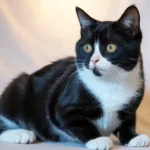
Some cats instantly catch your attention, and fluffy tuxedo cats are a perfect example. Their bold black-and-white coats, soft fur, and expressive faces make them stand out without trying too hard. But behind that elegant appearance is a cat with a personality that’s often just as memorable.
As someone who has lived with and observed many long-haired cats over the years, I’ve found tuxedo-patterned cats to be especially engaging companions. This guide looks beyond looks and focuses on what it’s really like to live with one—from temperament and grooming to health and daily care.
Content
What Makes These Cats So Distinctive?
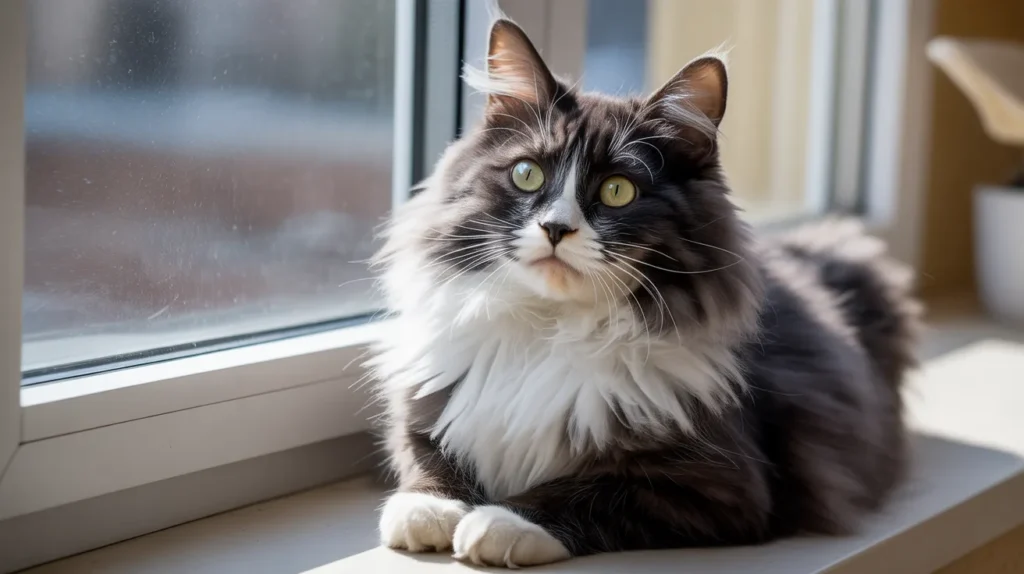
A tuxedo pattern isn’t a breed—it’s simply a coat style. Cats with this pattern appear to be wearing a formal suit, with dark fur contrasted by white on the chest, paws, or face. When that pattern appears on a cat with longer fur, the result is an especially striking appearance.
A long-haired tuxedo cat can come from many genetic backgrounds, including mixed domestic cats. Their fluffy coats tend to soften the contrast between colors, giving them a dramatic but elegant look that many people find irresistible.
Lifespan and General Health
The typical fluffy tuxedo cat lifespan falls between 12 and 18 years, though many live longer with proper care. Since tuxedo coloring isn’t linked to specific genetic conditions, health outcomes depend largely on breeding, diet, and veterinary care.
Common issues to watch for include:
- Hairballs
- Dental problems
- Weight gain in less active cats
Routine vet visits and interactive play can prevent many long-term issues.
Understanding Tuxedo Cat Personality
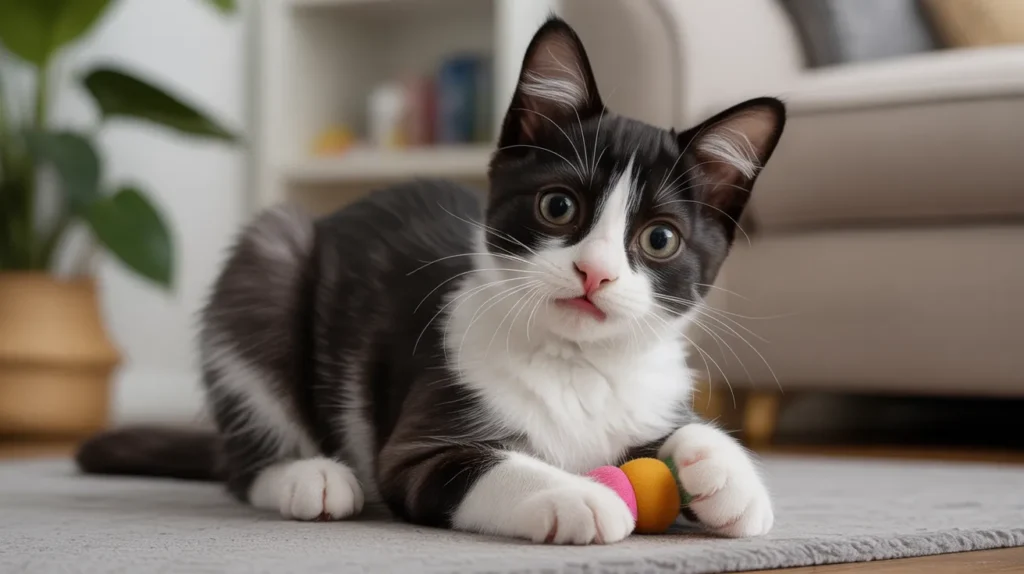
Ask experienced owners about tuxedo cat personality, and you’ll often hear similar descriptions. While personality varies from cat to cat, many share a few common traits.
These cats are often:
- Social and people-oriented
- Curious about their surroundings
- Confident without being aggressive
- Playful well into adulthood
In my experience, they tend to enjoy human company and are often found nearby rather than hiding away. They’re alert, observant, and usually quick to learn household routines.
Real-Life Experience: A Shelter Adoption Story
A friend of mine adopted a fluffy black and white cat from a shelter, not knowing much about tuxedo patterns at the time. The cat—named Milo—quickly became the center of attention in the household.
Milo was friendly with guests, vocal when he wanted attention, and surprisingly adaptable during a move to a new home. Grooming took some adjustment, but once a routine was established, it became a bonding activity rather than a chore.
This experience highlights how these cats often combine visual appeal with easygoing companionship, especially when adopted into a calm, attentive home.
Read Also: Orange Tabby Cat
Grooming Needs and Coat Care
Longer fur naturally requires more upkeep, which leads many owners to ask how to groom a fluffy tuxedo cat properly.
The key is consistency rather than intensity.
Practical Grooming Tips
- Brush several times a week to prevent tangles
- Use a wide-tooth comb for thicker areas
- Pay extra attention during seasonal shedding
- Keep nails trimmed and ears clean
- Do Fluffy Tuxedo Cats Need Daily Brushing?
This depends on coat thickness and lifestyle. Some cats benefit from daily brushing, while others do well with every-other-day care. During heavy shedding periods, daily brushing can reduce hairballs and loose fur around the home.
Shedding: What to Expect
Long-haired cats naturally shed more than short-haired ones, but shedding is manageable with the right routine. Diet plays a surprisingly important role here—cats fed balanced, high-quality food often have healthier coats and less excessive shedding.
Regular grooming and hydration make a noticeable difference over time.
Everyday Care and Living Environment
Caring for one of these cats doesn’t require special equipment or complicated routines. They thrive in environments where they feel included and mentally stimulated.
Helpful habits include:
- Daily playtime
- Access to windows or climbing areas
- Predictable feeding routines
- A clean, quiet resting space
Cats with this temperament often enjoy being part of daily life rather than left alone for long periods.
Are They Uncommon?
While tuxedo patterns themselves aren’t rare, a well-marked, fluffy black and white cat is less common than short-haired versions. That uniqueness often draws attention, especially in photos or social media posts, but it doesn’t affect temperament or care needs.
Final Thoughts
A fluffy tuxedo cat offers more than good looks. With the right balance of grooming, interaction, and routine care, these cats often become deeply bonded companions. They’re expressive, intelligent, and adaptable—qualities that make them a joy to live with.
If you’re considering adopting one, shelters are full of cats with stunning coats and equally wonderful personalities. With patience and care, a fluffy tuxedo cat can be a rewarding part of your life for many years.
Learn more about another elegant breed in our guide to the Russian White Cat and its unique personality traits.
FAQs
What breed is a fluffy tuxedo cat?
A fluffy tuxedo cat isn’t a breed. It’s a coat pattern seen in domestic longhair and several cat breeds.
How rare are fluffy tuxedo cats?
Fluffy tuxedo cats aren’t rare, but long-haired tuxedo patterns are less common than short-haired ones.
How much does a fluffy tuxedo cat cost?
Adoption costs range from $50–$200, while breeders may charge more depending on lineage and location.
What are those fluffy cats called?
They’re often called domestic longhair cats, with “tuxedo” describing their black-and-white coat pattern.

John is the birdwatcher extraordinaire. From chirping canaries to majestic macaws, he’s here to help you feather your nest with pet bird knowledge.