The German Shorthaired Pointer (GSP) is often referred to as the “Swiss Army Knife” of hunting dogs—and for good reason. Energetic, intelligent, and versatile, this breed excels in hunting, family life, and even competitive dog sports. If you’re considering bringing a GSP into your home, understanding their temperament, exercise needs, and training requirements is essential. In this article, we’ll explore everything you need to know about German Shorthaired Pointer characteristics, care, and daily life, along with real-life examples that highlight why this breed stands out.
Content
The Name and Origins
The German Shorthaired Pointer’s name reflects its heritage and purpose. Developed in Germany during the 19th century, this breed was designed to be an all-purpose hunting dog. The term “Pointer” refers to the dog’s ability to locate and point at game birds, while “Shorthaired” describes the breed’s sleek, water-resistant coat that makes it perfect for fieldwork in various climates.
GSPs were carefully bred from a mix of bloodhounds, German hunting dogs, and English pointers to create a dog that could hunt, retrieve, and adapt to different terrains. This versatility is what makes the breed not only a proficient hunting partner but also an excellent family companion.
Appearance: Athletic and Elegant
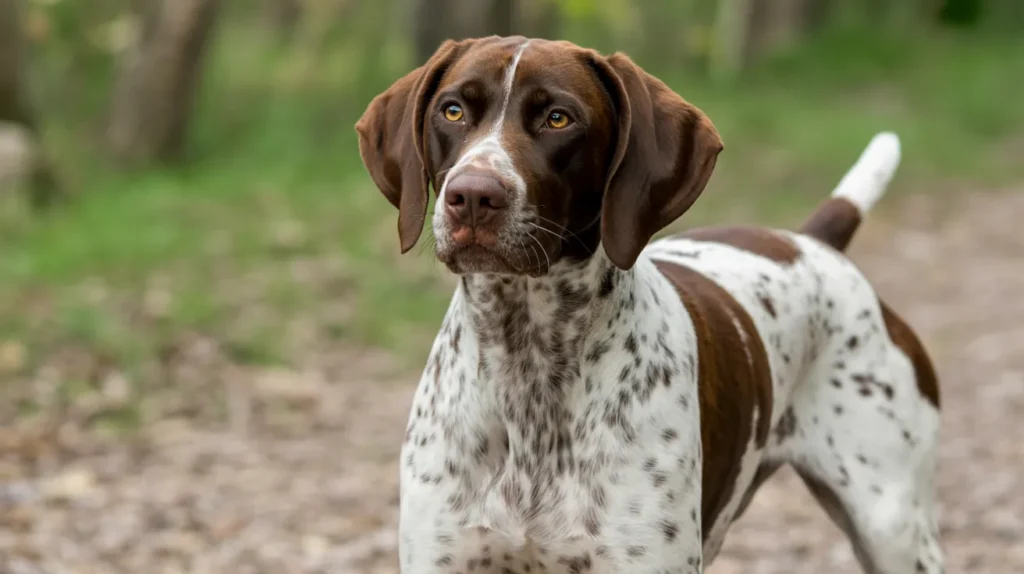
The German Shorthaired Pointer appearance is unmistakable. Medium to large in size, males typically weigh between 55–70 pounds, while females range from 45–60 pounds. Their athletic build, deep chest, and strong legs make them ideal for long days in the field.
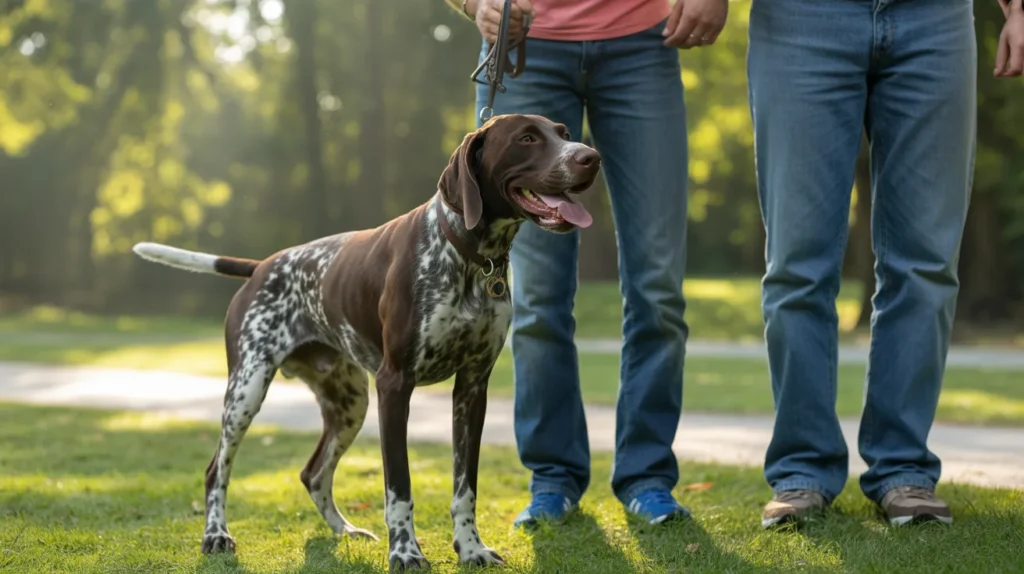
Their short coat is usually liver, liver and white, or occasionally black and white, and requires minimal grooming. One of the breed’s most appealing traits is its expressive face, intelligent eyes, and floppy ears that give them a friendly and approachable look. Many families fall in love with the GSP’s elegance and agility, which is matched only by their boundless energy.
Health and Lifespan
The GSP lifespan averages 12–14 years. Like all breeds, they can be prone to certain health issues, including hip dysplasia, eye disorders, and bloat. Regular veterinary check-ups, a balanced diet, and daily exercise can help maintain a long and healthy life.
Diet tips: High-quality protein and a diet tailored to active dogs are crucial. Many owners report that feeding a mix of dry kibble and occasional raw or cooked meat helps maintain energy and a shiny coat.
Temperament and Characteristics
The German Shorthaired Pointer temperament is a perfect mix of intelligence, loyalty, and high energy. These dogs are naturally friendly, social, and eager to please, making them ideal for active families. They thrive on companionship and rarely enjoy being left alone for long periods.
Some key GSP characteristics include:
High energy levels: Daily exercise is non-negotiable. GSPs need long walks, runs, or fieldwork to stay happy.
Intelligence and trainability: These dogs learn quickly and enjoy mental stimulation. Training sessions can be fun games, such as fetch or scent tracking.
Hunting instincts: Even as family pets, GSPs retain strong hunting instincts, often pointing or tracking small animals during walks.
Training Your German Shorthaired Pointer
Training a GSP requires patience, consistency, and creativity. How to train a German Shorthaired Pointer puppy effectively starts with early socialization and basic obedience training. Use positive reinforcement techniques, including treats, praise, and play.
Since GSPs are highly active, training sessions should also include plenty of movement. For instance:
Retrieve games to encourage natural hunting behavior
Scent tracking activities to stimulate their nose work
Agility exercises to keep them mentally and physically challenged
Remember, a bored GSP can become destructive, so structured training is essential. Real-life example: My neighbor, Lisa, struggled with her six-month-old GSP constantly chewing shoes and furniture. After incorporating daily 45-minute fetch sessions combined with scent-tracking games, the dog became calmer, happier, and more obedient within two weeks.
The German Shorthaired Pointer exercise needs are substantial. These dogs are perfect for active individuals or families who enjoy running, hiking, or hunting. On average, a GSP requires 1–2 hours of intense physical activity daily, in addition to mental stimulation.
For urban families, it’s important to provide alternatives to hunting or fieldwork:
Interactive toys
Puzzle feeders
Dog sports like agility, obedience, or flyball
Neglecting their activity requirements often leads to unwanted behaviors, such as digging, barking, or hyperactivity. If you’re wondering, “How much exercise does a German Shorthaired Pointer need daily?” the answer is quite a lot—they are not suited for sedentary lifestyles.
Real-Life Case Study: Bringing a GSP Home
I recently met a family, the Johnsons, who adopted a two-year-old German Shorthaired Pointer named Max. Max had been a hunting dog but was retired early. Initially, the Johnsons were concerned about managing his high energy and strong instincts.
By integrating structured exercise routines, obedience training, and mental stimulation, Max became a loving, calm, and obedient family member. He even participated in local agility competitions, showcasing how versatile and trainable GSPs can be beyond hunting. This case proves that with dedication and proper care, GSPs can seamlessly adapt to family life.
Grooming and Care Tips
One of the benefits of the GSP is its low-maintenance coat. However, do German Shorthaired Pointers shed a lot? Yes, they do shed moderately, but regular brushing can minimize loose hair. Bathing is only needed occasionally unless the dog gets particularly dirty during outdoor activities.
Additional tips:
Trim nails regularly
Check ears for infections, especially after swimming
Maintain dental hygiene with brushing or dental chews
Conclusion
The German Shorthaired Pointer is a remarkable blend of intelligence, athleticism, and loyalty. Whether you are a hunter seeking a reliable field companion or an active family looking for a playful, loving dog, the GSP can fit the bill—provided you meet their exercise and mental stimulation needs.
Their friendly demeanor, versatility, and eagerness to please make them stand out from other breeds. By understanding their temperament, training needs, and care requirements, you can ensure a happy, healthy life for your GSP—and countless memorable moments along the way.
For those interested in large and powerful breeds, learn more about the Russian Bear Dog here.
FAQs
What are the negatives of German Shorthaired Pointers?
GSPs can be high-energy, stubborn at times, and require daily exercise and mental stimulation.
Can GSP be aggressive?
Generally friendly, GSPs are rarely aggressive if properly socialized from a young age.
Do German Shorthaired Pointers bark a lot?
GSPs may bark to alert or express excitement but are not excessive barkers with proper training.
How much exercise does a German Shorthaired Pointer need?
GSPs need 1–2 hours of daily physical activity and mental stimulation to stay healthy and happy.