The Russian Bear Dog, also known as the Caucasian Ovcharka, is one of the most formidable and majestic dog breeds in the world. With its imposing size, thick coat, and protective instincts, it has earned a reputation as a loyal guardian and companion. But beyond the intimidating appearance lies a breed full of personality, intelligence, and devotion. In this article, we’ll explore everything you need to know about the Russian Bear Dog, from temperament to care, so you can understand whether this giant breed is the right fit for your family.
Content
History and Origin
The Russian Bear Dog has a long and fascinating history. Originating in the Caucasus Mountains, this breed was primarily used by shepherds to protect livestock from predators like wolves and bears. Its name, “Bear Dog,” is a nod to both its powerful appearance and the protective nature that made it an essential part of rural communities.
Historically, these dogs lived in harsh conditions and developed remarkable endurance and independence. This makes them highly protective and alert, traits that are still evident in the breed today. If you are considering a Russian Bear Dog, it’s important to understand that these natural instincts require proper socialization and training from an early age.
Physical Traits and Size
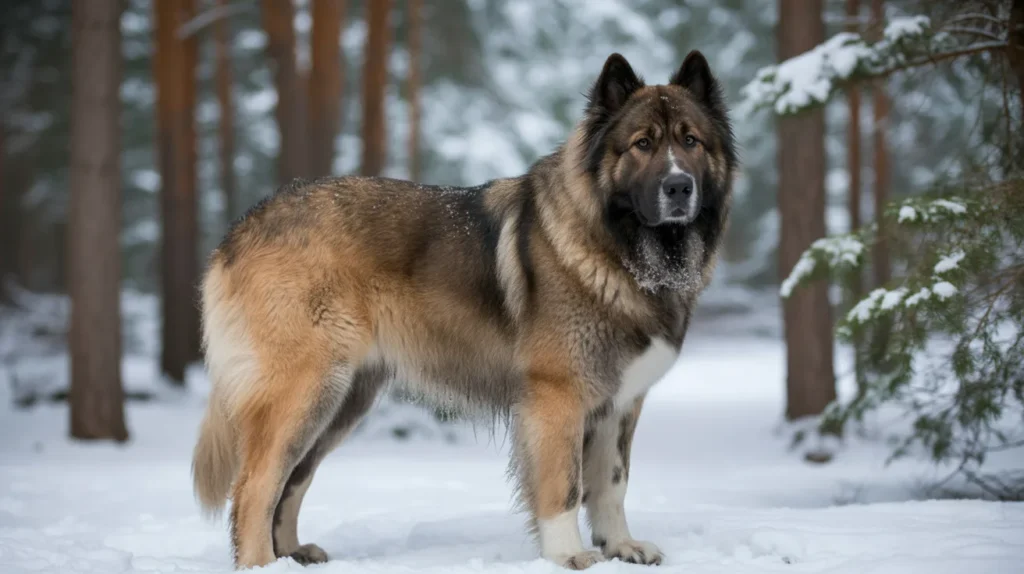
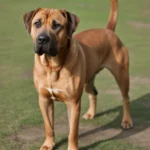
One of the most striking features of the Russian Bear Dog is its size. Adult males can weigh between 110–220 pounds, while females typically weigh slightly less. They stand 25–30 inches tall at the shoulder, making them one of the largest dog breeds in the world.
Their coat is thick and dense, designed to withstand the cold mountain climate. Colors range from gray, fawn, and tan to combinations of white and black, providing natural camouflage in the wild. This breed’s muscular build and powerful frame make it not only visually impressive but also highly capable as a guardian.
Temperament and Personality
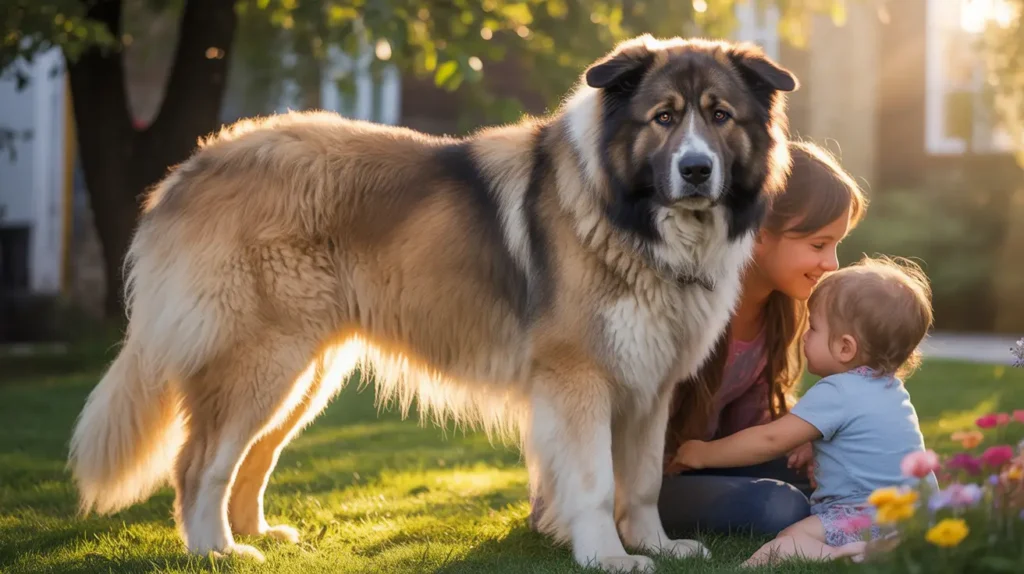
Despite their intimidating appearance, Russian Bear Dogs are known for their loyalty and devotion to their families. They are intelligent, confident, and alert, making them excellent watchdogs. However, they are also independent thinkers, which can make training a challenge for inexperienced owners.
This breed tends to be calm and gentle with family members but can be wary of strangers. Early socialization is crucial to ensure a balanced personality. Owners often describe their Russian Bear Dogs as “quiet giants,” displaying patience and affection once trust is established.
Exercise and Training Needs
A Russian Bear Dog requires regular exercise to stay healthy, but they are not overly hyperactive. Long walks, play sessions, and mentally stimulating activities are sufficient for this breed. Because of their size and strength, consistent training is essential, especially for obedience and socialization.
Training should be firm but positive, using rewards and clear commands. Harsh methods can lead to stubbornness or fear. Many owners find that starting training at a young age, combined with exposure to different people and environments, produces the best results.
Due to their size, Russian Bear Dogs have specific dietary needs. A high-quality, protein-rich diet helps maintain muscle mass and energy levels. It’s important to avoid overfeeding, as obesity can exacerbate joint and hip problems.
Like many giant breeds, they are prone to certain health issues, including:
Hip Dysplasia
Elbow Dysplasia
Heart Problems
Bloat (Gastric Dilatation-Volvulus)
Regular veterinary check-ups, joint supplements, and a proper exercise routine can help mitigate these risks. Owners should also monitor weight and activity levels, adjusting nutrition as the dog ages.
Grooming Requirements
The Russian Bear Dog’s thick coat requires moderate grooming. Weekly brushing removes loose hair and prevents matting. During shedding season, daily brushing may be necessary. Bathing should be occasional unless the dog gets dirty, as overbathing can strip natural oils from the coat.
Other grooming tasks include nail trimming, ear cleaning, and dental care. Keeping these routine practices consistent ensures a healthy and happy dog.
Living Conditions
While this breed is adaptable, it thrives best in homes with large outdoor spaces. Russian Bear Dogs are not suited for apartment living due to their size and need for movement. They prefer cooler climates and may struggle in extreme heat.
Families considering this breed should also have secure fencing, as their protective instincts may prompt them to patrol or investigate unfamiliar activity near the property.
Real-Life Case Study: Max, the Russian Bear Dog
Max is a 4-year-old Russian Bear Dog living with the Ivanov family in rural Pennsylvania. When the family first adopted him, they faced challenges with his protective behavior around strangers. Through consistent training, early socialization, and patient guidance, Max transformed into a loving family member who is both alert and affectionate.
Today, Max enjoys daily walks, interacts safely with children, and even participates in basic obedience competitions. His story demonstrates that with the right environment and care, the Russian Bear Dog can thrive as both a guardian and a companion.
Potential Challenges and Tips
While Russian Bear Dogs are loyal and protective, potential owners should be aware of challenges:
They can be territorial and wary of strangers.
Training requires consistency and patience.
They need space and mental stimulation to avoid boredom-related behaviors.
Tips for prospective owners include:
Start training early
Socialize with people and pets
Maintain a balanced diet and exercise routine
Regularly monitor health and grooming
Conclusion
The Russian Bear Dog is a majestic and loyal breed, perfect for experienced dog owners who can provide training, care, and space. Their protective instincts, combined with calm and gentle family behavior, make them unique companions.
By understanding their history, temperament, and specific care needs, owners can enjoy a strong bond with one of the most impressive breeds in the world. Whether you are drawn to their guardian abilities or their loyal companionship, the Russian Bear Dog offers a rewarding experience for those ready to embrace this gentle giant.
Learn more about the Blue Cane Corso and discover its unique traits, personality, and care tips.
FAQs
Is a Russian Bear Dog a good pet?
Yes, with proper training and socialization, a Russian Bear Dog makes a loyal and protective family pet.
What breed is a Russian Bear Dog?
They also called the Caucasian Ovcharka, is a giant guardian breed from the Caucasus Mountains.
How big can a Russian Bear Dog get?
It can weigh 110–220 lbs and stand 25–30 inches tall, making them one of the largest dog breeds.
Are Russian Bear Dogs good with kids?
Yes, they are gentle and protective with family children but require supervision and proper socialization.